
Innovative Approach to Emission Reduction: Slower Gas Pumps
As the world pushes towards faster and more efficient electric vehicle (EV) charging, an unconventional proposal suggests a different tactic to curb emissions: slowing down gas pumps. While automakers and tech companies invest heavily in high-capacity battery research, could reducing fuel dispensing speeds offer a more straightforward solution?
The Environmental Protection Agency (EPA) set a precedent for this idea in 1993 by imposing a maximum fuel dispensing rate of 10 gallons per minute (gpm) to minimize evaporative emissions and enhance refueling safety. This regulation, known as “61 FR 33033,” took effect in 1996. Now, nearly three decades later, there’s a call to revisit this rule with an aim to further decrease emissions.
The Proposal
Instead of solely focusing on expanding EV charging infrastructure, which may never fully satisfy skeptics, the suggestion is to target gas pumps in environmentally progressive states. By lowering the maximum pumping speed to 3 gpm, refueling a large vehicle like the Ford F-150 could take up to twelve minutes, compared to the current four minutes. Including wait times, this could extend the total refueling time to 20-30 minutes.
Benefiting All Stakeholders
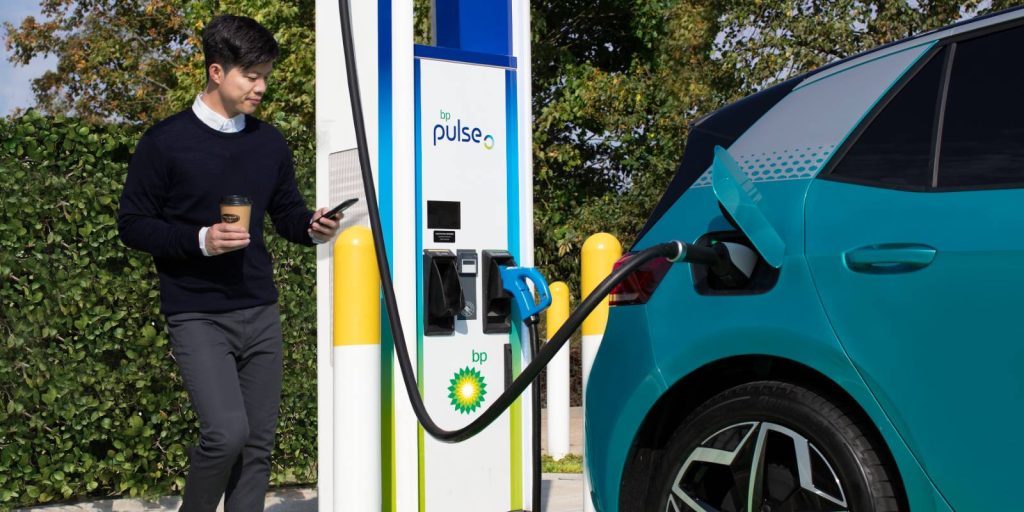
Oil company BP noted in 2022 that EV chargers were nearing profitability on par with gas pumps. By 2025, BP had committed significant investment into EV infrastructure, anticipating strong returns. “If I think about a tank of fuel versus a fast charge, we are nearing a place where the business fundamentals on the fast charge are better than they are on the (fossil) fuel,” said BP’s Emma Delaney to Reuters.
The extended refueling time at gas stations can increase sales of high-margin items. Longer stays mean more opportunities for customers to purchase snacks, beverages, or other goods, which account for over 61% of gas station profits despite being a minor part of total revenue.
This strategy could potentially reduce healthcare and environmental costs associated with fossil fuels, which are substantial burdens on the economy. While traditional fuel enthusiasts may need to wait longer, others may find switching to EVs more appealing due to the convenience and cost-effectiveness of home charging.
What are your thoughts on this proposal to balance fuel and charging times? Could it feasibly support emission reductions? Share your insights and suggestions in the comments!
Original content from Electrek; featured image by Wikimedia user Coolcaesar, under the Creative Commons Attribution-Share Alike 3.0 Unported license.
Original Story at electrek.co