Challenges and Opportunities in Building Renewable Energy Projects Across America
Renewable energy projects, such as wind and solar farms, have been hailed as crucial for economic development and clean energy production. However, recent findings reveal a growing resistance to their construction across the United States, despite their potential to revitalize local economies.
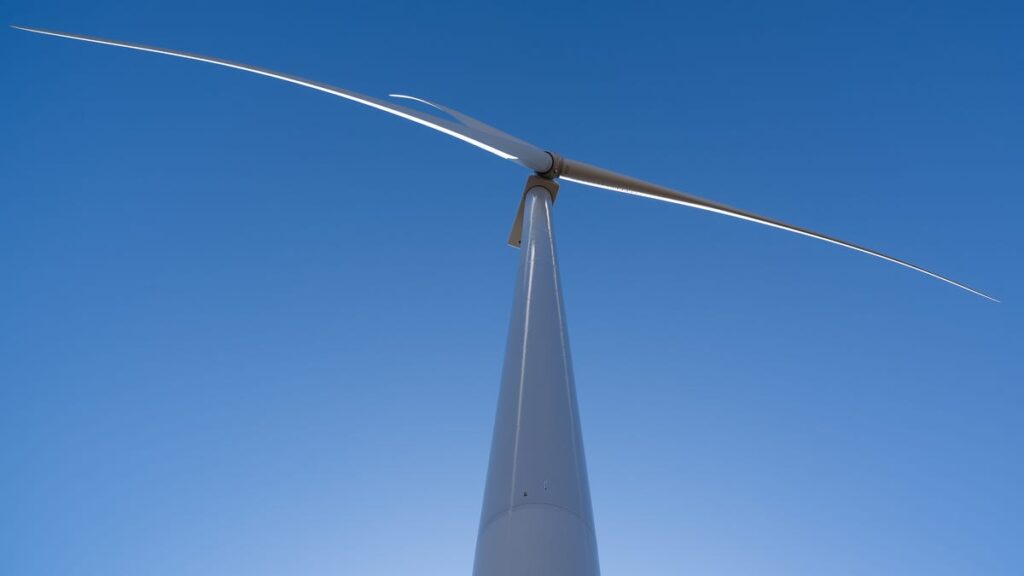
In Ford County, Kansas, the installation of wind turbines since 2006 has transformed the area. Roads have been improved, schools rebuilt, and new housing developed. Deloyce McKee, a longtime resident and farmer, views the turbines as an additional crop that doesn’t detract from the land’s value. “We just added another crop,” McKee noted. The region’s wind farms now contribute significantly to local businesses and hospitality, with increased patronage at eateries like the Windmill Restaurant and the Spearville Turbine Bar & Grill.
The economic benefits of wind and solar farms are evident in various regions. The construction of the Pioneer Creek Wind project is set to generate substantial revenue for landowners and local governments over its life span. According to county commissioner Shawn Tasset, the project will bring in $36 million in landowner payments and $84 million in tax revenue.
Despite these benefits, the USA TODAY investigation highlights that more U.S. counties are imposing restrictions on large-scale renewable energy projects. This growing opposition is visible, with 24% of counties now limiting new wind and solar developments, a significant increase from previous years.
Former President Donald Trump has been a vocal critic, labeling wind farms as “ugly” and advocating for a return to traditional energy sources like coal and oil. His administration has made the process of approving new renewable projects more arduous, impacting their development on both federal and private lands.
Amid escalating energy demands, with electricity consumption projected to increase by up to 50% by 2040, the rapid deployment of new energy sources is critical. Yet, regulatory hurdles and public opposition are complicating this transition.
Cost-effectiveness is another argument in favor of renewables. Wind and solar power have been the most economical energy sources for new projects over the past decade, according to Lazard, a global financial services firm. However, construction timelines for alternative energy sources such as natural gas and nuclear are significantly longer.
John Szoka, CEO of the Conservative Energy Network, stresses the need for rapid energy expansion. “We need more power and we need it fast,” he stated, underscoring the necessity of harnessing solar and wind resources.
Renewable energy projects have brought considerable economic growth to rural areas. In Illinois, wind farms have led to nearly $1 billion in school construction projects. Dane Simpson, of the Great Plains Laborers-Employers Cooperation and Education Trust, observed that wind farm developments often coincide with new school constructions.
Various counties have experienced notable benefits from renewable energy projects. For instance, Paulding County, Ohio, utilized funds from wind projects to enhance public services, including libraries and parks. Similarly, the world’s largest solar and battery storage system is under development in California’s Fresno County, a region historically reliant on agriculture.
While renewable energy sources initially gained popularity in rural areas due to their economic potential, increasing opposition is now evident. Some residents view wind and solar installations as “visual pollution” or disruptors of the local aesthetic.
Political dynamics also play a role in shaping public opinion on renewable energy. Republican leadership has generally opposed renewable projects, while some Democrats voice concerns about environmental impacts. Despite this, renewable energy remains a critical component of the national energy strategy.
In Juab County, Utah, where conservative voters predominantly supported Trump, solar projects like the AES Clover Creek facility have been embraced for their economic contributions to local schools and infrastructure. Superintendent Kodey Hughes emphasized the project’s transformation of underutilized land into a valuable resource.
The debate over renewable energy continues, with stakeholders weighing economic benefits against aesthetic and environmental concerns. As the U.S. navigates its energy future, the role of wind and solar power remains a contentious but essential topic.
Original Story at www.usatoday.com