Virginia’s Path Toward Energy Affordability and Clean Power
In Virginia, the conversation around energy is shifting from political rhetoric to tangible action. The Spanberger administration, in collaboration with the General Assembly, is prioritizing the reduction of energy costs as part of their broader agenda to improve affordability for Virginians by 2026.
Addressing the state’s energy bills is a crucial aspect of this plan, especially in light of past policies that have hindered progress.
The previous Youngkin administration, alongside the Trump administration, has been criticized for obstructing clean energy initiatives. Under their governance, energy bills increased by 13%, significantly outpacing normal inflation rates.
This rise in costs is attributed to policies that favored fossil fuels, kept outdated power plants operational, and encouraged the export of energy resources. These measures led to canceled projects, job losses, and increased energy costs for Virginia residents.
Adding to the strain, the growth of data centers driven by Big Tech and the artificial intelligence industry has further burdened the energy grid, passing infrastructure costs onto consumers. The impact is a clear contrast between rising bills for residents and benefits for large corporations and the fossil fuel sector.
However, a shift towards clean, renewable energy presents a promising alternative. These energy sources are not only sustainable but also economically viable, offering a solution to the state’s energy challenges.
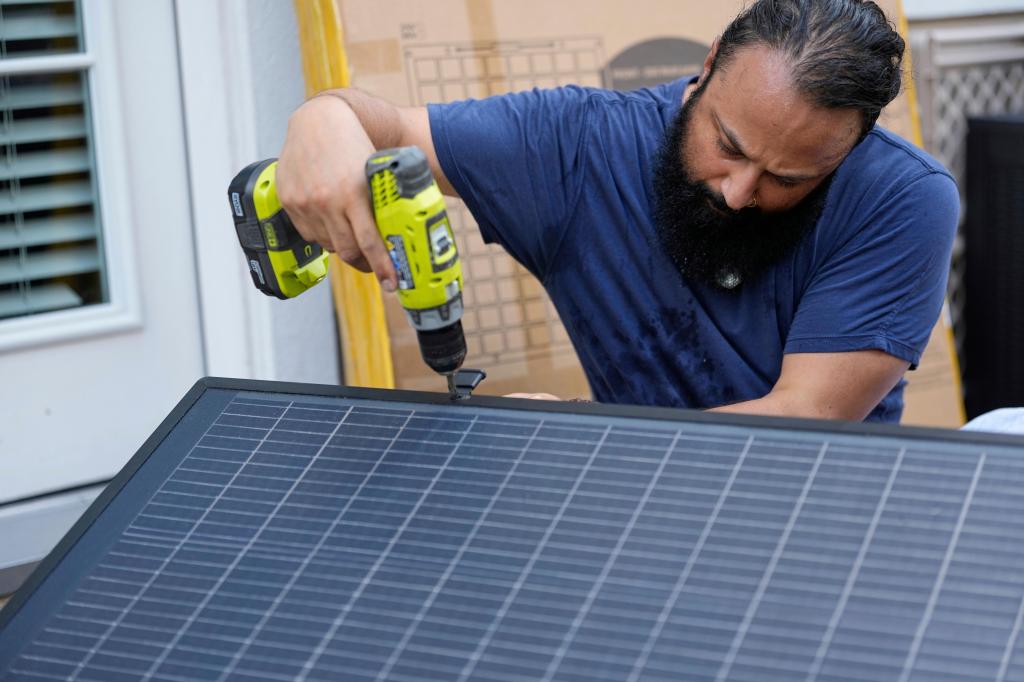
Virginia lawmakers, alongside the Spanberger administration, are actively pursuing policies to enhance the state’s clean energy infrastructure. Initiatives include legislation aimed at simplifying the deployment of solar energy across various sites, thus encouraging competition and reducing costs.
Efforts are also underway to rejoin the Regional Greenhouse Gas Initiative to invest in energy efficiency and environmental protection, holding polluters accountable through emission pricing.
The move away from the initiative by a former governor resulted in increased energy expenses and environmental degradation, highlighting the need for this policy shift.
Moreover, state lawmakers are working to ensure that the energy demands of data centers are met without unfairly burdening taxpayers. Proposed legislation includes state-level regulatory oversight to assess the impact of these facilities on energy costs and reliability, ensuring that associated expenses are not transferred to Virginia residents.
Tackling the affordability crisis in Virginia’s energy sector requires sustained commitment and political resolve. By initiating these legislative measures, state leaders are signaling their dedication to steering Virginia toward a future of clean and affordable energy.
Michael Town is the executive director of the Virginia League of Conservation Voters, located in Richmond. Email him at info@valcv.org.
Original Story at www.pilotonline.com