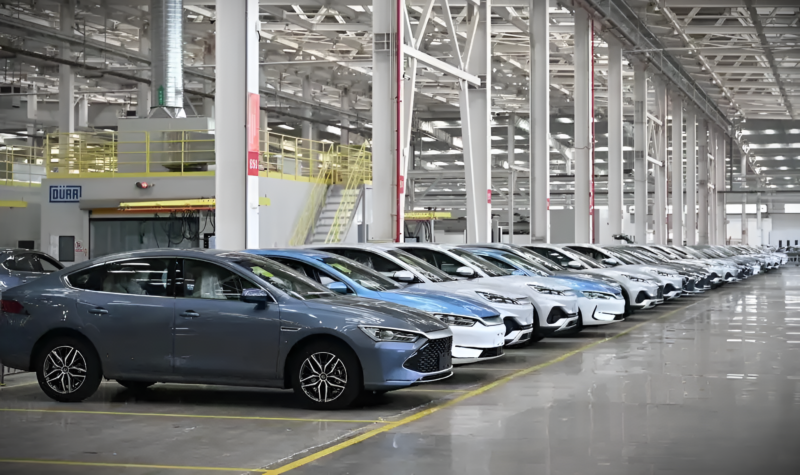
China Sets New Energy Standards for Electric Vehicles, Effective 2026
In a move to enhance energy efficiency and set a global precedent, China will enforce a mandatory national standard for the energy consumption of pure-electric passenger vehicles starting January 1, 2026. Reported by IT Home via China Central Television, this regulation marks the world’s first compulsory standard for electric vehicle energy usage.
Named “Energy Consumption Limits for Electric Vehicles Part 1 Passenger Cars,” the regulation introduces binding thresholds for electricity consumption based on vehicle weights and technical features. The limits, developed after evaluating current consumption patterns, potential energy-saving technologies, and cost factors, aim to ensure that future models align with these efficiency standards.
Compared to the previous voluntary guidelines, the new standard tightens energy consumption criteria by about 11 percent. It also incorporates varied indicators to accommodate different vehicle usage and technological solutions, promoting innovative product development and efficiency research.
Manufacturers will need to upgrade new vehicle models to comply with the standard. For a typical two-tonne electric passenger car, the regulation stipulates a maximum electricity consumption of 15.1 kilowatt-hours per 100 kilometers. Technical advancements are expected to boost the average driving range by approximately 7 percent without altering battery capacity.
The regulation exclusively targets pure electric passenger vehicles, excluding plug-in hybrids and extended-range models. Efficiency improvements are attributed to system-level enhancements rather than increased battery capacity.
Policy measures will directly tie the new energy consumption standard to financial incentives. Updated technical requirements from the Ministry of Industry and Information Technology, Ministry of Finance, and State Taxation Administration will determine eligibility for purchase tax exemptions in 2026 and 2027. Compliance with the new standard is essential for maintaining tax exemption status, aligning fiscal policy with regulatory objectives.
Vehicles listed in the purchase tax exemption catalogue by the end of 2025 that meet the new criteria will transition to the 2026 catalogue, while non-compliant models may be excluded. The policy also raises technical standards for plug-in hybrids and extended-range vehicles, including stricter pure electric range requirements for incentives.
During a symposium in July, the Ministry of Industry and Information Technology, National Development and Reform Commission, and State Administration for Market Regulation highlighted the urgency of implementing these standards and enhancing battery recycling efforts. The mandatory energy consumption standard will be enforced nationwide starting January 1, 2026.
For leading automakers like BYD and Geely, the regulation will formalize efficiency benchmarks that many of their recent models already achieve. Compliant vehicles will continue production with minimal changes, whereas non-compliant models may face technical upgrades or production discontinuation to retain purchase tax exemption benefits. The standard predominantly impacts heavier vehicles, encouraging automakers to focus on energy efficiency to remain competitive.
Original Story at carnewschina.com