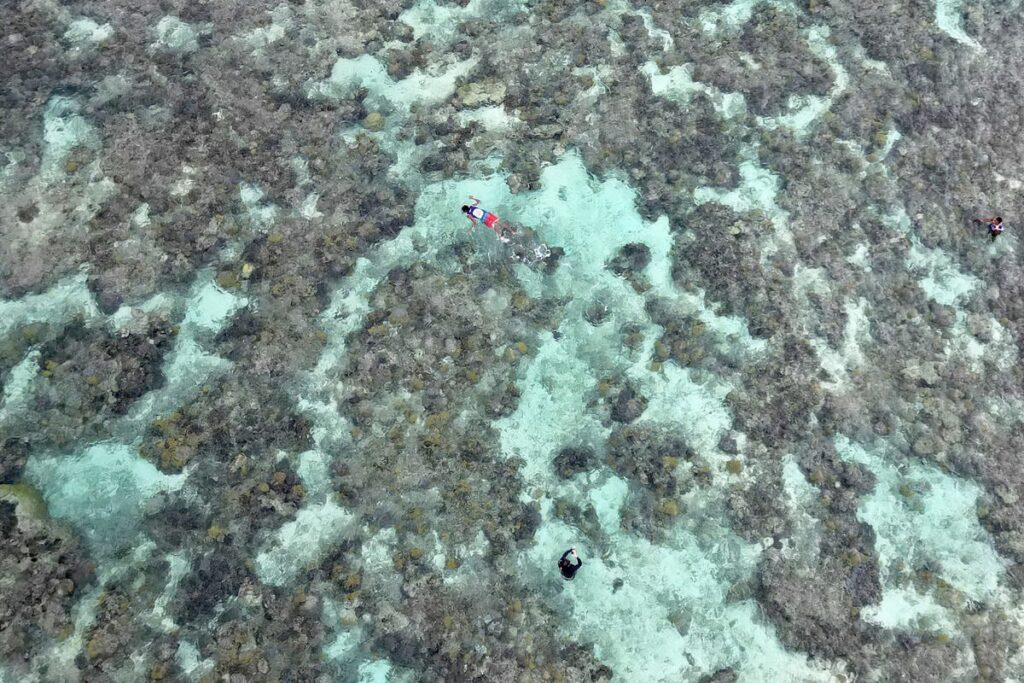
Rising Ocean Temperatures Threaten Coral Reefs Amid Super El Niño
The world’s coral reefs face a dire threat as ocean temperatures reach unprecedented levels due to a powerful El Niño event. This alarming situation has been highlighted by David Obura, chair of the UN’s expert nature panel, who expressed grave concerns over the survival of vulnerable coral species.
David Obura, a marine scientist, explained that the current El Niño pattern is likely to push coral species closer to extinction. Corals are particularly sensitive to heat, and their vulnerability is exacerbated by climate change, which is raising global ocean temperatures and making bleaching events more frequent and severe.
Obura, who is also a Kenyan reef expert, warned that this year’s El Niño introduces “a terrifying level of additional risk.” According to research, the warming phase of this natural climate cycle temporarily increases global temperatures and alters weather patterns, leading to more extreme weather events.
Forecasts predict this episode could be the most intense on record, with Pacific sea surface temperatures already reaching peak levels months ahead of schedule. Obura expressed deep concern, recalling the devastating effects of the 1997/98 super El Niño.
“That this coming event is worse than that, after three intervening global bleaching events … is a terrifying reality,” he said.
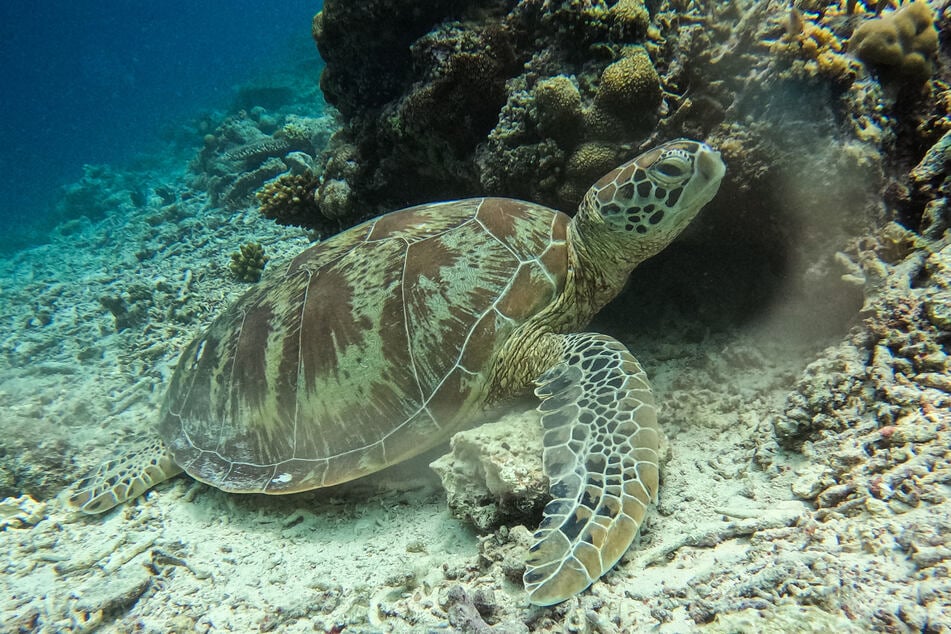
Obura spearheaded a significant reassessment of coral health, published in Nature, which revealed a drastic decline in reef-building species since the last global census in 2008. The study highlighted that nearly half of coral species faced elevated extinction risks by 2020, driven primarily by climate change.
This comprehensive review analyzed numerous species on the IUCN’s “red list,” including iconic staghorn and table corals, known for their complex reef structures. The findings indicate worsening conditions for corals, exacerbated by accelerated warming and persistent global stressors.
The situation has only deteriorated, with ocean temperatures reaching record highs and the most severe coral bleaching event between 2023 and 2025 causing widespread reef damage. Obura cautioned that the upcoming El Niño could push the proportion of species at high risk of extinction beyond 50 percent.
Last year, scientists highlighted that warm-water coral reefs might have reached a tipping point as oceans heat to unsustainable levels. The Nature study emphasized that projected temperature rises and other pressures will determine when and where conditions become untenable for corals.
“When they hit their threshold, the collapse of reefs in that region could be precipitous, and we don’t know if that is five, 15, or 30 years into the future, or maybe this year with the super El Niño ramping up?” said Obura.
Original Story at www.tag24.com