With the looming specter of a formidable El Nino event, the sudden absence of anchovies along South America’s coast is an unexpected indicator of significant climatic shifts. This natural phenomenon, which is shaping up to be one of the most intense in recent history, is drawing global attention.
Anchovies, vital to the marine ecosystem, thrive in the cold, nutrient-rich waters off the Pacific coast. However, this year, the expected fish shoals have not materialized, disrupting the fishing industries of Peru and Chile. The culprit? An El Nino event that occurs when Pacific trade winds weaken, allowing warm currents to replace the cooler waters, driving the anchovies away.
Named “El Nino de Navidad” by Peruvian fishermen for its typical Christmas-time arrival, this weather pattern extends its impact far beyond South American shores, causing significant climatic disturbances worldwide. This year’s El Nino, exacerbated by climate change, is raising alarms among scientists and policymakers.
Stephanie Roe, lead climate scientist with the World Wildlife Fund (WWF), emphasized the gravity of the situation in a statement to Al Jazeera: “El Nino can bring devastating climate extremes on its own, but it’s unfolding today on a much warmer planet, increasing the likelihood that heat, drought, floods and fires will push communities and ecosystems beyond anything they have experienced before.”
Drought and floods
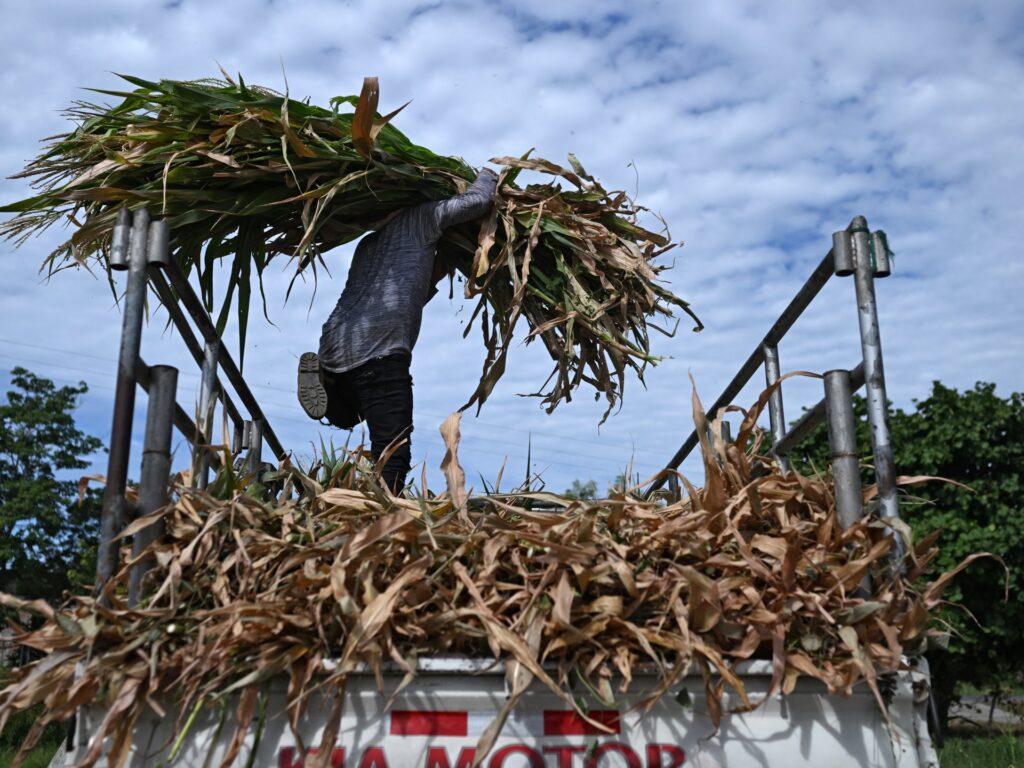
As this year’s El Nino progresses, it is synchronizing with a massive marine heatwave, compounding the effects of global warming. Its repercussions will ripple through agriculture and biodiversity, affecting the livelihoods of farmers and fishermen, and the global food supply chain.
Monitoring efforts are underway, utilizing satellite technology and a network of ocean buoys that provide real-time data on ocean temperatures, currents, and winds. These observations suggest that the 2026-27 El Nino could surpass previous records in intensity.
The Met Office in the UK has projected temperature increases of up to 3 degrees Celsius in the equatorial Pacific by late 2026 or early 2027. Adam Scaife, the Met Office’s head of long-range forecasting, told Al Jazeera: “We should be clear this is an unprecedented event. I have never seen an El Nino signal this intense in our forecasts.”
What are the implications?
El Nino’s amplified effects due to global warming pose serious threats globally. UN Secretary-General Antonio Guterres likened it to “pouring fuel on the fire of a warming world.” Droughts and floods are expected to affect billions, with regions like Southeast Asia and South America bearing the brunt of its impact.
Celeste Saulo, Secretary-General of the World Meteorological Organization (WMO), called for exceptional measures: “Never before in the 50-year history of the WMO have we launched such a major mobilisation delivering forecasts and services to save lives and livelihoods.”
Uneven effects
While El Nino can decrease Atlantic hurricanes and provide much-needed rain to parched areas, it can also disrupt agricultural patterns. Morgan Stanley notes potential benefits in some South American regions, yet warns of irregular rainfall and delayed planting elsewhere.
Economists at Citigroup predict that the economic fallout from a super El Nino could reach $7 trillion over five years, impacting GDP growth globally. Julia Rizzo of Morgan Stanley cautioned: “Most El Nino years are a nuisance, but this one has the makings of a shock, as weather patterns shift across key growing regions.”
The World Food Programme has highlighted the compounded challenges of El Nino and systemic issues in global food systems, projecting an increase in acute hunger to 274 million people by 2027. Health risks, including disease outbreaks, are also a concern, particularly in vulnerable regions.
Experts are particularly worried about the potential rise in global temperatures. Met Office climate scientist Nick Dunstone explained, “During large El Nino events, significantly more heat is released from the ocean to the atmosphere, leading to an increase in global average temperature.” The year 2027 is likely to surpass 2024 as the hottest year recorded.
Original Story at www.aljazeera.com