The global pursuit of clean energy has taken a complex turn. While countries continue to strive for net-zero emissions, the ever-growing demand for energy—fueled by rapid advancements in artificial intelligence and the expansion of data centers—has intensified the quest for sustainable power sources. This increased demand has prompted nations and corporations to explore more reliable and alternative energy solutions.
China has positioned itself as a leader in this evolving energy landscape. Its cost-effective solar panels, pivotal wind turbines, and dominance in the battery market have made it a cornerstone of renewable energy worldwide. In contrast, the United States has doubled down on fossil fuels, despite global shifts towards cleaner alternatives.
The Geopolitical Energy Shift
The increasing need for electricity is reshaping the global energy transition, with developing nations electrifying their infrastructure and electric vehicles and data centers proliferating. Over the next quarter-century, global electricity demand is expected to rise by 75%, making clean energy not only a climate necessity but also a key driver of economic and technological progress.
China’s strategic investment in clean technology has bolstered its position. By removing import taxes on crucial clean energy components, mandating domestic sourcing, and funding local manufacturers and research, China has become the foremost supplier of intermittent clean energy. In 2024 alone, Chinese firms exported $28 billion in solar panels, evidencing their substantial impact on global clean energy infrastructure. These policies have also secured China’s dominance over critical mineral supply chains, providing Beijing with significant global leverage.
Although the United States maintains a strong presence in oil and gas exports, its influence is waning as the world embraces cheaper and more resilient alternative energy sources. Countries like the Philippines and Saudi Arabia have integrated clean energy into their development plans, and tech giants such as Google and Meta are committing to renewable energy for their operations.
Alternative Approaches for the U.S.
The United States faces a strategic challenge in countering China’s clean energy lead. A direct competition approach, such as subsidizing solar panels and electric vehicles, as seen in the Biden administration’s 2022 Inflation Reduction Act, faces obstacles due to China’s competitive pricing. Alternatively, the Trump administration’s strategy to expand fossil fuel production is unlikely to succeed in the long term, as the future energy landscape will prioritize renewables and nuclear energy.
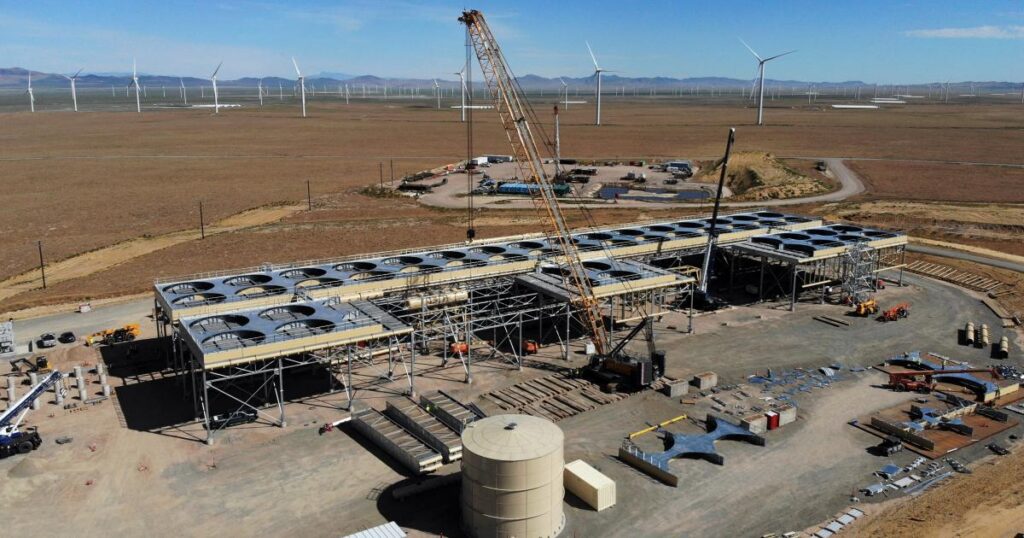
A more viable path for the U.S. involves investing in geothermal and nuclear power. These firm energy sources, unlike solar and wind, are not weather-dependent and can provide continuous power. Geothermal energy, derived from subsurface heat, offers a reliable energy grid solution, with recent technological advancements making it more accessible. The U.S. Department of Energy’s FORGE project has played a crucial role in driving down geothermal costs.
Nuclear power also presents an opportunity for the U.S., particularly through small modular reactors (SMRs). These reactors, cheaper and quicker to build than traditional ones, could revolutionize nuclear energy deployment. Although the U.S. has fewer operational nuclear plants under construction compared to China, it leads in SMR development, with numerous American startups advancing in this sector.
Collaborative Strategies for U.S. Energy Leadership
For the United States to secure its place in the global energy market, international cooperation is essential. Building a buyers’ consortium among utility companies, tech firms, and interested countries could enhance demand for geothermal and nuclear technologies, leading to cost reductions and increased U.S. influence.
Additionally, addressing nuclear supply chain vulnerabilities and securing long-term procurement commitments from allies for SMRs could mitigate reliance on Russian uranium enrichment. Engaging multinational corporations like Amazon, Google, and Meta in these efforts could further bolster U.S. clean energy initiatives.
Streamlining international regulatory frameworks for nuclear and geothermal energy exports is another critical step. The U.S. can work with global organizations to create simplified regulatory processes, facilitating smoother transactions with foreign markets.
Finally, collaboration with U.S. tech companies, which are major consumers of clean energy, could strengthen American geothermal and nuclear sectors. Initiatives like the Stargate Project, which fosters international agreements for AI infrastructure powered by clean energy, offer a blueprint for such partnerships.
As the world’s energy system evolves, the United States has the resources and partnerships needed to assert its leadership. Whether it chooses to capitalize on these opportunities remains to be seen.
Original Story at www.foreignaffairs.com