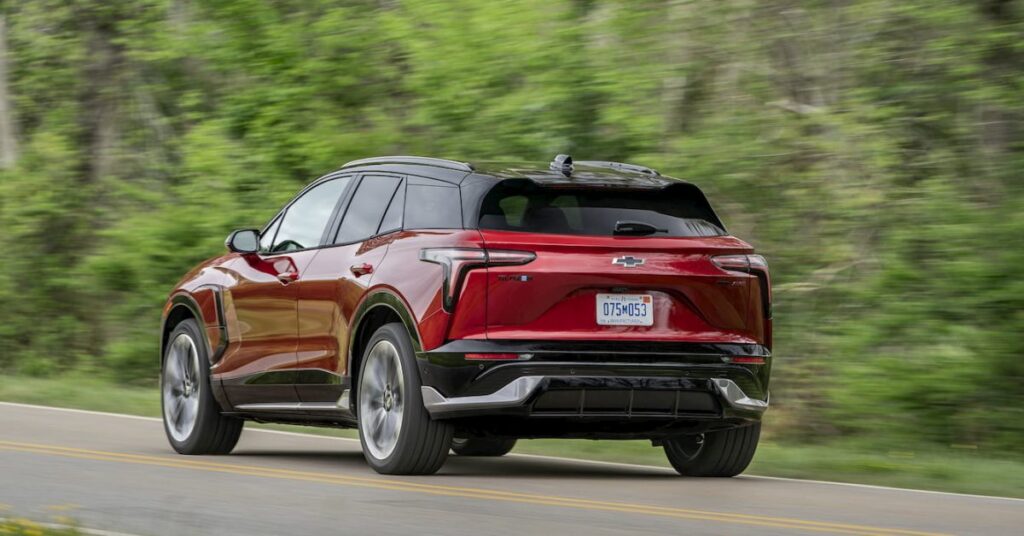
As the electric vehicle market continues to expand, Chevrolet and Cadillac are facing a critical moment. General Motors, their parent company, is shifting its focus back to internal combustion engines, leaving the future of their EV offerings uncertain. This decision comes amidst growing competition and innovation in the electric vehicle sector.
Developments in Chevy and Cadillac’s Vehicle Lineup
During GM’s second-quarter earnings call for 2026, CEO Mary Barra announced a strategic pivot. The next generation of Cadillac’s internal combustion engine vehicles is set to debut next spring, featuring updates to the CT5 sedan, XT5 SUV, and three-row XT6 SUV. These new gas-powered models will be sold alongside Cadillac’s current electric SUVs, highlighting a significant shift in GM’s approach to its luxury brand.
Initially, Cadillac aimed to transition to an all-electric lineup by 2030. However, the introduction of new ICE models signals a broader scale-back in GM’s EV strategy. Meanwhile, Chevrolet, the second-leading EV brand in the US behind Tesla, is also planning new gasoline vehicle launches.
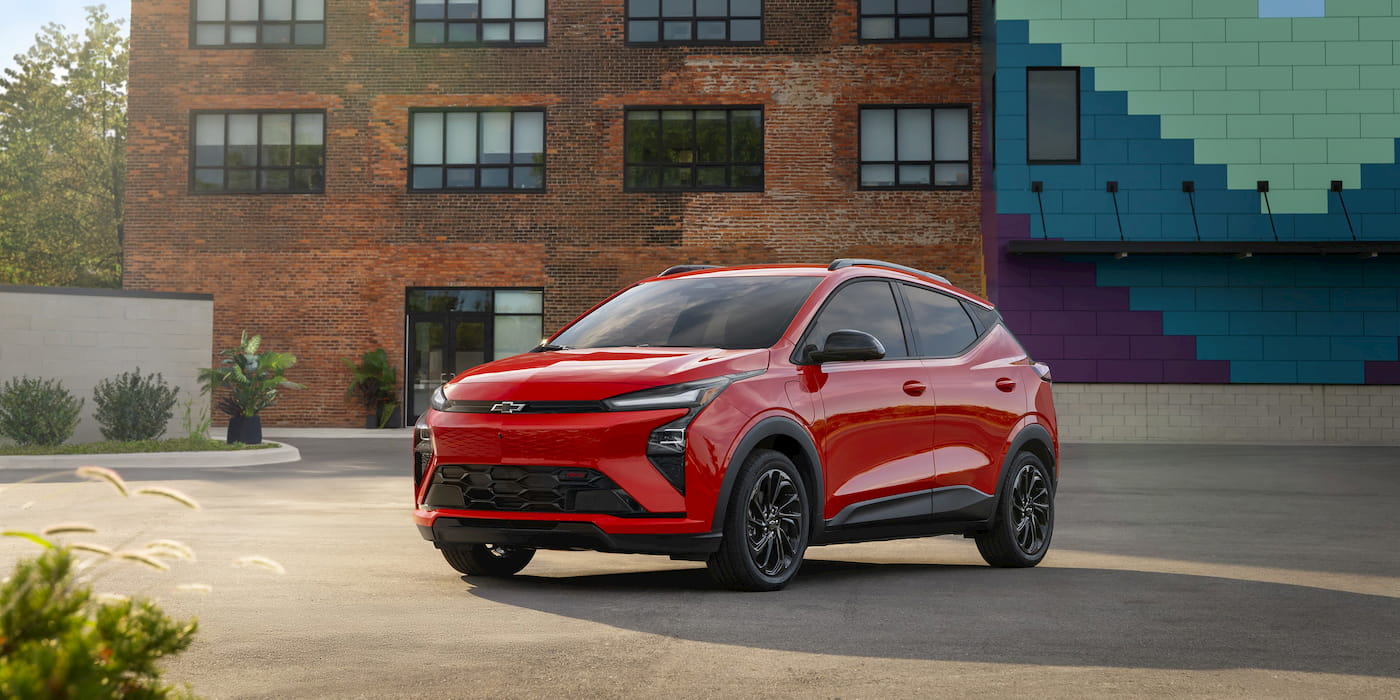
The popular Chevy Bolt will continue to be manufactured only until the end of the year, after which it will be replaced by a gas-powered crossover produced in Kansas. However, Chevrolet’s electric models like the Equinox EV, Blazer EV, and Silverado EV will still be available. Reports suggest that the Blazer and Equinox EVs could undergo significant updates by 2028.

GM has incurred $10.9 billion in EV-related charges since mid-2025, with $7.2 billion affecting cash flow. Despite these expenses, the company revised its full-year adjusted profit forecast upward, now expecting $14 billion to $16 billion.
Challenges and Competition in the EV Market
Though GM remains a leading EV seller in the US, Hyundai and other competitors are rapidly closing the gap. Hyundai’s IONIQ 5, for example, has surpassed the Chevy Equinox in sales, becoming the third most popular EV in America. Hyundai’s new $5 billion battery plant, capable of producing 35 GWh of battery cells annually, is poised to support 300,000 EVs.
Meanwhile, the Toyota bZ is also outselling the Chevy Equinox, and new models like the Rivian R2, BMW iX3, and Tesla Model Y L are set to intensify the competition. As GM focuses on ICE vehicles, it could face challenges from these emerging EV offerings.
GM’s senior VP, Duncan Aldred, acknowledged the persistent shift towards electric vehicles, noting, “The broader data shows that once customers move to an EV, they tend to stay, and they are likely to choose another EV for their next vehicle.” This raises questions about GM’s current strategy and its potential impact on the brand’s future.
Original Story at electrek.co