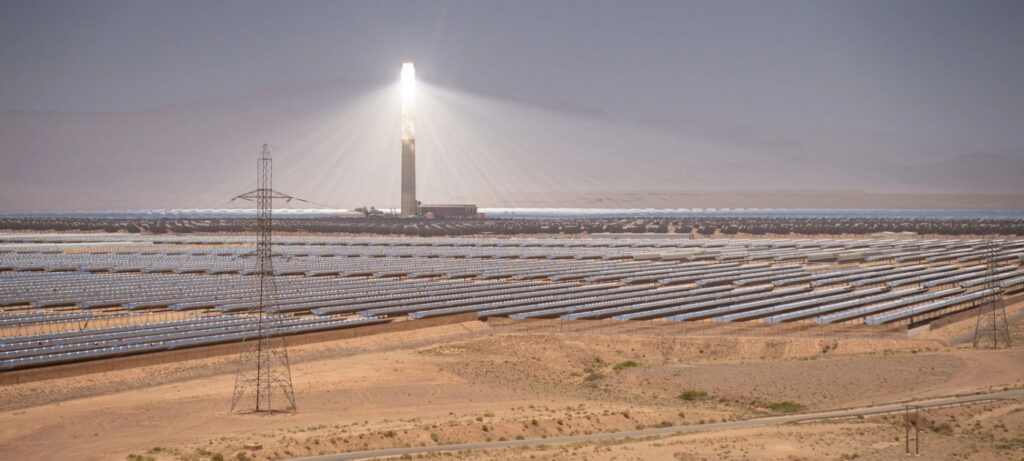
Global Energy System: Challenges and Opportunities for a Sustainable Transformation
In today’s world, energy is as essential as the air we breathe, powering everything from personal gadgets to entire cities. However, the current global energy landscape is fraught with significant challenges. Our heavy dependence on fossil fuels is exacerbating climate change, while a staggering 650 million people remain without electricity worldwide.
Debora Ley, a climate change scientist and a key contributor to the Seventh Edition of the Global Environment Outlook (GEO-7) by the United Nations Environment Programme, believes in the possibility of revamping this complex system. Her insights shed light on how we can reduce our reliance on fossil fuels while expanding access to clean energy.
Identifying Key Issues in the Energy Sector
According to Debora Ley: The GEO-7 report highlights five critical issues. Firstly, a large segment of the global population lacks access to electricity. Secondly, over 80% of energy is derived from fossil fuels, the main driver of climate change. Thirdly, energy waste is rampant, necessitating more fossil fuel combustion. Fourth, many energy systems are vulnerable to climate effects like fires and floods. Lastly, the transition to renewable energy raises concerns, particularly about the mining of minerals for batteries and solar panels.
While renewable energy sources like solar and wind are promising, they bring their own set of challenges. For instance, storage solutions such as lithium-based batteries can impact sensitive ecosystems if not managed responsibly. Indigenous communities, in particular, may face adverse effects from mineral extraction.
Ensuring a Fair Transition to Renewable Energy
Debora Ley emphasizes the importance of social and environmental safeguards. “You don’t want to just swap the damage done by fossil fuels for the damage done by mining,” she states, advocating for mining practices that are ethical and environmentally cautious.
The GEO-7 report promotes a holistic approach to solving interconnected crises like climate change and biodiversity loss. Solutions that address these issues collectively can lead to the systemic change necessary for planetary health.
Decarbonizing the Energy System
To significantly reduce carbon emissions, Ley suggests increasing investments in renewable energy, which can often be the most cost-effective way to produce electricity. Redirecting fossil fuel subsidies—estimated to be around US$7 trillion in 2022—toward clean energy initiatives is crucial. She also advocates for speeding up the electrification of transport and exploring alternative fuels like green hydrogen.
Additional steps include enhancing energy efficiency in buildings and urban planning to minimize energy use and emissions. Behavioral changes, such as favoring walking and cycling over car travel, are also recommended.
Expanding Electricity Access
For the hundreds of millions still without electricity, extending power grids and utilizing off-grid solutions like solar kits are vital. Community-scale and small-scale renewable projects can also be transformative, particularly in underserved regions. Supporting clean cooking solutions to reduce deforestation and health hazards is another essential measure.
Facing the Future: Challenges and Solutions
Addressing the threat of exceeding the 1.5°C warming target, Ley acknowledges that while overshooting is likely, solutions exist to mitigate the impact and eventually reduce temperatures. She stresses the need for political will to break down entrenched interests hindering progress towards a sustainable energy system.
By engaging multiple sectors—energy, food, and waste management—Ley believes we can achieve broader sustainability goals and pave the way for a more equitable and sustainable future.
The production of this story was funded by the European Union. GEO-7 was co-funded by the European Union.
Original Story at www.unep.org