The conflict between the United States and Iran has reached a critical juncture, with recent events threatening to escalate into a broader confrontation. The resurgence of hostilities primarily revolves around the strategic Strait of Hormuz, a vital passage for global oil shipments. However, amidst the rising tensions, there remains a glimmer of hope for diplomatic engagement between the two nations.
A Surge in Military Tensions
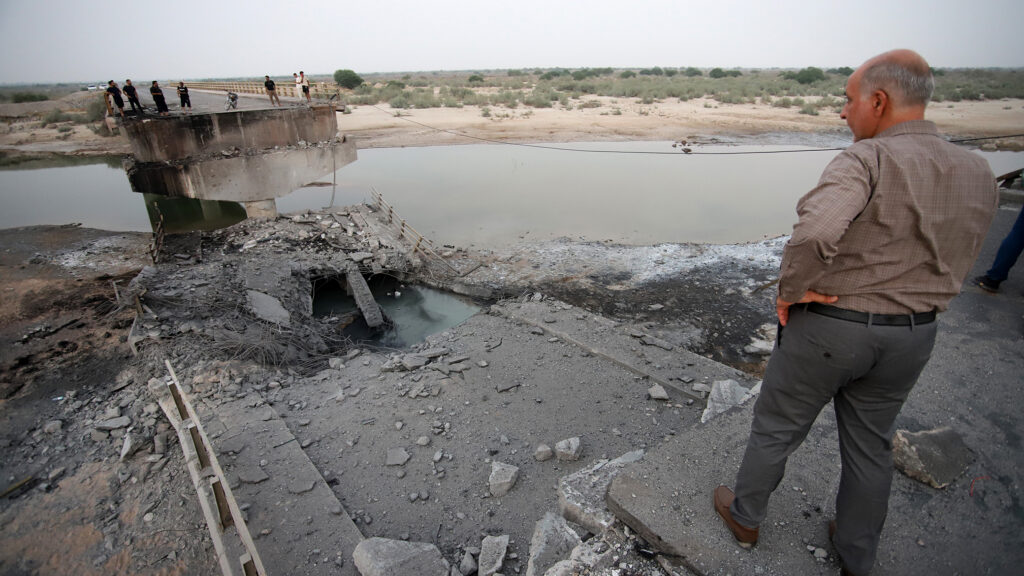
In recent days, a series of military exchanges have reignited the longstanding conflict, resulting in the first U.S. casualties in months. The U.S. has responded by reinstating a naval blockade on Iran, aimed at curbing Iranian attacks on maritime routes. This escalation has also seen both sides targeting civilian infrastructure, with the conflict extending beyond the Strait of Hormuz.
U.S. military actions have increasingly focused on Iranian critical infrastructure across various regions, while Iran has retaliated by striking civilian targets in neighboring Gulf countries. Notably, a Kuwaiti desalination facility and power plant were targeted, and Iran expanded its operations to Saudi Arabia and Jordan, among others.
Potential for Further Escalation
The possibility of further intensification looms large. Following a National Security Council meeting on July 16, the U.S. has deployed additional fighter jets to the region. Speculation surrounds potential U.S. operations against Iran’s nuclear facilities or oil export sites, though such actions carry significant risks.
Iran, for its part, has reportedly instructed the Houthis in Yemen to prepare to close the Bab al-Mandab strait if the U.S. targets its power network. Additionally, Iran could intensify attacks on Gulf energy infrastructure, potentially disrupting global energy markets. Meanwhile, Israel braces for possible Iranian strikes that could draw it further into the conflict.
The Role of Diplomacy
As military tensions rise, diplomatic efforts have struggled to gain traction. President Trump, at a recent NATO summit, declared the existing memorandum of understanding with Iran “over” and used derogatory language towards Iranian leaders. In response, Iran suspended its commitments to the agreement, with Supreme Leader Mojtaba Khamenei dismissing it as “worthless and invalid.”
Despite the breakdown, mediation efforts continue. Pakistan and Qatar are working behind the scenes to negotiate a peaceful resolution, although the vague language of the agreement complicates their efforts. Iran has acknowledged receiving proposals from these mediators, while both nations remain committed to the memorandum’s implementation.
Signs of a Diplomatic Opening
Despite the ongoing hostilities, both the United States and Iran appear willing to explore diplomatic options. U.S. Secretary of State Marco Rubio has expressed openness to talks, and Iran’s foreign ministry has similarly signaled a positive stance towards diplomacy. Notably, Iran recently released an American citizen, and the U.S. has refrained from escalating its military response to recent Iranian attacks.
While both sides remain entrenched in a cycle of escalation, the potential for de-escalation exists. The pain inflicted on both sides could pave the way for renewed diplomatic efforts, offering a chance to break the current impasse and seek a resolution to the longstanding conflict.
Original Story at www.csis.org