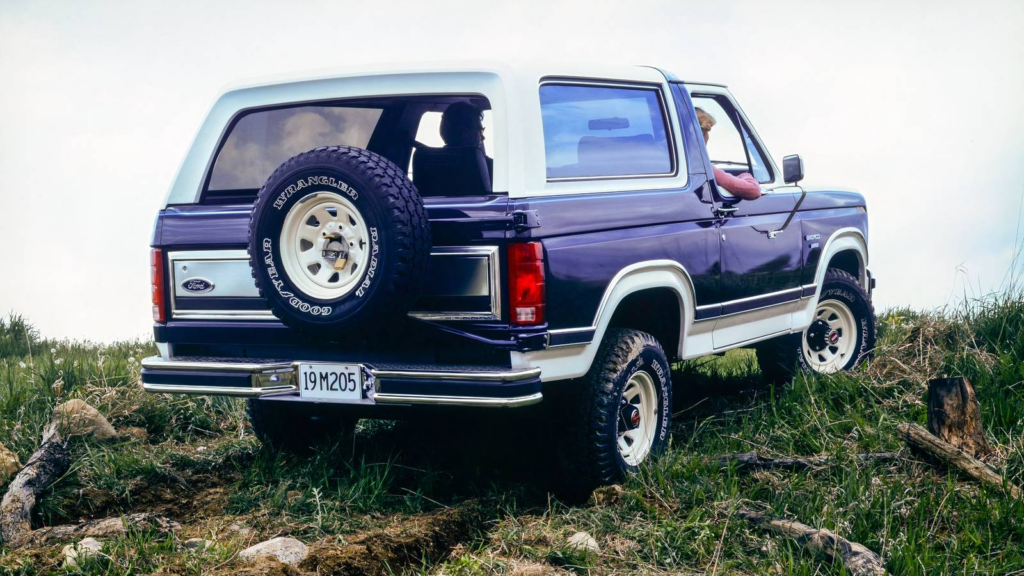
The automotive industry is on the brink of transformation as Ford reimagines car production with a revolutionary system. After over a century of using the conveyor belt assembly line, Ford is now embracing a novel approach that aligns with the rise of electric vehicles.
The Universal EV Production System: Ford’s New Approach
Ford, a pioneer in assembly line manufacturing, is now introducing a fresh strategy for assembling electric vehicles (EVs). This new method, called the Ford Universal EV Production System, marks a significant departure from traditional car manufacturing techniques. Unlike the conventional linear assembly line, this system utilizes an “assembly tree” structure. Components are assembled concurrently in separate branches before combining into a complete vehicle.
The assembly process is designed to boost efficiency and ergonomics by providing workers with kits containing all necessary tools and components, pre-arranged for optimal use. This not only speeds up production but also improves working conditions by reducing the need for bending or reaching.
Large single-piece aluminum unicastings are replacing smaller components, with the front and rear sections of the vehicle being assembled separately. The structural battery, seats, consoles, and carpeting are handled in the final line. This system is set to debut with Ford’s upcoming electric pickup truck, anticipated to be 15% faster to assemble than current models.
“We put our employees at the center and re-created the factory from scratch […] We live and breathe continuous improvement, but sometimes you need a dramatic leap forward. We expect ergonomic breakthroughs and complexity reduction – through elimination of parts, connectors and wire – will flow through to significant quality and cost wins.” – Bryce Currie, Ford vice president, Americas Manufacturing
Ford’s Historical Contribution to Assembly Lines
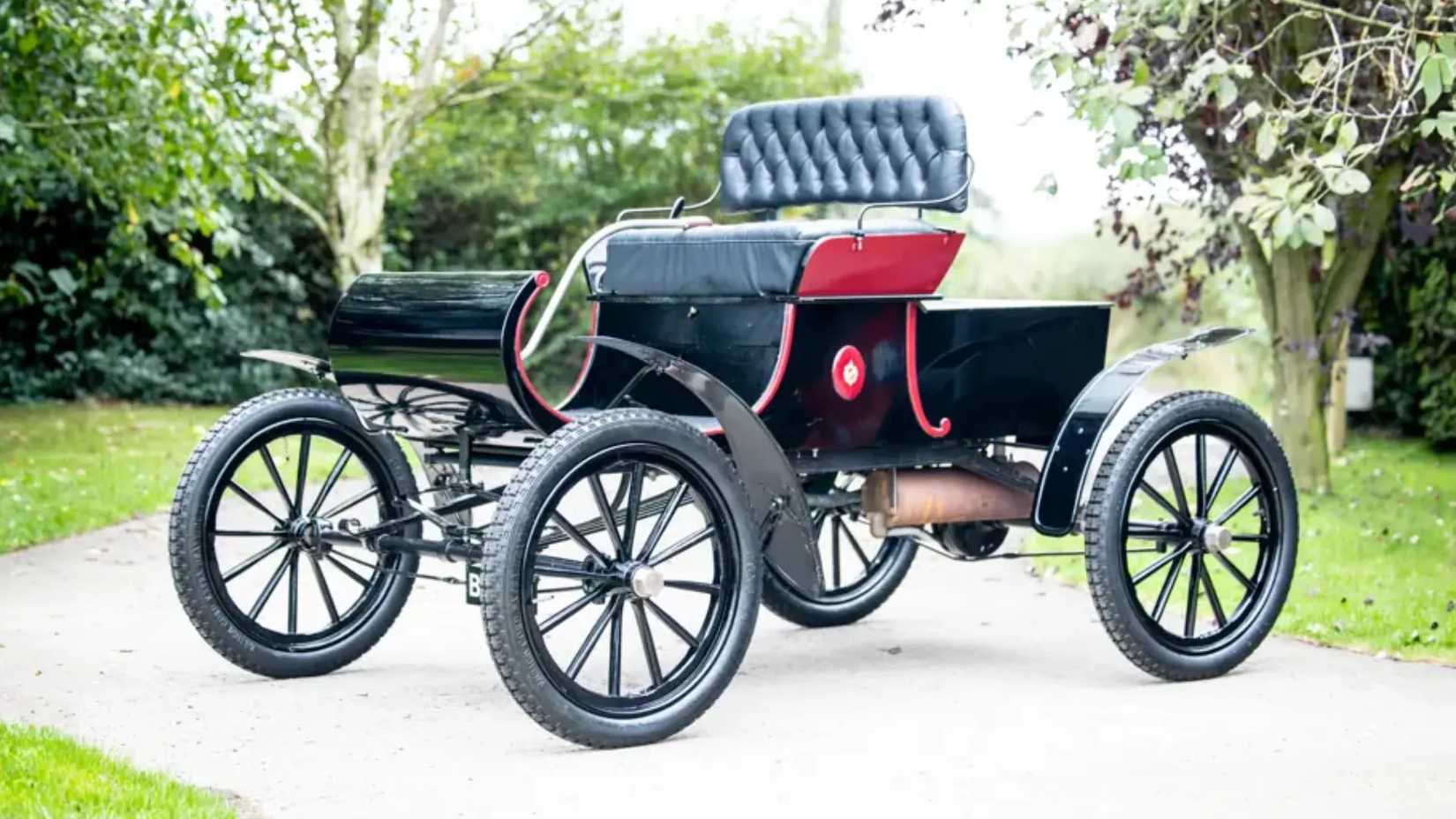
While Ford is renowned for the moving assembly line, the first static assembly line was introduced by Oldsmobile. This system had workers move between stationary cars to assemble them, a method first used for the Oldsmobile Model R, or “Curved Dash.” Ford’s introduction of the moving assembly line soon after, however, revolutionized the industry by allowing cars to move along a conveyor, significantly increasing production speed.
This historical perspective highlights Ford’s potential to reshape manufacturing once again with its new EV production system, which could lead to the production of a $30,000 electric truck.
The Ford Universal EV Platform
Alongside the new production system, Ford is introducing the Universal EV Platform. This platform aims to streamline production and reduce waste. It promises vehicles with 20% fewer parts and 25% fewer fasteners, while assembly time is reduced by 15%. These efficiencies extend to vehicle ownership, with Ford claiming that these EVs will have lower five-year ownership costs than a three-year-old Tesla Model Y.
The first model utilizing this platform, an affordable electric pickup truck, is set to launch next year. The truck will include a wiring harness significantly shorter and lighter than the one in the Mustang Mach-E, enhancing efficiency and performance.

The platform uses lithium iron phosphate batteries, optimizing space and weight while cutting costs and boosting durability. The innovative battery design forms the vehicle’s floor, enhancing interior space and reducing noise.
Ford’s Upcoming Affordable EV Pickup
Ford’s forthcoming midsize pickup truck, the first to utilize the Universal EV Platform, is expected to be priced around $30,000. Drawing inspiration from the Model T, this truck aims to balance affordability and innovation. Doug Field, Ford’s chief EV, digital and design officer, commented:
“We took inspiration from the Model T – the universal car that changed the world […] We assembled a really brilliant collection of minds across Ford and unleashed them to find new solutions to old problems. We applied first‑principles engineering, pushing to the limits of physics to make it fun to drive and compete on affordability. Our new zonal electric architecture unlocks capabilities the industry has never seen. This isn’t a stripped‑down, old‑school vehicle.”
The truck aspires to match the EcoBoost Mustang’s acceleration while offering superior cargo and passenger space compared to the Toyota RAV4, making it a compelling option for consumers.

In a novel approach to vehicle testing, Ford has included a QR code in the truck’s camouflage, linking observers to a page revealing insights into the vehicle and its innovative production process.
For more information: Learn more about Ford’s Universal EV Platform.
Original Story at carbuzz.com