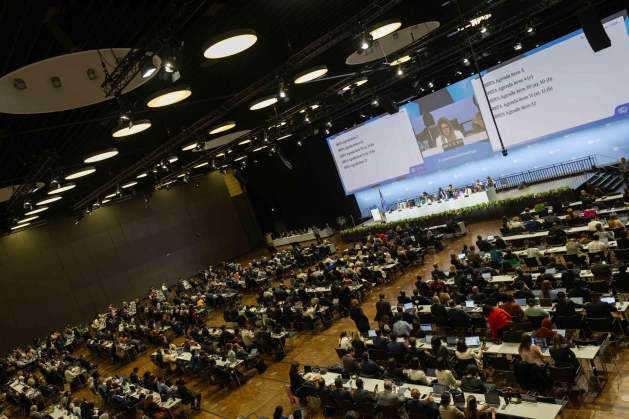
The recent UN Climate Meetings in Bonn left many participants disillusioned as progress remained elusive. With expectations set for these talks to pave the way for COP 31 in Antalya, the outcome fell short, sparking a myriad of accusations among delegates. What transpired in Bonn, and what implications does it have for the upcoming COP 31?
Accusations of “deliberately delaying us” and “spreading misinformation” were among the many charges flying between delegates, reflecting the tension and frustration that permeated the talks. Negotiations, which took place in smaller groups, quickly turned contentious, with disagreements escalating beyond usual diplomatic decorum.
Complex Agenda Overload
One major issue identified was the overwhelming number of topics on the Bonn agenda. Over the years, with each nation eager to spotlight its priorities, the agenda has become increasingly cluttered. Small island nations focused on limiting global warming to 1.5°C and phasing out fossil fuels, while fossil fuel-dependent countries like Saudi Arabia were concerned about the economic impact of these discussions. Meanwhile, Western countries showed interest in renewable energy but resisted discussions on compensating affected countries.
As each group pushed its agenda, the negotiations became more fragmented, leading to calls for simplification. Yet, no nation seemed willing to forgo its preferred topics, resulting in a stalemate where simplification remains an unachieved goal.
Procedural Paralysis
Further complicating the talks were the outdated “rules of procedure” from the 1990s. These rules, intended to facilitate decision-making through voting, have never been formally adopted, requiring consensus for all decisions. With 198 parties involved, each with unique agendas, reaching consensus proved nearly impossible, highlighting a systemic flaw in the negotiation process.
Challenges for COP 31
The failure to resolve issues at Bonn means COP 31 in Antalya faces an agenda pileup. The Bonn talks, meant to address simpler issues, left many unresolved, rolling them over to COP 31. Despite this daunting workload, there is a potential silver lining. The collaborative efforts between Türkiye and Australia, co-presiding over COP 31, have shown promise in diplomatic negotiations.
Two pre-COP events in October, one in Fiji and another in Tuvalu, offer a chance to address some of these issues beforehand. However, the overall outlook remains uncertain.
Systemic Reforms and Optimism
The increasing complexity of climate negotiations has prompted discussions on streamlining the process. Despite the challenges, there are reasons for cautious optimism. While COP 31 is not seen as critical, future COPs, such as COP 32 and COP 33, will play crucial roles in assessing progress and revisiting global commitments.
The foundational agreements, like the Paris Agreement, are already in place, and the focus should now shift to implementation. Initiatives like the “Coalitions of the Willing” demonstrate a collective desire to tackle climate change, despite the lack of unanimous consensus among all member states.
Since the Paris Agreement, global warming projections have decreased from 4-6°C to 2.1-2.8°C by century’s end, a sign of progress. While these numbers remain concerning, they illustrate a shift brought about by policy changes, scientific advancements, and stakeholder actions. As Christiana Figueres advocates for “stubborn optimism,” the path forward demands persistent climate action.
Prof. Felix Dodds and Chris Spence, seasoned participants in UN climate negotiations, continue to contribute their expertise to the global climate conversation.
© Inter Press Service (20260630151537) — All Rights Reserved. Original source: Inter Press Service
Original Story at www.globalissues.org