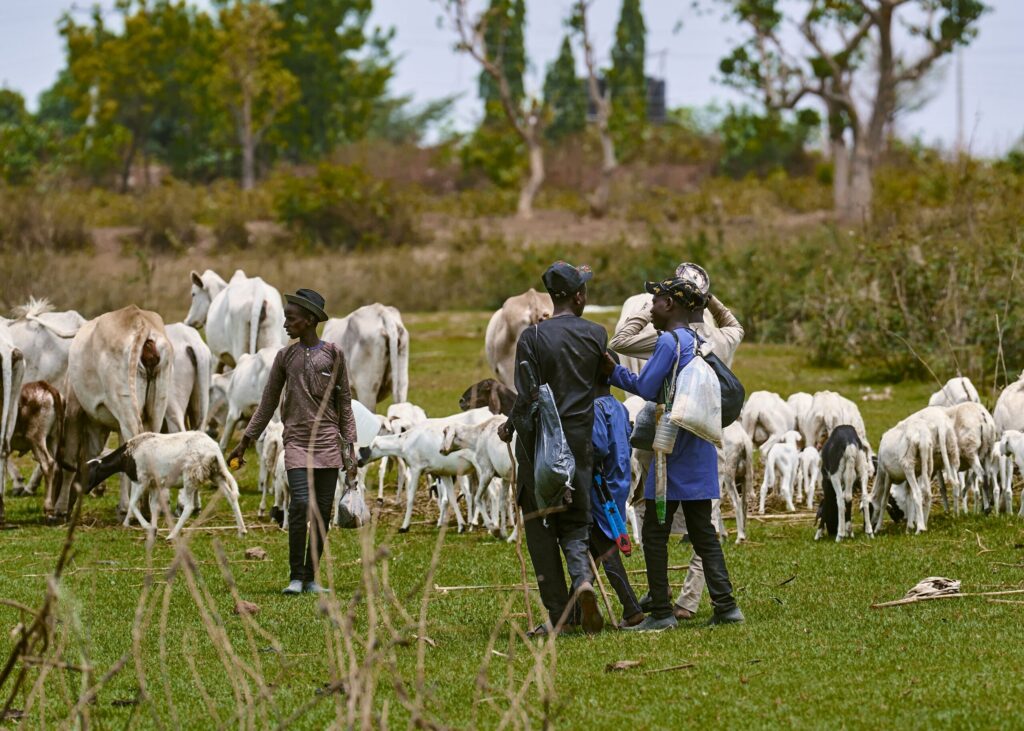
In sub-Saharan Africa, the narrative around farmer-herder conflicts often skews toward simplistic explanations of ethnic tensions or inevitable clashes between different lifestyles. However, these conflicts are deeply intertwined with ecological and governance challenges, as highlighted in a recent study. As climate change exacerbates resource scarcity, the need for a nuanced understanding and response becomes ever more critical.
Throughout the region, both farmers and herders are grappling with the impacts of climate variability. With dwindling resources due to droughts, desertification, and erratic weather patterns, tensions rise as herders migrate in search of grazing land and water, and farmers adjust their cultivation practices. Historically cooperative land-sharing arrangements are strained, leading to disputes when livestock encroach on farms or when access to water is contested.
West and East Africa face significant challenges from these tensions. In countries like Nigeria and Tanzania, climate-induced migrations have intensified conflicts over land and resources. In Nigeria, herders moving south from drought-stricken areas have clashed with farmers over arable land. Similar patterns are seen in Tanzania, where pastoralists from the north create friction with farming communities in regions like Morogoro.
The situation is further complicated by political factors and insecurity. In the Sahel, conflicts are increasingly linked with armed groups and cattle rustling. Meanwhile, in Senegal and the Central Sahel, climate pressures have escalated traditional tensions, pushing nomadic herders into farming territories during critical agricultural periods. Coastal West Africa sees herders displaced by conflict in Mali and Burkina Faso adapting to new urban environments, often losing their traditional livelihoods.
Weak governance and institutional failures exacerbate these tensions. Poor land management, corruption, and exclusionary practices turn competition for resources into violent confrontations. Addressing these issues requires more than immediate security measures; holistic strategies that tackle political, ecological, and economic factors are essential for lasting peace.
Effective peacebuilding strategies should begin with participatory land-use planning. Clearly defined areas for grazing and farming, developed with local community involvement, can minimize conflicts. Plans imposed without local input risk fostering exclusion and resentment. Comprehensive planning must protect both agricultural and pastoral interests.
Proactive measures, such as early warning and action systems, are crucial. These systems should leverage climate forecasts and migration patterns to anticipate tensions and enable preemptive mediation efforts. Strengthening local peace committees, ensuring they include diverse community voices, and providing them with legal and financial support can also help mediate conflicts.
Compensation and accountability mechanisms are vital to break cycles of revenge. Transparent systems to assess and address damages from conflicts can prevent communities from resorting to self-justice. Legal accountability for criminal acts such as cattle rustling and violence is necessary alongside communal conflict resolutions.
Investing in climate adaptation can ease resource pressure. Initiatives like water conservation, pasture restoration, and support for climate-smart agriculture can help communities manage resources more sustainably. Recognizing pastoral mobility as an adaptive strategy, rather than a threat, allows for better management of herder movements.
Understanding the shared vulnerabilities of farmers and herders can foster cooperative policy-making. Highlighting the mutual challenges faced by both groups under climate stress can shift narratives away from divisive stereotypes and towards collaborative solutions.
Ultimately, no single approach can resolve farmer-herder conflicts. An integrated strategy involving climate adaptation, equitable land governance, inclusive conflict resolution, and community engagement is needed. Sustainable peace in sub-Saharan Africa depends on addressing the core issues of climate, poverty, and institutional neglect that underpin these conflicts.
Original Story at peacenews.com