Unseen Emissions: The Hidden Contributors to Global Warming
While most discussions about global warming focus on carbon dioxide and other well-known greenhouse gases, recent research highlights lesser-known emissions that significantly impact our climate. A study published in the journal Science reveals that these emissions account for a considerable portion of human-driven global warming.
These emissions, unlike carbon dioxide, do not directly cause warming. Instead, they trigger atmospheric reactions that enhance the warming impact of other greenhouse gases. The study suggests that these indirect interactions contribute to about 15 percent of global warming caused by human activities. Despite their impact, these pollutants are not included in current international climate agreements.
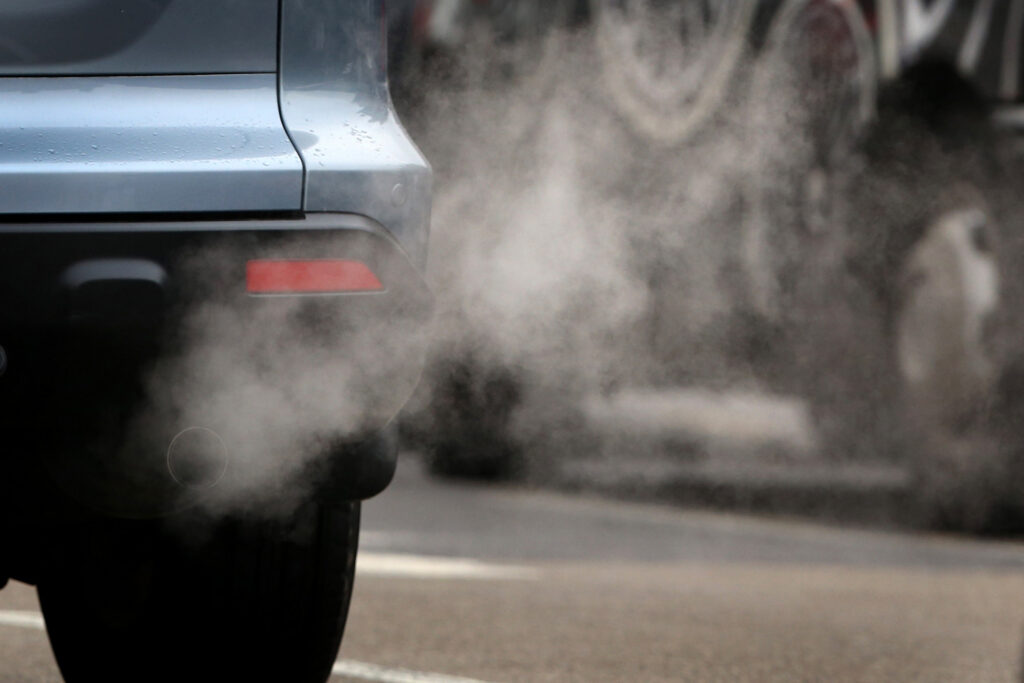
According to Ilissa Ocko, the study’s lead author and a senior climate scientist at Spark Climate Solutions, “We’re emitting things into the atmosphere that don’t directly warm the planet, but they increase the amount of the greenhouse gases that do directly warm the planet.” These emissions include carbon monoxide and non-methane volatile organic compounds, along with black carbon, or soot.
The Kyoto Protocol, which defines the gases tracked for climate policy, overlooks these indirect contributors. At the time of the protocol’s creation in 1997, there wasn’t sufficient data to include these emissions in policy. However, the authors of the new research, including experts from the Environmental Defense Fund and a former U.S. climate envoy, believe there’s now enough evidence to address these emissions.
The integration of such pollutants into climate policy faces significant challenges. Vaishali Naik, a scientist at the National Oceanic and Atmospheric Administration, noted that although the argument for including these gases has been present since the late 1990s, “persistent scientific and political challenges remain.” Quantifying emissions from specific sources and linking them to climate effects is still a developing field.
Political resistance is another hurdle. Michael Gerrard of Columbia University’s Sabin Center for Climate Change Law points out that many countries are struggling to meet current emission reduction targets, making it unlikely they would agree to regulate additional pollutants.
Despite these obstacles, the study highlights that these untracked pollutants have a significant cumulative impact, surpassing the warming effects of all but two of the seven greenhouse gases listed by the Kyoto Protocol. The short-lived nature of these emissions compared to carbon dioxide means that reducing them could rapidly decelerate global warming.
Ocko emphasizes the urgency of addressing these pollutants: “We’re already seeing damages, so anything we can do to shave off extra fractions of a degree is critical.” Although these emissions are not highlighted in climate discussions, they are regulated as harmful air pollutants in various countries due to their health impacts, such as contributing to smog.
Ocko remains hopeful about the potential to mitigate these emissions, stating, “I’m excited to see where all of this goes, and hopefully we can uncover new mitigation opportunities to address climate change.”
Original Story at insideclimatenews.org