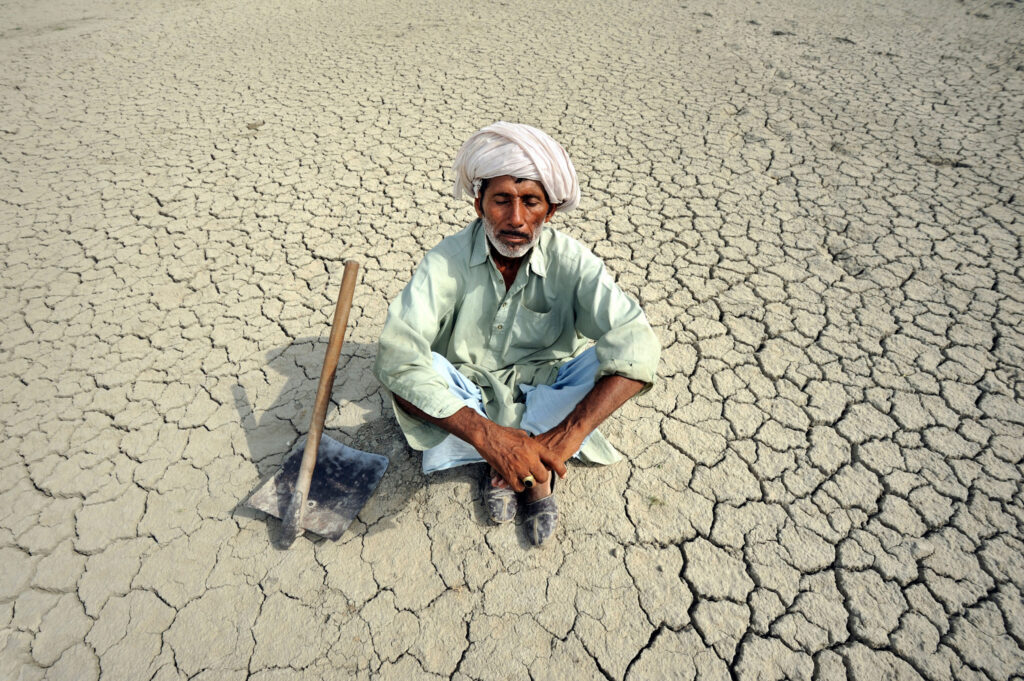
Extreme Heat and Dental Health: The Unseen Crisis Facing Pakistani Farmworkers
As temperatures soar in Pakistan, a hidden crisis is unfolding in the mouths of farmworkers. The relentless heat is not only a test of physical endurance but also a threat to dental health, as agricultural laborers face unprecedented challenges to their oral hygiene.
Rashid, a sugarcane farmer from Punjab’s Jhang District, exemplifies the toll of extreme temperatures. With eight teeth lost in just two years, Rashid anticipates needing dentures by 40. His story is not unique among Pakistan’s laborers who toil under the sun, where temperatures frequently exceed 45°C (113°F).
In the city of Jacobābād, temperatures reached a staggering 51°C, rivaling the hottest places on Earth. Such conditions put immense pressure on human physiology, as Rashid’s dentist observed during an examination in Lahore. Unlike typical decay, Rashid’s teeth were rapidly deteriorating, suggesting a more systemic issue beyond poor dental hygiene.
“This was environmental collapse writing itself directly into human biological systems.”
Farmworkers like Rashid consume 15 to 20 liters of water daily to combat the heat, yet dehydration remains a persistent issue. The heat-induced dry mouth significantly impacts saliva production, a crucial component of oral health. Saliva buffers against acids, remineralizes enamel, and fights bacteria, all essential for maintaining healthy teeth.
When saliva flow decreases, teeth demineralize quickly. The situation is exacerbated by the consumption of brackish groundwater, which is becoming more common due to reduced rainfall and higher evaporation rates. This water pulls moisture from oral tissues, worsening dry-mouth conditions.
Abida Farooqi, an environmental scientist, notes, “Reduced salivary flow decreases [salivary] bicarbonate, allowing oral pH to drop more easily,” creating favorable conditions for cavities and enamel demineralization.
Testing among farmworkers revealed dangerously low saliva pH levels, averaging around 5.2, compared to the healthy range near 7.0. This acidity accelerates enamel dissolution, akin to chalk dissolving in vinegar. Notably, non-agricultural workers did not show similar patterns, highlighting the impact of heat exposure on dental health.
Beyond physiological effects, tooth loss leads to significant socio-economic repercussions. Workers face stigmatization and reduced job opportunities due to their appearance. A 26-year-old construction worker from Faisalabad shared, “I lost three job opportunities after they saw my teeth. They literally told me they couldn’t hire someone who looked that ill.”
The broader economic implications are severe, as climate change not only reduces crop yields but also erodes the health of workers sustaining agricultural production. This “hidden productivity shock” compounds poverty and wage stagnation, according to economist Farhan Ali Virk.
Community-led initiatives, such as adjusted work hours to avoid peak heat and the provision of electrolyte solutions, are emerging as grassroots responses. These efforts show promise in mitigating some health impacts, but systemic solutions are necessary.
Rashid’s plea to the world is clear: climate change is not an abstract concept. “Tell them that climate change isn’t abstract,” he stated. “It’s here, right now, in my mouth, in my family’s survival, in my ability to work and eat and live with dignity… It’s not just teeth; it’s my entire future.”
Original Story at www.thexylom.com