When dumped on deck, the catch no longer resembled ocean life.
A mix of dead crabs and conger eels slid across the salt-covered ship floor. Bruised by boulders, half a ton of mud with starfish and shells had been bounced violently across the sea floor for hours. These creatures only surfaced after their deaths.
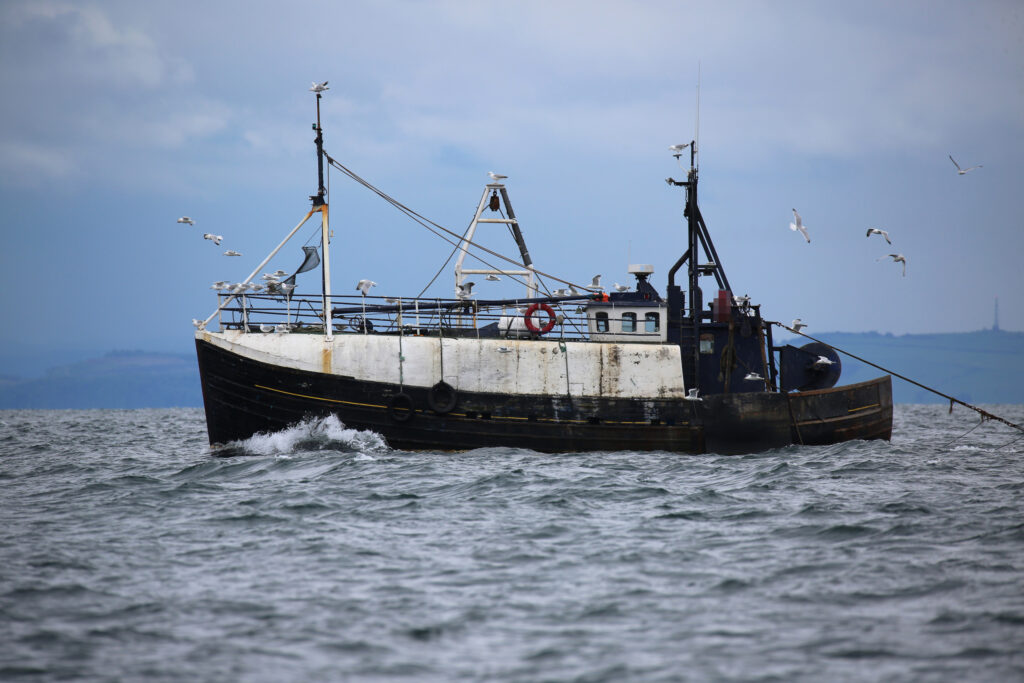
As waves hit the hull, the boat matched the water’s rhythm. The engine vibrated like a jackhammer, while chains clanged against obstacles. The sight of blood served as a reminder: This was a mechanized, rusted beast on the hunt.
This noise is familiar for those navigating Europe’s waters on nearly 5,000 trawlers from the Mediterranean to the Arctic Ocean, targeting species like cod and haddock, but collecting sharks, rays, and seahorses discarded as bycatch.
For Bally Philp, a third-generation fisherman from Scotland’s Isle of Skye, it was also part of his boyhood. “I wasn’t happy shoveling dead fish,” said Philp, who worked on prawn trawlers as a teen. Against his skipper’s wishes, he tried to release the unintended catch, an act that led to his dismissal from his uncle’s boat. “That was the end of my trawling career. I wasn’t willing to watch fish that could have survived, die.”
Now chair of the Scottish Creel Fishermen’s Federation, Philp prefers baited pots over industrial nets. For small-scale fishers across Europe, the fight against trawlers is not only environmental but also economic.
Bottom trawling in European waters costs up to $18.5 billion annually through disturbing seafloor sediment and releasing carbon dioxide emissions, according to a new report by National Geographic’s Pristine Seas researchers. The continent’s trawlers spend over 5.5 million hours annually fishing, with nearly a quarter of all activity within Marine Protected Areas (MPAs).
“Our study shows bottom trawling in European waters is not just an environmental disaster, it’s an economic failure,” said Professor Enric Sala, a National Geographic explorer in residence and one of the study’s authors published in Ocean & Coastal Management.
“We were shocked by the societal cost,” said Sala, noting the estimates are conservative. “Carbon dioxide emitters don’t pay for their emissions; society does.”
While the industry generates over $200 million in net profits, European taxpayers cover a bill roughly 90 times higher, according to the report.
“A marine protected area allowing bottom trawling is like permitting clear-cutting in national parks,” said Sala. “If it happened on land, people would protest. In the ocean, it goes unseen.”
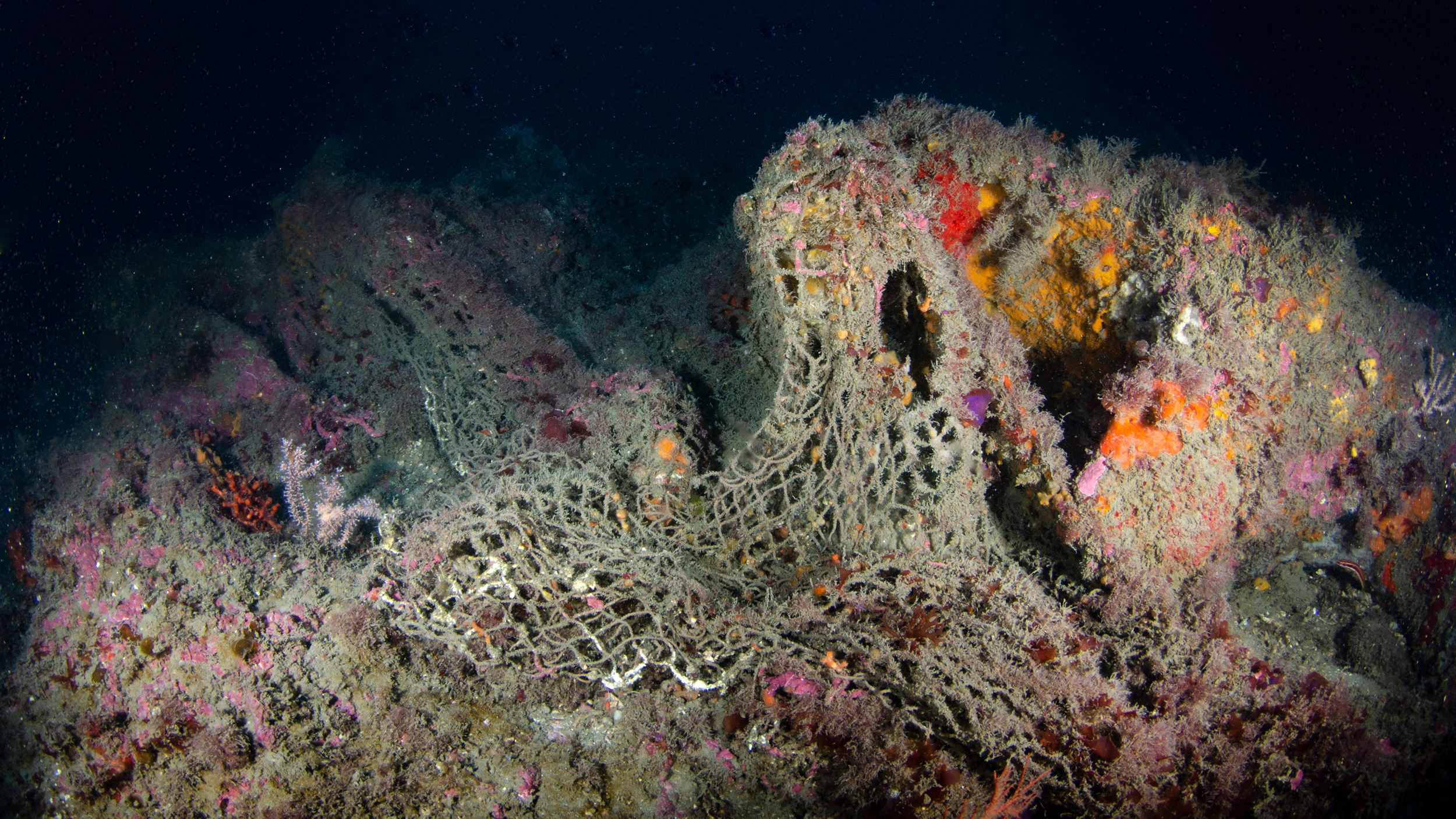
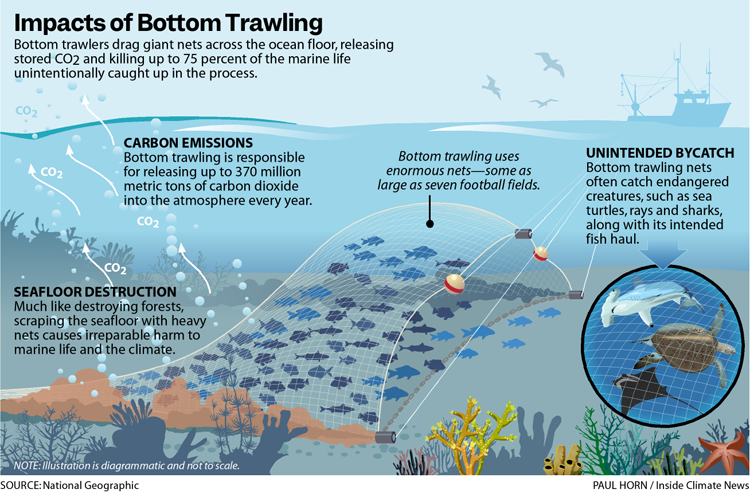
Commercial bottom trawling is far from traditional fishing methods. Biologists call it “hunting with a bulldozer,” as nets sweep with indiscriminate destruction over reefs, kelp beds, and seagrass meadows.
Heavy nets gouge sediment from the seafloor, releasing nearly 370 million metric tons of carbon dioxide globally each year. A third comes from European trawlers.
In the first economic assessment of its kind, Sala’s team found that emissions from Europe’s bottom-trawlers outweigh their societal benefit. Using the social cost of carbon dioxide, this fishing method is a financial black hole.
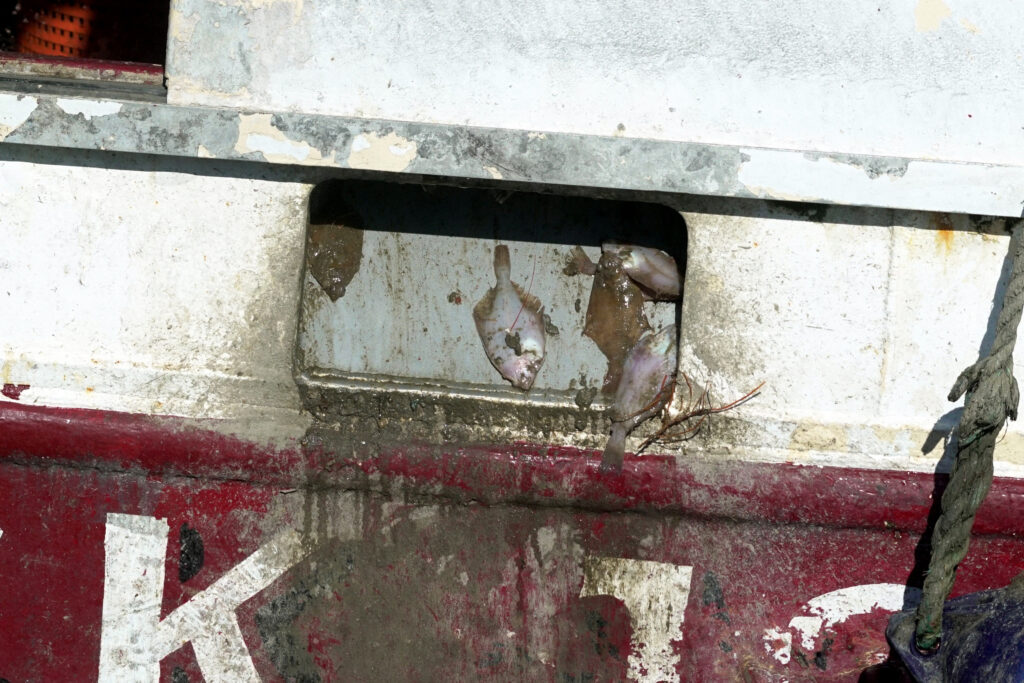
Philp has seen that up to 75 percent of marine life caught in bottom trawling nets die. The capture and discarding of dogfish, rays, sharks, sponges, and seahorses is valued at a quarter of a billion dollars annually.
“You can’t fix selectivity, seabed abrasion, or carbon issues,” said Philp, highlighting trawling gear flaws. “Carbon adds arguments to restrict trawling.”
Supermarkets claim sustainability, but high bycatch from trawling refutes this. “When you eat shrimp, you kill sharks, skates, and release carbon,” said Michael Sealey, Oceana in Europe. “Bulldozing marine habitats undermines EU’s blue economy objectives.”
The report highlights a global blind spot. Over 3,000 fish species are caught in bottom trawls globally, according to research in Reviews in Fish Biology and Fisheries. The figure could reach 5,700 species, with entire branches of marine life enmeshed in trawls. Sarah Foster, a senior researcher at the University of British Columbia, witnessed the destruction firsthand in Mexico’s Gulf of California.
Foster recalls the catch dropping like “pieces of a beautiful ocean puzzle.” Fishermen would tell her to turn away when the catch was unsightly.
“My job was to shovel everything we didn’t keep overboard,” said Foster. “It was heartbreaking.”
“When you eat shrimp, you’re eating a shrimp, but for that shrimp, you killed sharks, released tons of carbon dioxide.”
— Michael Sealey, Oceana in Europe
Her report found 95 percent of species caught by trawlers globally were unintended targets, with one in seven species “threatened” on the IUCN Red List.
“Trash fish” is often caught in the Global South and ground into fishmeal for farmed fish in the Global North.
Foster predicts the industry will contest the carbon dollar amount but believes bottom trawling is a climate challenge.
“No one can contest that bottom trawl fisheries are the worst from a climate perspective,” said Foster. “They consume the most fuel and release carbon from the ocean floor uniquely.”
Despite ecological harms, trawling continues inside Europe’s protected habitats. Since 2020, more than 1.3 million tons of fish have been caught in Britain’s protected waters, enough to fill 500 Olympic swimming pools, according to Greenpeace.
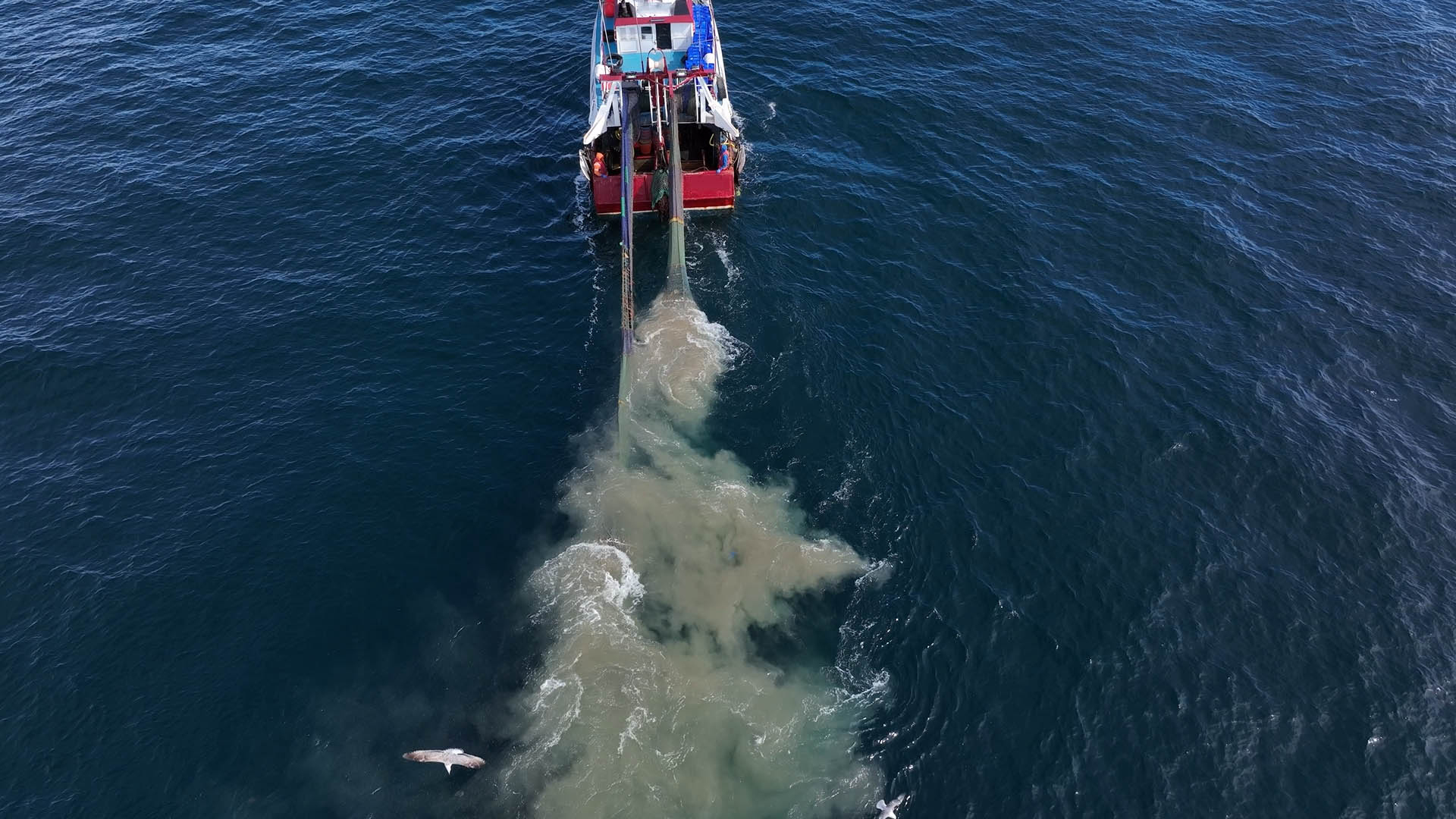
Despite more than 300,000 square miles of marine reserves, only 0.07 percent of Europe’s waters have “full” or “high” protection against trawling. As a result, populations of sharks, rays, and skates are often more plentiful outside MPAs.
In Spain, Oceana and ClientEarth have taken the government to the High Court for allowing destruction in Natura 2000 sites. The case challenges the Spanish fisheries ministry’s ability to issue licenses to trawlers inside MPAs without proper environmental impact assessments.
A political disconnect between the environmental and fisheries ministries compounds the issue. The environmental ministry aims to protect 30 percent of its waters by 2030, while the fisheries ministry prioritizes large industrial vessels’ rights, exposing corporate control over national policy.
“The myth that protecting oceans harms fishing is perpetuated by the industrial fishing lobby,” said Sala. “Overfishing, not protection, is the enemy.”
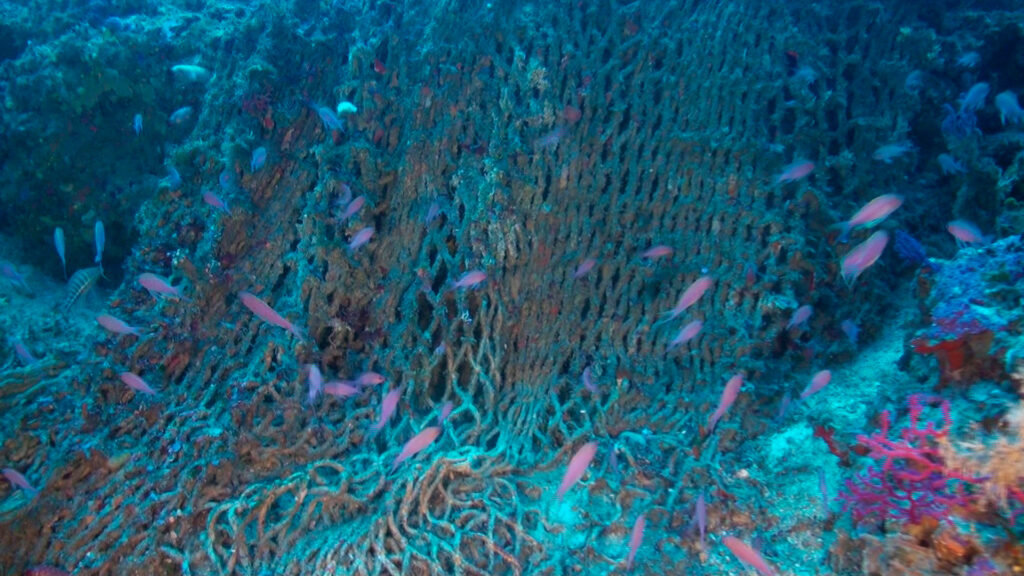
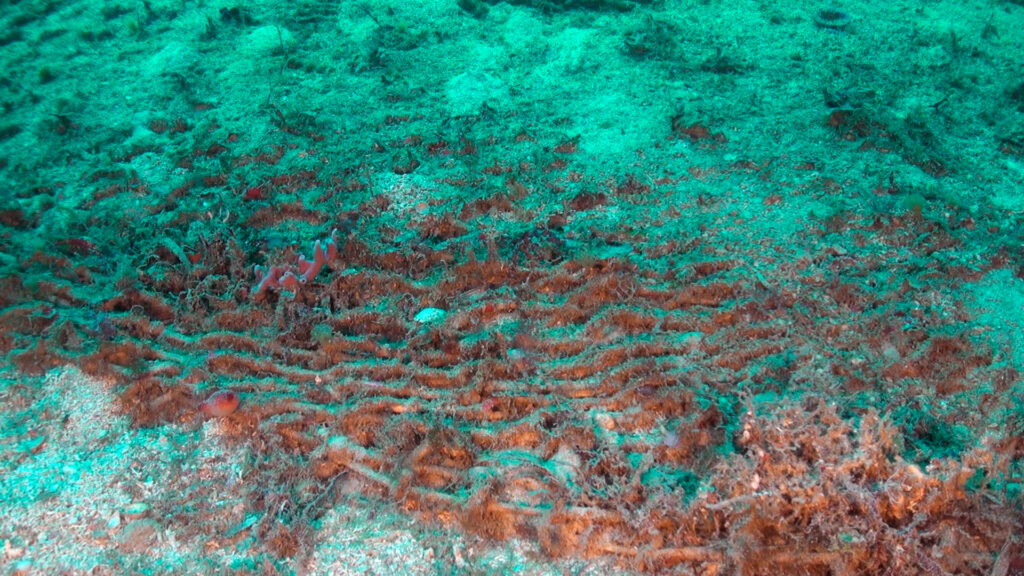
Across Europe, Oceana finds strong allies in local fishers. In Tenerife, fishermen have pleaded for a marine reserve for nearly 20 years, repeatedly blocked by Madrid. In Mallorca, the Tramuntana reserve—a hotspot for rare red coral—remains stalled despite local support.
Britain’s poor management policies allow industrial lobbyists to paint restrictions on trawling as “anti-fishing,” said Hugo Tagholm, executive director of Oceana UK.
While the U.K. restricted trawling in 13 MPAs in 2024, companies use British fishermen to fight conservationism, while “sucking the life out of coastal communities,” said Tagholm.
Just 26 boats catch over 50 percent of Scotland’s seafood by value.
“The guys on these boats don’t even have oilskins,” said Philp, highlighting the industrial nature of Scotland’s super-trawlers, benefiting few companies. “If a fisherman doesn’t own waterproof gear, they’re barely a fisherman.”
Despite their harm, trawlers provide just 2 percent of Europe’s animal protein and employ less than a third of those in small-scale fisheries, from Portugal’s pole-and-line fishing to Greece’s trapping.
Sala emphasizes the $18.5 billion carbon cost is an underestimate. Industrial trawlers have been churning seabeds since the 1950s, with half the carbon already in the atmosphere.
“It’s a fraction of the CO2 produced by the bottom trawling industry,” said Sala. “The societal cost is likely higher than reported.”
Without over $1 billion in annual fuel subsidies, the industry would be unprofitable in Spain, the U.K., and Portugal, researchers claim. In March, when fuel prices spiked due to geopolitical crises, half the Dutch fleet stayed in port as it was financially unviable to sail without higher subsidies.
In Scotland, Bally Philp’s family faced fish stock failures as landings dropped over 95 percent since the 1970s. Generations have overfished herring and large cod, leaving his generation as “shellfish fishermen,” largely due to trawlers.
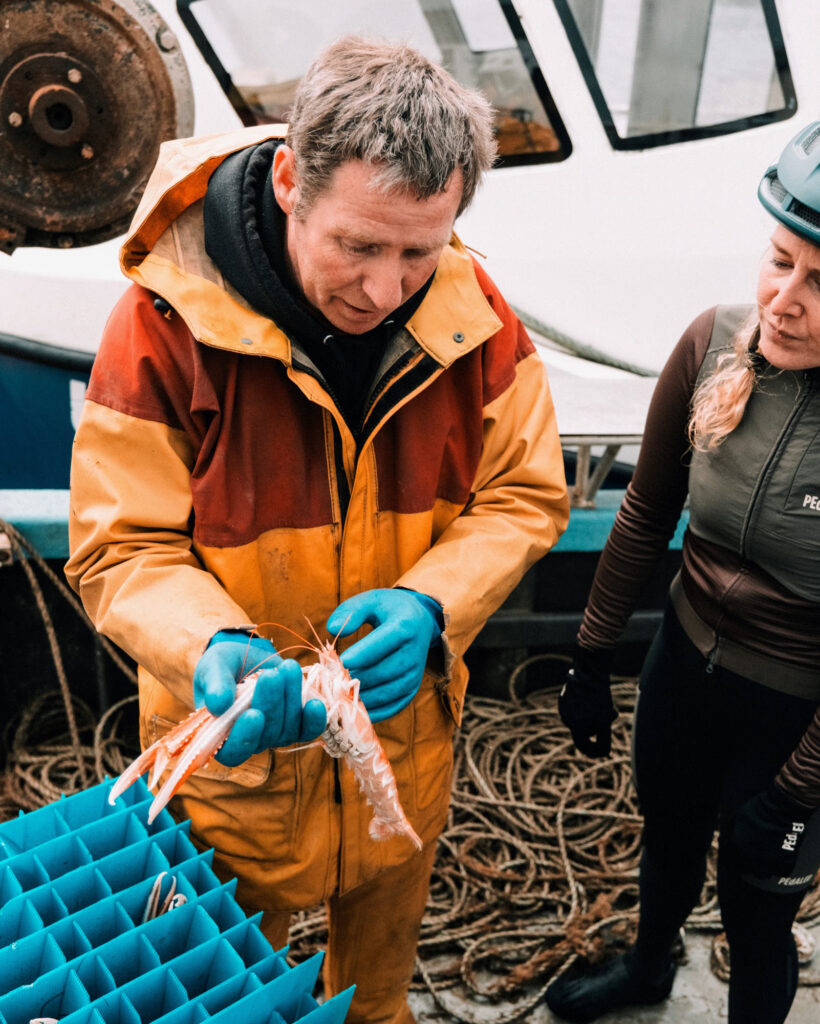
However, Philp remains optimistic about fisheries and conservation compatibility. His federation is testing “negatively buoyant rope” to reduce whale entanglement by 80 percent and combating “ghost fishing” with perishable panels.
He has helped grow the Our Seas coalition to 160 organizations petitioning the Scottish government to reserve 30 percent of inshore waters for low-impact fishing, as was the case from 1889 to 1984.
From his creel boat, Philp enjoys a more relaxed fishing environment beneath moorlands. His engine quietly ticks as clean pots emerge from the sea. Animal welfare is paramount, with prawns exposed to air for just seconds before being transferred to a tank.
“It’s like working in a pet shop. We care,” he said. “Loud noises could stress and kill the prawns.”
A world away from trawling, he’s taught his two sons to fish but wants them to work onshore. A decision rooted in the realization that neither ocean health nor the fishing industry will last.
“Trawlers limit where we fish, give us a bad name, and degrade the environment we rely on,” said Philp, advocating for a pro-fishing, pro-economy stance against trawling.
“Scotland could have more fishermen making more revenue with a smaller environmental footprint if not for trawlers.”
Original Story at insideclimatenews.org