California, often seen as the vanguard of American progressivism, is charting a unique path in the energy sector, diverging from the broader national trend of energy independence. The state’s commitment to aggressive climate policies has placed it in a precarious position amidst a global energy crunch.
Once a giant in domestic oil production, California now imports approximately 75% of its crude needs. In 2025, a third of these imports originated from the Middle East, marking a 22% rise from 2024.
This reliance on foreign oil is taking place as the United States celebrates a new era of energy dominance. Since being a major energy importer in 2005, the U.S. has transformed into an energy powerhouse, leading the world in oil and gas production, surpassing both Russia and Saudi Arabia by about 40% annually.
The surge in domestic production, fueled by the shale revolution and supportive energy policies, has kept inflation in check. This is crucial, as petroleum products are integral to manufacturing a wide array of consumer goods, from everything like lipstick to household cleaners.
Affordable energy has reportedly saved U.S. consumers about $800 billion annually from 2011 to 2024, as per Thunder Said Energy (TSE), an energy research consultancy. Despite recent increases, gas prices still remain over a dollar less per gallon than in 2011 and 2012, adjusted for inflation.
However, California’s approach to energy policy is markedly different. The state’s climate-focused initiatives have led to significant price surges, particularly in the wake of the Iran war. Gas prices in California hover around $6 a gallon, about $2 more than the national average. Diesel prices have surged to a record $7.75 a gallon.
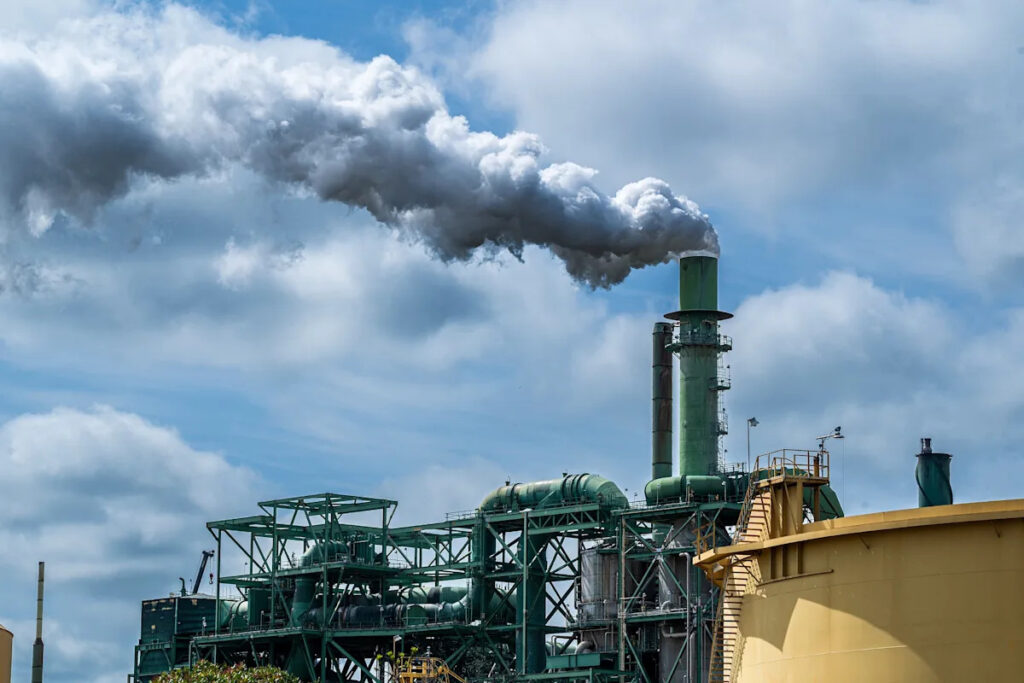
The state’s energy woes are attributed to anti-energy policies that have reduced refining capacity and curtailed production. Distribution and refining costs account for almost 30% of gas prices, exacerbated by the shutdown of operations by giants such as Valero and Phillips 66.
As a result, California increasingly depends on fuel imports from the Middle East and Asia to meet its consumption needs, second only to Texas. This reliance has been further strained by South Korea’s recent fuel export caps.

The state’s reliance on foreign energy resources also poses national security concerns. Existing refineries, crucial to supply around 50 military bases, have left these facilities vulnerable to global supply chain disruptions. Consequently, Energy Secretary Chris Wright has mandated the restart of the Santa Ynez pipeline under the Defense Production Act.
The economic implications are significant, as California’s renewable mandates have driven electricity costs up by 39 percent over the past six years and 96 percent from 2014 to 2024.
Governor Gavin Newsom has been vocal about moving the state away from fossil fuels, boasting of leading a global transition. Critics argue, however, that this approach merely outsources energy needs to regions with less environmentally friendly practices.
California’s strategy, often labeled as “climate leadership,” is being scrutinized for its economic and national security repercussions, as well as its reliance on unstable foreign regimes.
Original Story at www.yahoo.com