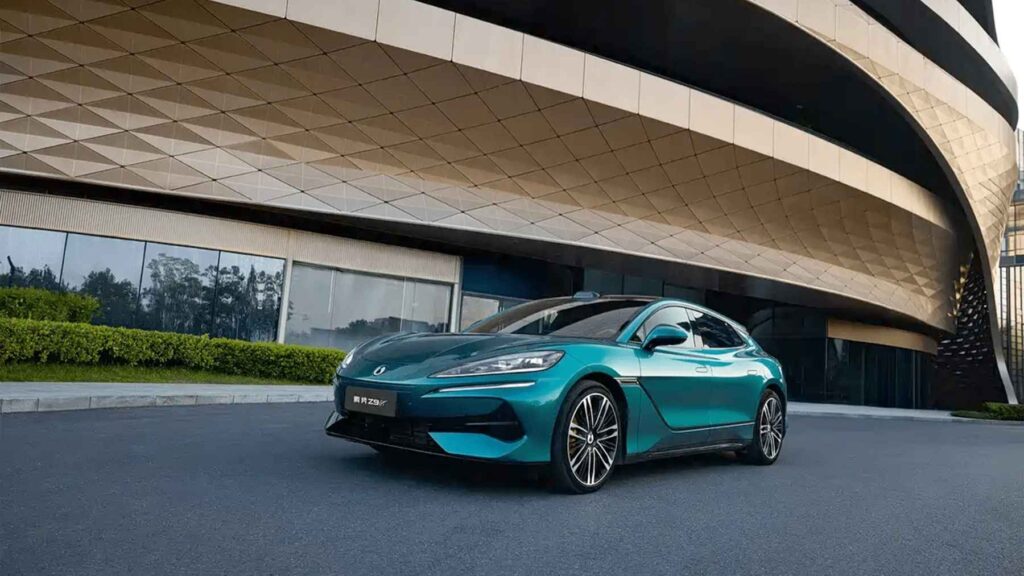
The world of luxury electric vehicles (EVs) is witnessing an ambitious challenge from an unexpected corner. BYD’s Denza Z9 GT, priced at an eye-popping $135,000, aims to compete with high-end automakers like Porsche. However, early reviews suggest that this Chinese EV might fall short of expectations in the ultra-competitive luxury market.
BYD’s Bold Move: Aiming for Luxury
BYD has taken a significant leap with the Denza Z9 GT, breaking the traditional mold of affordable, high-performance Chinese EVs. The car flaunts an impressive 1,140 horsepower and an exterior design that aligns with its ambitious “James Bond” marketing strategy in Europe. Yet, the hefty price tag has raised eyebrows, with critics questioning if it can lure drivers away from established European brands like Porsche, Audi, and Mercedes.
The Denza Z9 GT’s performance specs are undoubtedly remarkable, boasting rapid charging capabilities and a powerful engine. However, as BYD revealed its pricing, skepticism emerged regarding its ability to attract luxury car enthusiasts accustomed to the quality and prestige of European marques.
Performance and Luxury: Falling Short?
Despite its promising specifications, UK reviews highlight that the Denza Z9 GT might not deliver the luxury driving experience expected at its price point. Autocar noted that while the car accelerates quickly, its excitement diminishes beyond the initial speed burst. It reportedly struggles with body roll at high speeds and has numb steering feedback, compromising its luxury claims.
Car Magazine emphasized the noticeable weight of the vehicle, which affects its agility and handling. They remarked, “Not the most important thing on a car of this type, granted, but worth considering when the Porsche Taycan exists and with much more driver enjoyment.”
The interior, although equipped with features like reclining, heated, cooled, and massaging seats, falls short in terms of infotainment. The system has been criticized for resembling a basic Android tablet, prioritizing functionality over user experience. Such elements are crucial in the luxury EV market, where technology and refinement go hand in hand.
The Uphill Battle in the Luxury Segment
Autocar further noted that the Denza Z9 GT’s attention to detail is inconsistent, with features like electrically operated doors and a touchscreen that lacks the sophistication expected in high-end vehicles. “Ultimately, there are oddities that prevent it from feeling like a Porsche rival,” they commented, highlighting issues like inconsistent door operation and basic user interface design.
While the Denza Z9 GT can perform impressive maneuvers and charge quickly, these features might not be sufficient to sway potential buyers seeking a comprehensive luxury experience. The car faces an uphill battle in a segment dominated by brands that offer a blend of performance, luxury, and heritage.
A user on X summarized the sentiment, stating, “Can’t see it. Why do people buy Porsches? The racing pedigree, that track tech translated to the road, superior quality, everyday luxury practicality, driver vanity, customization options, and the emotional connection with the brand. Who is Denza?”
The Denza Z9 GT’s entry into the luxury EV market underscores the challenges Chinese automakers face in redefining their brand image. Until they can match the established quality and reputation of European luxury brands, the path to success in this segment remains uncertain.
Original Story at www.autonocion.com