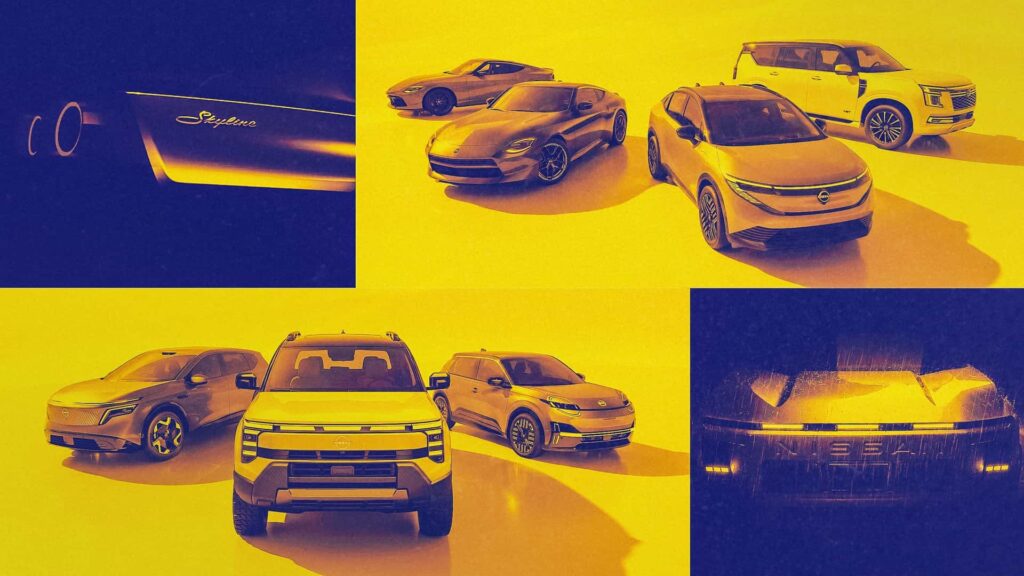
Nissan’s Vision: AI Integration, Hybrid Innovations, and Strategic Cuts
As the automotive industry pivots towards AI and hybrid technologies, Nissan is at the forefront of these changes. Recently, Nissan’s senior leadership, including CEO Ivan Espinosa, provided insights into the company’s roadmap over the next five years, highlighting advancements in autonomous driving and hybrid technology.
Nissan is making significant strides in AI with the introduction of its “AI Drive” technology. This system, designed to work with the existing ProPilot system, aims for a future of fully hands-free driving. During a demonstration in Tokyo, an Ariya equipped with multiple cameras and sensors navigated busy streets autonomously, showcasing the seamless integration of this technology.
The company’s ambitious plans include a partnership with Uber to introduce a fleet of autonomous taxis in Tokyo, with consumer vehicles to follow. Nissan anticipates that AI Drive will be featured in up to 90 percent of its future models.
Photo by: Nissan
In the US, affordable vehicles priced below $30,000 are becoming rare. The Nissan Versa’s recent exit from the market highlights this trend, largely due to tariff impacts. Espinosa noted, “There is demand… The question is how to get to the right price in this context.” Models like the Kicks and Sentra remain as entry-level options, but a sub-$20K replacement is not in the immediate future.
Nissan’s commitment to Continuously Variable Transmissions (CVTs) persists in smaller cars, yet they are being phased out in larger models like the Murano and Pathfinder. “I’m not gonna put a CVT in a Skyline,” Espinosa affirmed, indicating a shift towards traditional automatics for performance vehicles.
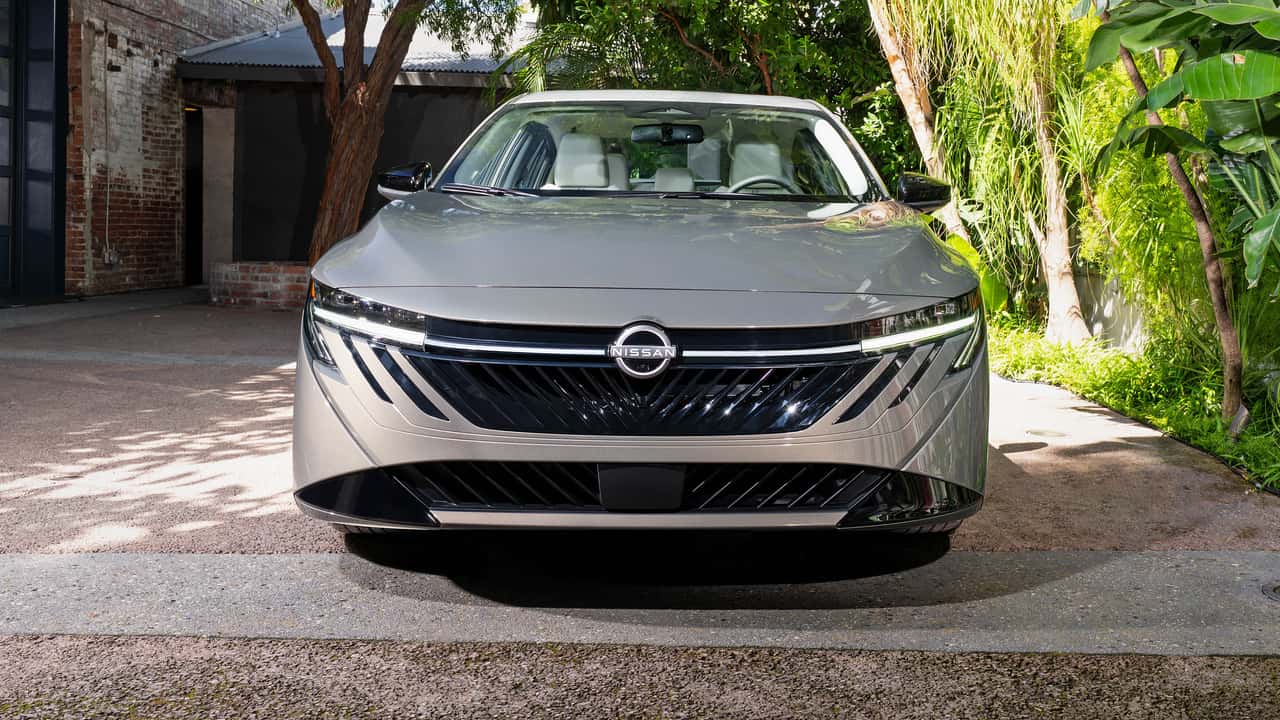
Photo by: Nissan
In the realm of hybrids, Nissan is introducing a new Rogue hybrid, featuring its E-Power system where a gas engine generates power for electric motors. This marks a significant evolution for the Rogue, one of Nissan’s key global models.
Additionally, Infiniti is gearing up to release a performance sedan with a manual transmission, potentially boasting over 400 horsepower. More information is expected later this year. Meanwhile, Nissan’s new four-door Skyline, inspired by its legacy, will not reach the US market. Instead, a similar model is expected to emerge under the Infiniti banner.
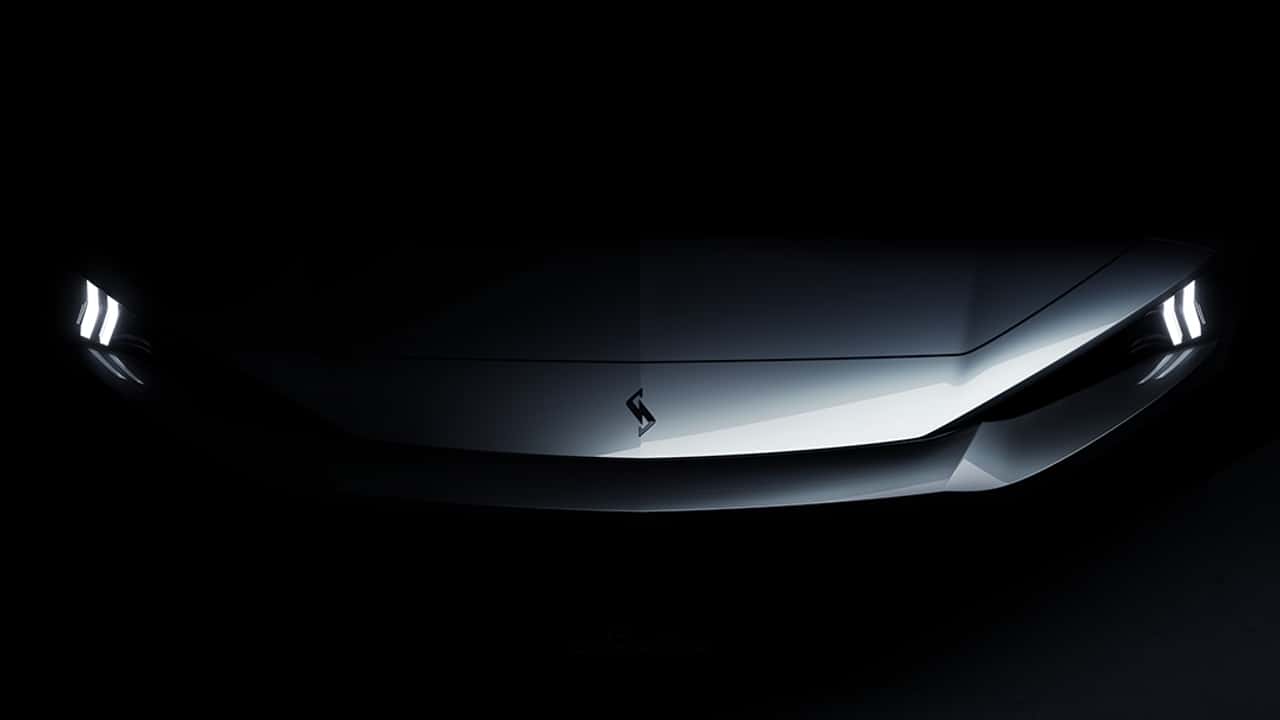
Photo by: Nissan
The revival of the Silvia name remains a possibility, with Nissan’s global head of product strategy, Richard Candler, expressing interest in its return. “The first car I ever bought was a Silvia,” he shared. “There’s still space for it—we just need the right solution.”
The development of the next-generation R36 GT-R will focus on hybrid technology rather than a full electric setup. Nissan executives have emphasized, “No EV GT-R,” with performance remaining a priority despite the shift towards electrification.

Photo by: Nissan
The Xterra is set to return as a rugged SUV, continuing with a V6 engine and potentially adopting hybrid technology. It will target a starting price below $40,000, though a manual transmission will not be offered.
Nissan is undergoing a strategic overhaul, planning to reduce its global lineup from 56 to 45 models to concentrate on profitable, high-impact vehicles. While the US market will see minimal reductions, some models like the Rogue PHEV might be discontinued. The focus will be on four categories: Heartbeat, Core, Growth, and Partner, spanning from mainstream offerings to enthusiast-focused models.
Original Story at www.motor1.com