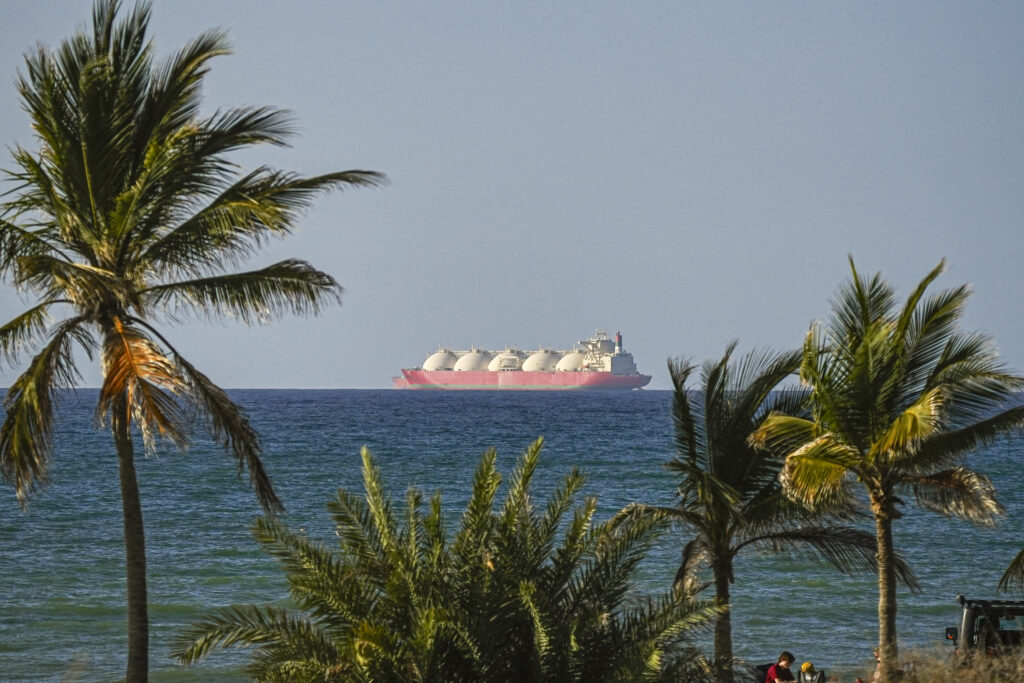
The conflict in Iran, nearing seven weeks, is prompting serious concerns about the global economy’s future, as reported by the International Monetary Fund (IMF) and International Energy Agency (IEA) on Tuesday. This follows a U.S. blockade of Iranian ports, disrupting a ceasefire announced on April 8.
Prior to the conflict, the IMF had predicted global economic growth, partly due to the artificial intelligence boom and eased trade tensions. However, the war is overshadowing these factors, noted Pierre-Olivier Gourinchas, IMF’s chief economist, in their World Economic Outlook.
Continued attacks on energy infrastructure and the prolonged closure of the Strait of Hormuz could trigger a global recession, according to the report. The Strait’s closure and damage to key facilities could lead to an unprecedented energy crisis, Gourinchas warned.
The IEA reported a global oil supply drop of 10 million barrels daily, reflecting the conflict’s impact. March saw oil prices surge to their highest monthly gain, highlighting the energy security threat, according to Fatih Birol, IEA’s executive director, speaking at an Atlantic Council event.
In the Middle East conflict, over 80 hydrocarbon facilities have been damaged, with repairs potentially taking two years, Birol stated. He suggested this could spur innovation in renewable energy, nuclear power, and electric vehicles, while coal power might also increase.
IMF and World Bank spring meetings in Washington discussed the war’s asymmetric impacts, particularly on energy-importing, low-income countries. A joint statement from IEA, IMF, and World Bank leaders highlighted rising oil, gas, and fertilizer prices, raising food security and job loss concerns.
The institutions reiterated their commitment to support affected countries with policy advice and financial aid. A group of 16 experts urged the IEA to offer guidance on reducing reliance on oil and gas markets, similar to their support for the EU after Russia’s 2022 invasion of Ukraine.
U.S. Treasury Secretary Scott Bessent, during an Institute of International Finance event, downplayed the need to shift from fossil fuels, supporting a perceived shift away from climate change efforts at the World Bank and IMF.
Robert Pape, a political science professor at the University of Chicago, warned about potential shortages beyond oil and gas due to the Strait of Hormuz shutdown. Global supplies of fertilizer and helium, linked to natural gas, are already affected.
Original Story at insideclimatenews.org