As the world gears up for COP31, the Pacific region finds itself at the heart of a critical examination of global climate diplomacy’s credibility. The stakes are high, with climate justice and leadership hanging in the balance against the backdrop of fossil fuel interests and geopolitical tensions.
Global Climate Concerns and Challenges
Recently, the global energy landscape has been reshaped by rising costs and security concerns, influenced by energy market volatility. In this climate, leadership is often seen as conditional, which raises the issue of climate justice. The challenge is not just to make ambitious commitments but to maintain them under pressure.
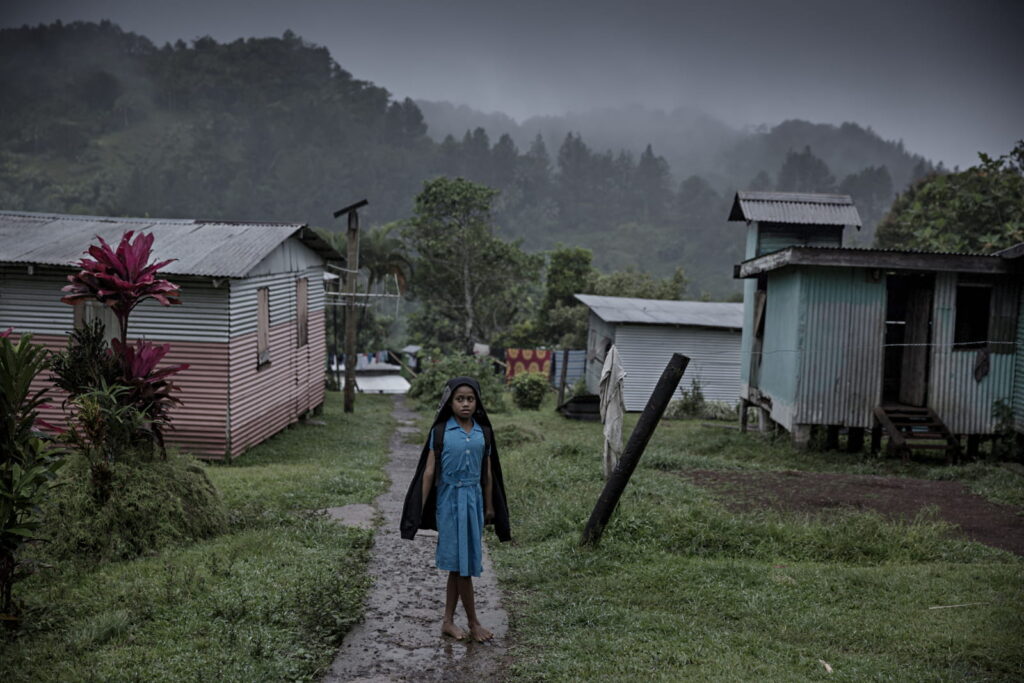
For Pacific Island countries, climate change is not a distant threat but an existential crisis. Climate justice requires that those with the capacity to act do so consistently, regardless of political or economic hurdles.
Limitations of Current Climate Governance
Critics argue that annual climate talks are overly procedural and slow to produce concrete results. Discussions remain dominated by state actors, with marginalized groups often excluded. Weak accountability in tracking Nationally Determined Contributions (NDCs) and climate finance exacerbates the gap between pledges and action.
For some states, delay is not a matter of strategy but of survival.
Innovations and Opportunities in Climate Action
At COP30 in Belém, a shift towards implementation was emphasized, highlighting the need for effective delivery mechanisms. The Global Mutirão aimed to operationalize climate ambitions, yet challenges persist within existing frameworks.
The upcoming Pacific pre-COP, a precursor to COP31, serves as a platform for prototyping reforms. Rather than replacing the COP system, it offers a chance to test more integrated and outcome-focused approaches. The Pacific region is well-suited to advance these reform directions.
To make meaningful progress, climate processes must prioritize action over negotiation. Areas such as adaptation finance and renewable energy transitions require focus beyond text-based agreements. A Pacific pre-COP could highlight how regional platforms accelerate implementation.
Additionally, inclusivity must extend beyond mere rhetoric. Integrating Indigenous knowledge, gender equity, and youth leadership into climate governance ensures responses are rooted in local realities. A pre-COP with these principles can model a more representative form of governance.
Strengthening accountability is crucial. Transparent monitoring tools and independent reviews are needed to bridge the gap between promises and performance. Hybrid governance models, blending multilateral and issue-specific coalitions, could drive faster progress in areas like ocean governance and energy transition.
The Pacific pre-COP challenges the view that climate leadership is conditional. The Pacific perspective emphasizes that for many, delay threatens survival. The COP system must evolve to accommodate this urgency.
Australia’s Role and Responsibility
For Australia, this moment presents both opportunity and responsibility. As a partner in the pre-COP31, it can play a vital role in shaping and supporting the agenda. With Minister Chris Bowen’s strong ties in the Pacific and his role in COP31 negotiations, Australia can lead the reforms long advocated by COP critics. Genuine commitment to elevating Pacific voices requires moving from principle to practice, aligning with the region rather than standing apart.
The Pacific pre-COP has the potential to redefine effective climate cooperation. In a strained system, its success could offer a new blueprint for global climate action.
Original Story at www.lowyinstitute.org