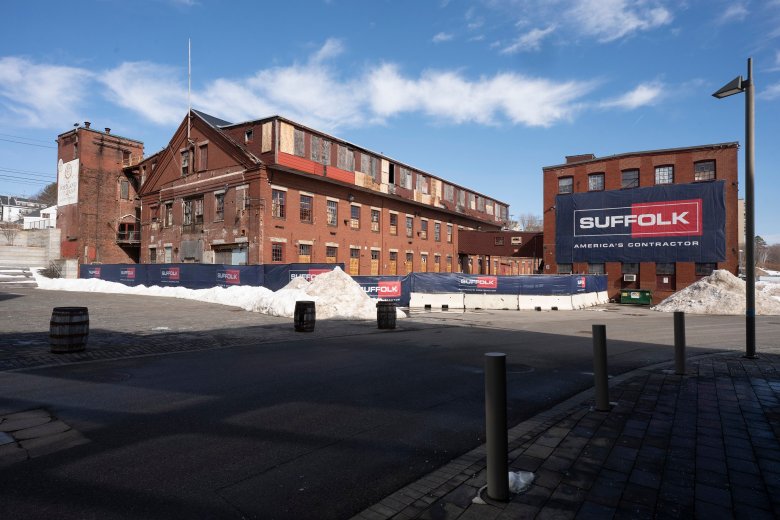
In a city known for its historic charm and maritime heritage, a modern energy solution is sparking conversation along Portland’s eastern waterfront. Developers are introducing a cogeneration plant to the area, a project that promises both innovation and controversy.
Development Details and Regulatory Considerations
The ambitious Portland Foreside Development project, now surpassing a $1 billion investment, includes plans for a natural gas-fired cogeneration plant. This facility, designed to supply electricity, heat, and hot water, marks a significant addition to the waterfront redevelopment. Initially absent from the 2023 master plan approved by the planning board, the plant received a state Department of Environmental Protection (DEP) license last summer.
The Maine Public Utilities Commission (PUC) is set to deliberate on whether this plant requires regulation as a public utility. In written comments, Barbara Vestal, a former planning board chair, criticized the plant as a “major deviation” from previous city-approved plans, echoing concerns about emissions.
What Is a Cogeneration Plant?
The proposed Combined Heat and Power (CHP) plant aims to enhance energy efficiency by capturing heat during electricity production, using natural gas as its primary energy source. According to the U.S. Department of Energy, CHP systems can achieve efficiencies between 65% and 75%, outpacing traditional methods that separately produce electricity and heat.
These facilities are designed to reduce carbon emissions and operational costs while integrating renewable energy and improving resilience during emergencies. With over 4,400 CHP plants in the U.S., including 20 in Maine, they are a well-established technology.
Location and Infrastructure Details
Set to be constructed in 2027, the cogeneration plant will reside within the Harbor Hill apartment complex, a component of the project’s third phase. This 10-megawatt plant will feature four generators and eight boilers, located at ground level close to Fore Street’s retaining wall.
The DEP license mandates exhaust stacks of at least 114.2 feet tall, with generator stacks 2 feet in diameter. Developers are considering ways to enclose or screen these structures to minimize visual impact and ensure compliance with noise standards.
Project Visibility and Regulation
The plant’s visibility from Fore Street varies with perspective, though Casey Prentice, the development’s managing partner, assures the design adheres to site plan standards. Prentice emphasized that the equipment is typical for urban settings, suggesting it would go unnoticed without deliberate attention.
City officials remain uncertain about the plant’s regulatory compliance, pending submission of detailed plans. The potential for a revised site plan or additional reviews has not been ruled out.
Environmental and Safety Considerations
Concerns about the plant’s alignment with Portland’s climate action goals are prominent. Bill Weber from the Portland Climate Action Team highlighted that the plant could significantly contribute to the city’s carbon footprint, conflicting with local targets for emission reductions and state objectives for a clean energy grid.
Despite these concerns, Prentice claims the cogeneration approach will cut carbon emissions by 38% compared to conventional electricity and boiler systems and improve energy efficiency as the grid evolves.
Neighborhood Impact and Energy Provision
The DEP has set stringent pollution limits and standards for the plant to safeguard public health. Prentice reassures that the plant, categorized as a minor air emission source, will not detract from the neighborhood’s value.
Operating under Foreside Utility Co. LLC, the plant will offer energy services to local tenants at competitive rates. Prentice affirmed, “We will under no circumstances be more expensive than CMP,” ensuring cost-effectiveness for residents.
The cogeneration plant represents a pivotal development in Portland’s waterfront revival, balancing modern energy solutions with community and environmental considerations.
Original Story at www.pressherald.com