
CORPUS CHRISTI, Texas—Corpus Christi faces a looming water crisis that threatens to disrupt jet fuel supplies to Texas airports and impact oil exports from one of the nation’s key petroleum ports. This could have far-reaching effects on energy markets in Texas and beyond.
Without significant rainfall, the city is heading toward a “water emergency” in the coming months, as indicated by official sources.
“Impacts will be felt across the state, possibly internationally,” said Sean Strawbridge, former CEO of the Port of Corpus Christi Authority, in an interview. “We’ve been discussing this issue for over a decade.”
Officials fear an economic crisis could occur, leading to mass layoffs and disruption of fuel supplies, potentially requiring billions in emergency spending to prevent a city evacuation.
Strawbridge, now in Houston, criticized city leaders for their “lack of experience and recognition of risks” in failing to establish a seawater desalination plant to avert the impending crisis. “Time is up,” he said.
Corpus Christi Mayor Paulette Guajardo and City Manager Peter Zanoni did not provide comments. Instead, city spokesperson Robert Gonzales stated via email, “The water shortage is due to a historic five-year drought. The City is undertaking $1 billion in water projects to secure water for over 500,000 residents and businesses.”
Depletion of reservoirs would severely impact the local economy, lead to mass unemployment, and shut down industries, according to a report by Don Roach, former assistant general manager of the San Patricio Municipal Water District.
Roach, who retired in 2014, noted that emergency measures could bankrupt small businesses and low-income households. State emergency managers might need billions to build temporary pipelines or subsidize desalination barge rentals to avert a city evacuation. Strawbridge agrees with Roach’s assessment.
“No Time to Panic”
During a press conference, City Manager Zanoni downplayed disaster concerns, despite the main reservoir, Lake Corpus Christi, falling below 10%. “We have confidence in our approach. This is no time to panic,” he stated.
Zanoni, holding a master’s in public administration, mentioned that the city had worked hard to address potential supply and demand issues. He suggested rain could help, saying the lake might last until early fall, buying time for new groundwater projects.
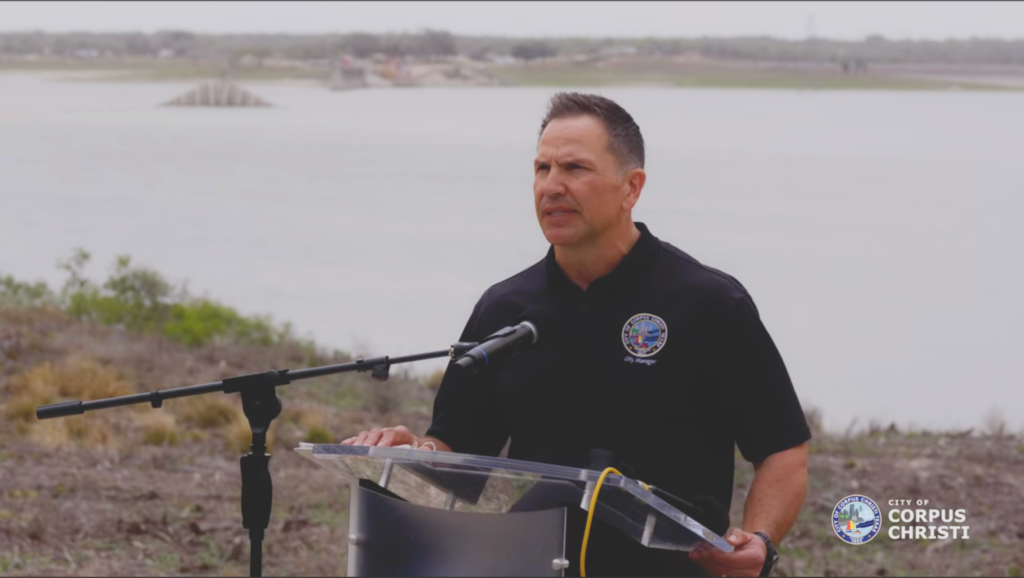
James Dodson, former water department director, disagreed, warning of an economic disaster. He criticized the city for dismissing opportunities to develop groundwater and focusing solely on desalination, doubting any new projects would be ready in time.
A regional water official, speaking anonymously, noted the city is now pursuing projects they should have started years ago. A 20- to 30-inch rainfall, he said, might be the last hope to prevent disaster.
Texas Gov. Greg Abbott’s spokesperson, Andrew Mahaleris, did not address specific concerns but emphasized state investments to ensure water resources in the area.
“I Wouldn’t Say That It’s a Disaster”
According to the city’s water dashboard, Corpus Christi is months from a “Level 1 Emergency,” requiring a 25% water consumption cut. Yet, implementation plans remain unclear.
Industrial users, the main consumers, are exempt from emergency cutbacks. Their operations cannot easily adjust to water availability, as they rely on large water volumes for cooling systems.
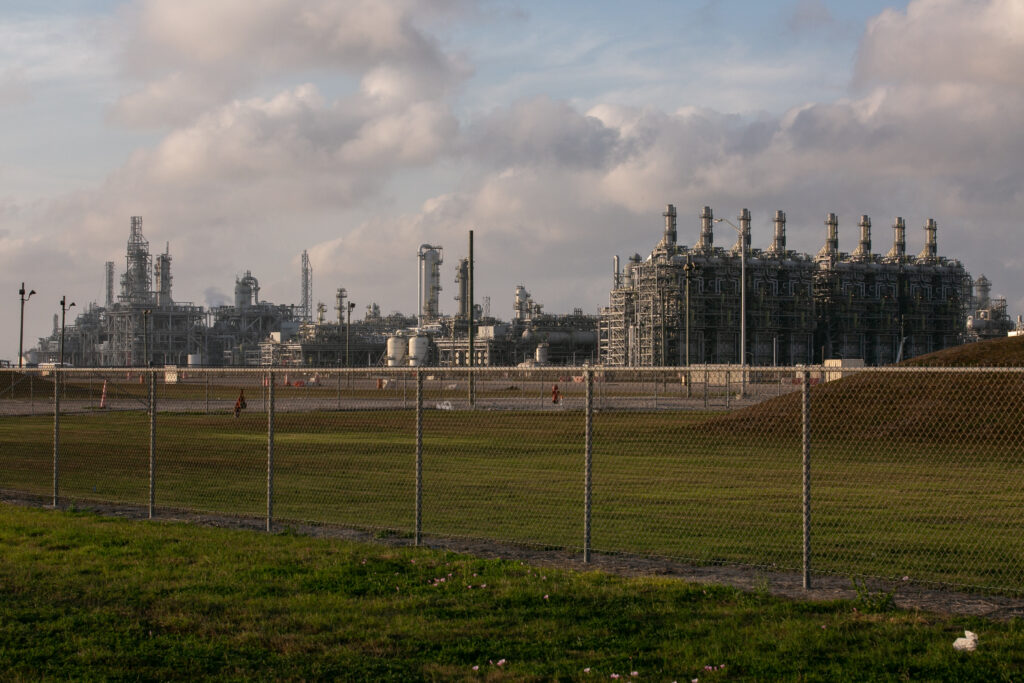
Corpus Christi could enact pro-rata curtailments, said Nick Winkelmann, interim chief operating officer of Corpus Christi Water. He noted pricing as a potential tool for water restriction.
Local business leaders viewed desalination as key to overcoming water shortages. However, the plan has driven the region to the brink. “It has not gone smoothly,” said Bob Paulison, a project architect.
He cited political disputes and the pandemic as reasons for delays. Paulison expressed faith in the city’s ability to complete new water projects in time, though he acknowledged Roach’s dire report.
Charles McConnell, a former assistant energy secretary, criticized the lack of preparedness and planning, questioning why refineries lack their own desalination facilities.
Rapid Expansion Followed the Shale Boom
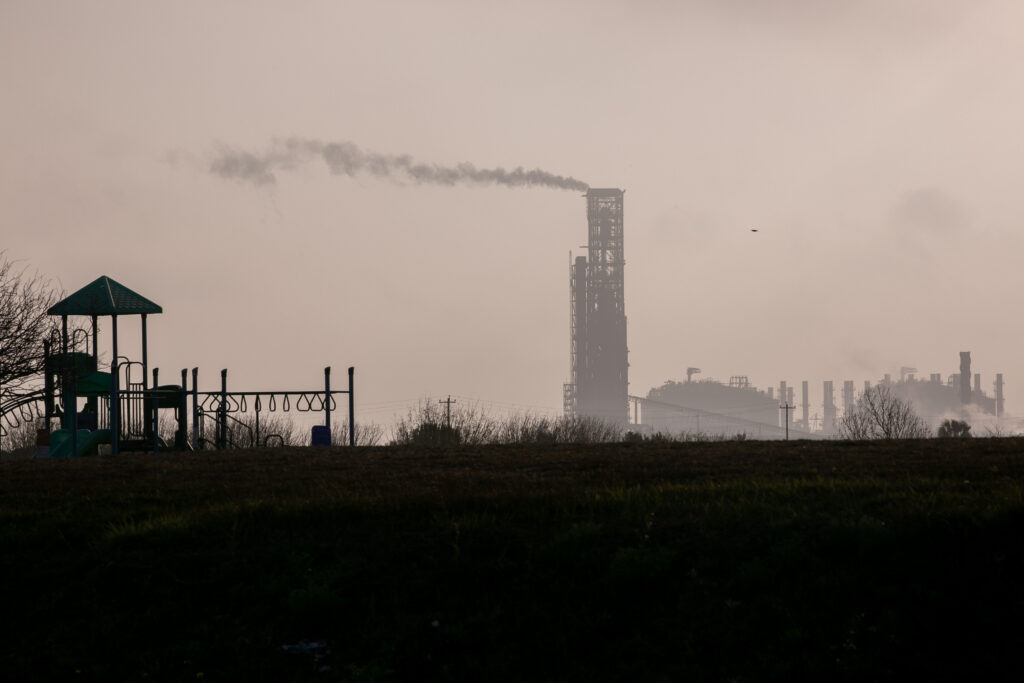
The water crisis roots trace back to rapid industrial growth following the Texas shale boom. As major projects moved in, water shortages were anticipated. Abbott toured Israel’s desalination plants in 2016, followed by industry calls for desalination due to Coastal Bend’s growth.
In 2017, then-city manager Margie Rose assured ExxonMobil of sufficient water, shortly before seeking funding to study desalination feasibility. However, a divergence emerged between the city and the port regarding water availability forecasts, leading to separate desalination plans.
In 2018, new city leadership promised substantial water to industrial users while exempting them from drought restrictions for a fee. By 2019, the city initiated plans for a desalination facility to meet projected water demand increases.
The Emerging Solution: Four Desalination Plants
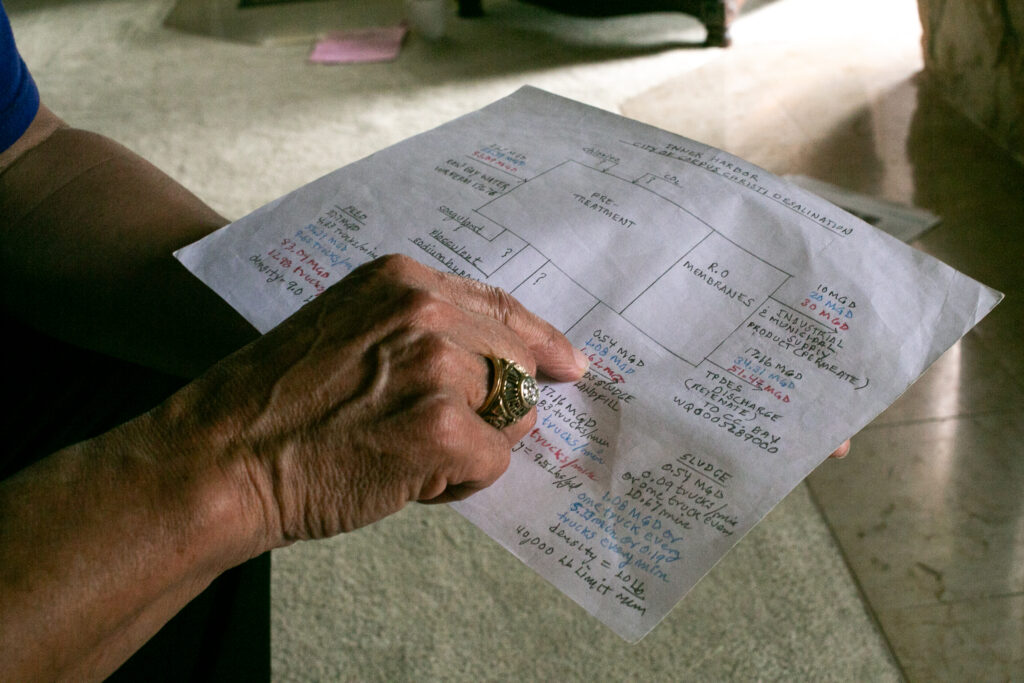
The city proposed two desalination plants, and the port proposed an additional two. This led to concerns from residents like Encarnacion Serna, a retired engineer, who questioned unrealistic expectations and missing information in project applications.
Sounding the Alarm
Serna raised alarms about flawed desalination plans and potential environmental impacts. His warnings were largely ignored, and he fears the current crisis was preventable.
In 2022, Exxon-Saudi’s Gulf Coast Growth Ventures began operations without the promised desalination facilities. Political disputes and environmental concerns stalled progress as the situation worsened.
Activists opposed desalination as a means to resist petrochemical expansion. City Council member Barrera noted growing fear as turnover hindered project advancement.

It All Falls Apart
In 2022, Strawbridge led a delegation to Israel to study desalination, ultimately prompting Texas legislation for a $1 billion water fund. However, controversy over the trip’s cost led to Strawbridge’s resignation.
The Texas heatwave in 2023 exacerbated the situation, leading to a $550 million desalination cost estimate. Serna criticized the figure as deceitful, given the lack of engineering plans.
Continued controversy and escalating costs led to the project’s cancellation in 2025, amid public outcry. Hopes now rest on groundwater projects and significant rainfall to avert disaster.
For residents, the crisis may echo past challenges, relying on alternative water sources as industries seek long-term solutions.
Original Story at insideclimatenews.org