Massachusetts Energy Bill Sparks Debate Over Proposed Revisions and Cuts
A significant legislative proposal concerning energy policy is rapidly advancing through the Massachusetts House. This 105-page bill, slated for a vote on Thursday, presents substantial changes that could impact energy costs and climate policy across the state, leaving legislators with only two days for a thorough review.
The bill, originally introduced as H.4144, under the title An Act relative to energy affordability, was first proposed by Governor Healey’s administration last summer. This marks the third iteration of the bill, following a revision known as H.4744, which faced significant opposition from environmental groups, including the Sierra Club, leading to further amendments. Despite improvements, the bill still faces criticism for several aspects, notably a controversial $1 billion cut to the MassSave program.
The process surrounding this bill has drawn criticism for its lack of transparency and limited input from residents and rank-and-file legislators. Massachusetts, known for its leadership in energy efficiency, is faced with potential setbacks in its climate commitments, especially with the federal government shifting its stance in these areas.
Mass Save programs have been crucial in reducing energy costs for residents by minimizing the need for additional electricity generation and creating job opportunities related to energy efficiency. Concerns have been raised that inconsistent funding could lead to business uncertainty, akin to the impact of previous tariff fluctuations.
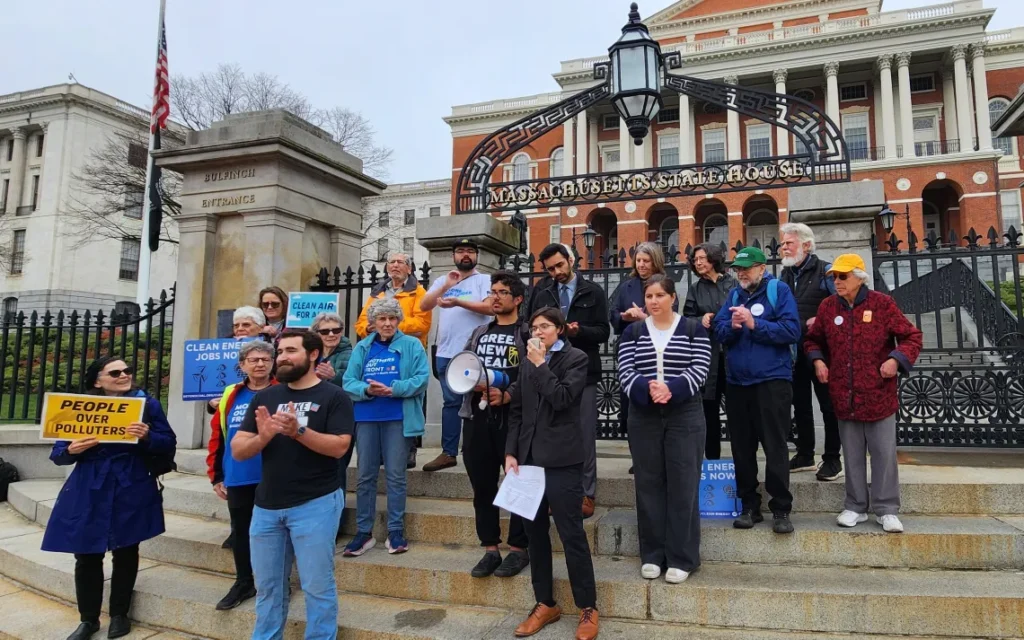
Advocates urge continuous investment in addressing energy affordability issues and preventing misuse of ratepayer funds for purposes such as lobbying. Residents are encouraged to contact their state representatives to advocate for sustained funding for MassSave and other critical amendments:
Key Areas for Improvement
- Reduce utility spending on lobbying and executive perks to save ratepayers money, aligning with H.3400 / S.2239.
- Cut spending on the Gas System Enhancement Plan (GSEP), a significant contributor to high energy bills.
- Prohibit gas system expansion near environmental justice communities, as per H.3547 / S.2290.
- Preserve the 1982 referendum requirement for new nuclear energy ballot approval.
- Ensure Alternative Compliance Payments fund renewable energy and efficiency programs.
Positive revisions in the latest bill include maintaining the 2030 climate goals, eliminating subsidies for biomass burning, and removing the “pipeline tax” proposal. The bill further encourages solar energy expansion and simplifies the permit process for solar installations, alongside maintaining protections for low and moderate-income residents.
The current version introduces beneficial regulations for labor and geothermal heat generation, doubling the municipal net metering cap, and authorizing 10 gigawatts of solar energy.
Original Story at www.sierraclub.org