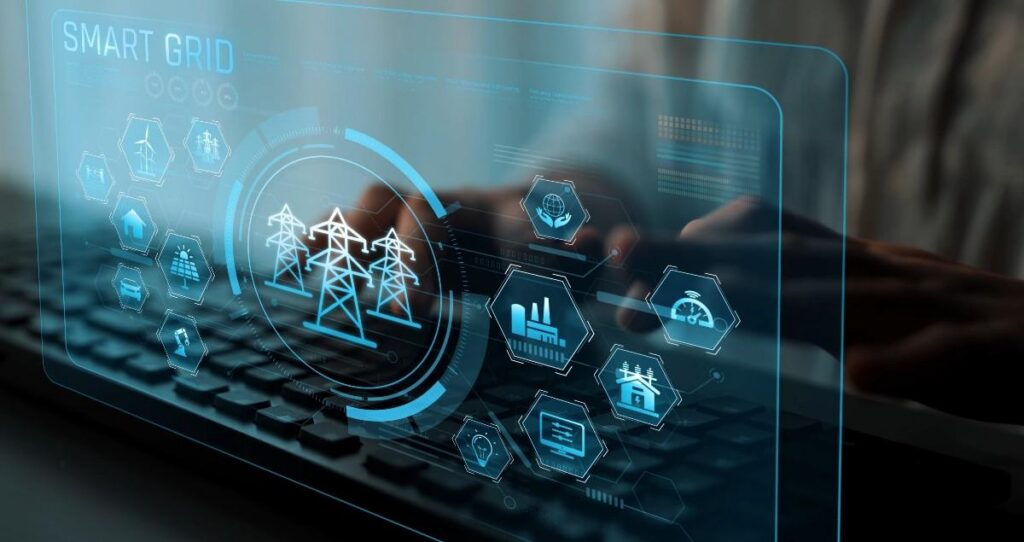
Imagine an orchestra where each instrument, from strings to percussion, contributes to a harmonious symphony under the guidance of a conductor. Similarly, a virtual power plant (VPP) brings together various decentralized energy resources to form a unified and efficient power-generating entity.
Virtual power plants merge distributed energy assets like solar panels and electric vehicles with advanced digital technologies to create a cohesive energy solution that enhances grid stability. As the global energy landscape evolves, these networks are becoming increasingly vital in meeting growing electricity demands.
Understanding the Mechanism of VPPs
The global shift towards distributed energy resources (DERs) is accelerating as small-scale energy solutions like rooftop solar panels and wind turbines are increasingly adopted. These resources, often located near electricity consumption sites, are complemented by energy storage systems such as batteries and electric vehicles, which double as DERs when connected to charging infrastructure.
Typically managed by local utility companies, VPPs aggregate these resources and utilize technologies like smart meters and artificial intelligence to facilitate real-time system management. This integration enables effective monitoring and control across the network.
The Advantages of Adopting VPPs
VPPs offer a cost-effective and rapid deployment option for managing a vast array of devices, optimizing power availability, and enhancing grid resource efficiency. During high-demand periods, VPPs can strategically discharge batteries or utilize other resources to maintain grid balance, eliminating the need for large traditional power stations. In Puerto Rico, for instance, residential solar batteries connected to a VPP help stabilize the power grid by supplying energy during deficits.
Beyond grid stability, VPPs can lower electricity bills and offer financial incentives to consumers and businesses that contribute stored energy during peak demand times.
Global Expansion of VPPs
VPP initiatives are gaining traction worldwide, from pilot projects in Latin America to large-scale operations in Europe. Europe’s leading VPP, with over 10 GW of capacity from more than 1,000 generators, exemplifies the scale and impact these networks can achieve. In the UK, advanced technologies are coordinating 2 GW of flexible capacity across a multitude of devices to manage peak energy demands.
Governments in regions such as Australia and China are incentivizing VPP development through supportive policies. In the United States, federal backing highlights the potential of VPPs to enhance grid flexibility and affordability, with projections of deploying significant capacities by 2030.

VPPs’ Role in Data Centers
In regions like the US, data centers are driving the need for flexible energy solutions due to their substantial electricity requirements. VPPs are being leveraged to provide rapid capacity adjustments to accommodate this demand surge. The US has seen notable VPP capacity growth, particularly in areas with expanding data center infrastructures.
Collaborations between tech companies and energy firms are on the rise, with projects integrating home batteries and smart devices to deliver dispatchable power. For instance, Google is working with VPP operator Voltus to manage 100 MW of flexible assets, ensuring grid stability during high-stress periods.
The Emergence of ‘Prosumers’
The rise of VPPs is becoming increasingly tangible, according to Wood Mackenzie. However, their expansion faces challenges such as regulatory complexities and public trust concerns. Despite these hurdles, the International Energy Agency views the potential of VPPs as particularly promising.
Projections indicate a significant increase in homes and businesses adopting DERs, with an EU study suggesting that over 80% of households could become ‘prosumers’ by 2050. This shift towards self-sufficient energy production and consumption is poised to benefit consumers, energy providers, and governments alike.
Original Story at spectra.mhi.com