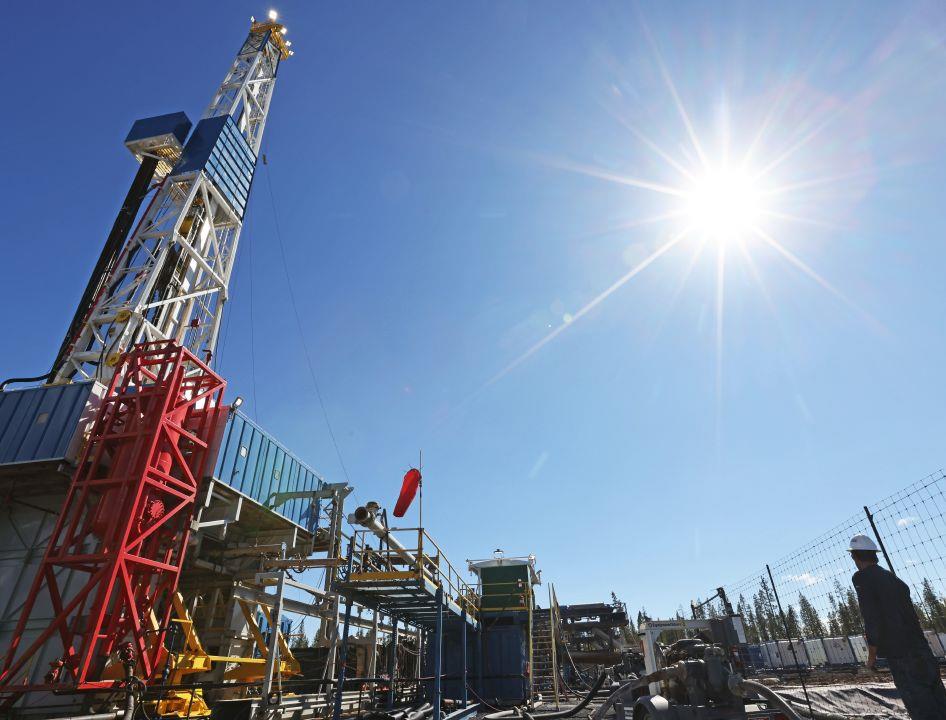
In a significant move towards advancing geothermal energy, Quaise Energy has entered into a purchase agreement with Google. This collaboration is set to develop superhot geothermal energy near Bend, Oregon, with the possibility of electricity production by 2030.
This agreement is a crucial milestone for Project Obsidian, which is being developed on Bureau of Land Management land, located south of the Newberry National Volcanic Monument, approximately 20 miles from Bend. The primary goal of this project is to harness deep underground heat to supply electricity for Google’s data center operations in The Dalles.
While financial specifics of the agreement remain undisclosed, the partnership ensures a significant customer for the project’s initial phase. This phase revolves around the establishment of a 50-megawatt power plant.
Harry Kelso, a spokesperson for Quaise, highlighted the potential economic benefits the power plant could bring to Central Oregon. Kelso stated, “To date, we’ve injected more than $6 million into Deschutes County businesses as part of Project Obsidian, and we expect that local impact to continue as the project advances.”
The development is anticipated to create between 200 and 400 construction jobs and over 50 permanent roles in engineering and operations, according to Quaise. The company has already drilled its first well at the site, expected to reach a depth of about 15,000 feet. While initial development uses conventional drilling techniques, future phases plan to introduce experimental technology that utilizes concentrated electromagnetic energy to penetrate hard rock, aimed at reaching extremely high geothermal temperatures.
Quaise projects that these superhot geothermal systems could yield up to ten times more electricity per well compared to traditional systems. Google’s involvement dates back to 2006 in The Dalles, with the company now operating three data centers in the region. These centers reportedly use 83% carbon-free energy, with the new agreement further enhancing Google’s clean energy investments.
The tech giant has poured over $7 billion into Oregon over the past two decades. However, data centers have recently faced scrutiny due to their substantial energy and water requirements, with around 75% of Americans now opposing their construction nearby.
Jamie Collins, Deschutes County Commissioner-elect, emphasized the need for “transparent and deep engagement with our community.” He urged for public outreach with tribal nations and local organizations to discuss potential energy distribution to Central Oregon residents and businesses.
Collins remarked, “I’m excited that Central Oregon could become a net exporter of clean energy, but right now our county doesn’t have enough energy of any kind — or enough of the basic infrastructure like power lines — to meet our own needs over the next five years.”
Project Obsidian operates independently from another geothermal initiative by Mazama Energy in the Newberry area. Both ventures focus on enhanced geothermal systems that exploit engineered underground reservoirs rather than natural hot-water sources.
In August, Quaise announced a successful $180 million Series B financing round, which included a $35 million investment from Nabors Industries, a drilling contractor. The ultimate aim is to expand Project Obsidian’s capacity beyond the initial 50 megawatts, potentially reaching 250 megawatts or more, contingent upon viable geothermal resources.
Original Story at rv-times.com