Unlocking the Potential of Waste Heat in the Great Lakes Region
The Great Lakes region is sitting on a largely untapped source of clean energy. As the demand for electricity rises, innovative solutions are being explored to transform waste heat from power plants, data centers, and sewers into usable energy. This approach could significantly reduce carbon emissions and stabilize energy costs.
A staggering amount of energy is currently wasted. For instance, two-thirds of the energy from the Pickering Nuclear Generating Station near Toronto is released as heat into Lake Ontario. Similarly, data centers convert nearly all their incoming electricity into heat, which requires substantial energy and water to dissipate.
Despite the proven technology for waste-heat recovery, the United States faces challenges in adopting these systems. “It’s not a technology issue,” says Luke Gaalswyk, CEO of Ever-Green Energy. “The engineering of this is well understood. It’s an awareness issue, it’s a funding issue, it’s a priority issue.”
A shift towards utilizing waste heat could lower energy costs, reduce dependency on fossil fuels, and decrease land disturbances from new infrastructure. However, significant changes in public policy and perception are essential for widespread adoption.
Emerging Energy Solutions
As electricity demand grows, especially with the push for electrification, innovative thermal networks like district heating systems are gaining attention. These systems, which have been around for over a century, distribute heat via hot water or steam. Cities such as St. Paul and Toronto are already using district heating and cooling systems.
Paul Kohl, chair of the Sewer Thermal Energy Network, advocates for tapping into the heat within sewer systems. This method can significantly reduce electricity demand compared to conventional air-source heat pumps. “They can’t get enough electricity from the supplier,” Kohl notes, pointing out current limitations in electricity supply.
Despite the potential, public aversion and utility reluctance are significant obstacles. Utilities prioritize regulatory compliance over exploring new waste-heat recovery opportunities.
Pioneering Projects
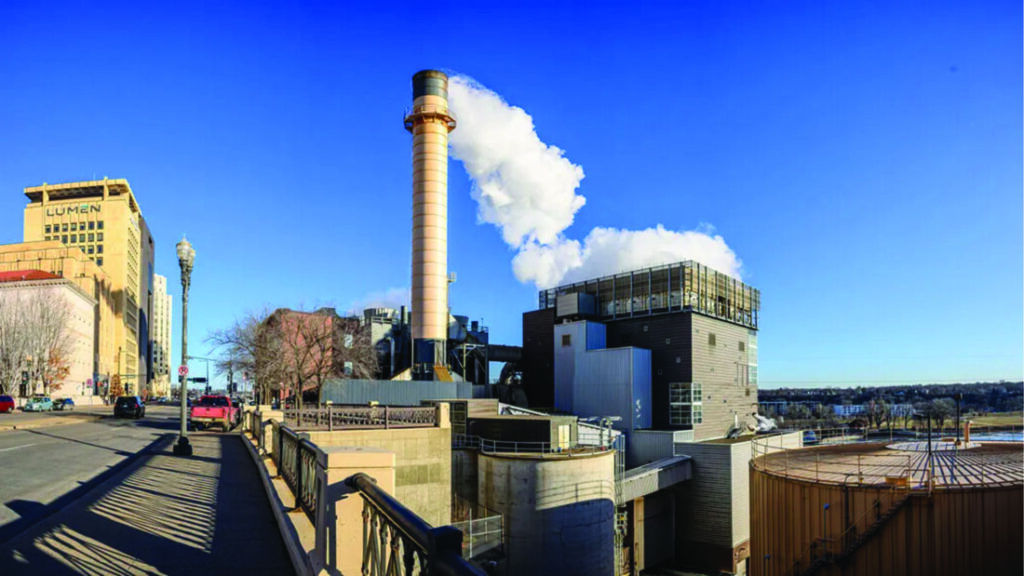
Examples of leadership in waste-heat recovery can be found throughout the Great Lakes region. Ever-Green Energy in St. Paul plans to utilize wastewater heat from a local treatment plant, a project that could replace natural gas in the city’s district heating system.
In Toronto, Noventa has developed the largest raw sewage thermal system at Toronto Western Hospital, providing 90% of its heating and cooling needs. Enwave, another energy company, operates the Deep Lake Water Cooling system and is exploring further waste-heat recovery projects.
In Lansing, Michigan, Deep Green has proposed using waste heat from a new data center to supply a district heating system, highlighting the potential to repurpose energy-intensive operations for community benefit.
Challenges and Opportunities
North America lags behind countries like Sweden and China in waste-heat reuse. Without policy incentives, such as tax breaks or efficiency standards, electric companies and other stakeholders lack motivation to innovate. Massachusetts and New York have taken steps with feasibility studies and regulatory frameworks, but more widespread efforts are needed.
Gaalswyk emphasizes the importance of integrating waste-heat recovery into early project designs, stating, “A really important aspect of that is heat recovery, free heat. Again, it’s not a technology issue.”
As the region explores these energy solutions, collaboration between diverse stakeholders will be crucial to harnessing the full potential of waste heat.
Original Story at www.miningjournal.net