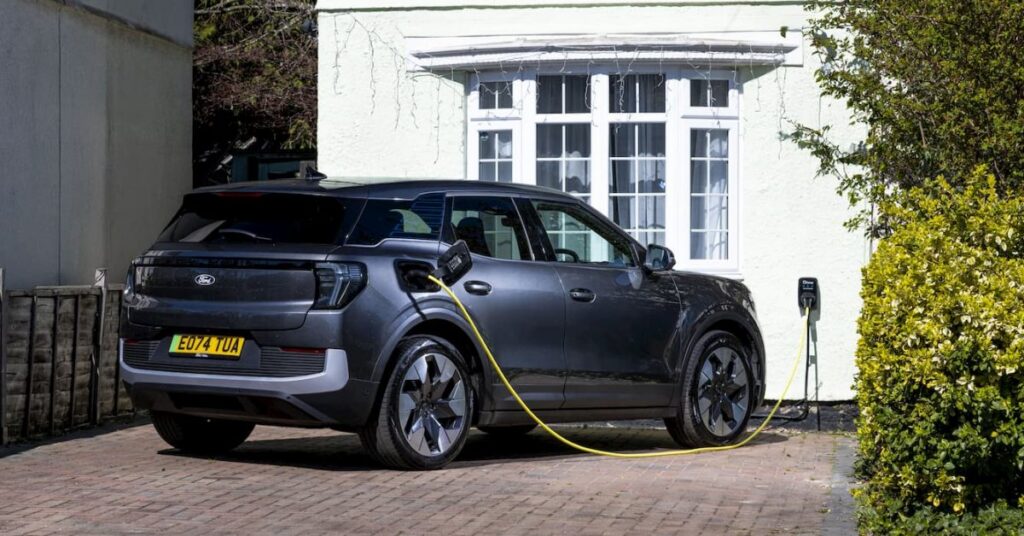
The UK is at a crossroads as it considers modifying its electric vehicle (EV) policies amidst escalating oil prices and a backdrop of climate challenges. Despite the hurdles, EV sales are accelerating, aligning with governmental targets and reflecting a shift toward sustainable transport solutions.
Initially, the UK’s EV strategy aimed for a complete transition to EVs by 2040. This has been adjusted multiple times, ultimately setting the goal at 80% EV sales by 2030, with the remaining sales consisting of hybrids, and a total ban on new combustion-engine vehicles by 2035.
Geopolitical Influences on EV Adoption
Geopolitical tensions have further highlighted the benefits of EVs. The ongoing conflict in Iran has caused global oil prices to surge, making the UK’s petrol prices among the highest globally, with averages of £1.62 per liter for petrol and £1.92 per liter for diesel. This scenario has driven UK households to rapidly adopt solar systems, EV chargers, and heat pumps.
An increase in domestic renewable energy sources like solar and wind power is empowering UK residents to potentially charge their EVs at no cost during periods of energy surplus. Moreover, transitioning to EVs enhances national security by reducing dependency on foreign oil, a vulnerability underscored by past geopolitical disruptions.
Climate Change and Its Implications
The UK is grappling with extreme climate conditions, experiencing its hottest summer on record and widespread droughts. These climate phenomena are attributed to fossil fuel emissions, with transportation being the largest contributor to the UK’s carbon footprint. A government report warns of severe threats to food security if climate action is not prioritized.
In addition to combatting climate change, EVs contribute to cleaner air, as evident from London’s success in improving public health through taxing polluting vehicles. The country is also dealing with unprecedented wildfires, a stark reminder of the urgent need for sustainable practices.
Surging EV Sales in the UK
In light of these challenges, the UK is witnessing a surge in EV sales, surpassing government expectations. By the end of 2025, the nation was already on track to meet its 2026 EV targets, with a notable increase in market share. Recent months have seen record sales, with battery electric vehicle (BEV) sales up by 44.5% year over year. Currently, nearly 40% of new UK car sales are plug-in vehicles.
The economic advantage of EVs is becoming more pronounced, as they now offer a lower upfront cost compared to petrol cars, thanks in part to the absence of tariffs on Chinese EVs in the UK.
Industry and Government Dynamics
Despite the positive trajectory, there are discussions within the government, led by Prime Minister Andy Burnham, about revisiting EV targets. Influenced by industry lobbying, a consultation to potentially adjust the 2030 goal could occur soon, with considerations to lower the target to between 50-70% EV adoption.
This stance contrasts with previous efforts to strengthen EV policies, highlighting a complex interplay between political agendas and industry pressures. The outcome of this consultation will be pivotal in shaping the UK’s commitment to sustainable transportation and energy independence.
Continuing the UK’s Progress
Amidst these developments, maintaining robust EV targets is crucial for the UK’s energy security and environmental goals. As the nation continues to lead in decarbonization efforts, it is imperative to support policies that facilitate the transition to EVs, ensuring a sustainable future for all.
Charge your electric vehicle at home using rooftop solar panels. Find a reliable and competitively priced solar installer near you on EnergySage, for free. They have pre-vetted installers competing for your business, ensuring high-quality solutions and 20-30% savings. It’s free, with no sales calls until you choose an installer. Compare personalized solar quotes online and receive guidance from unbiased Energy Advisers. Get started here. – ad*
Original Story at electrek.co