Rising Typhus Concerns in Los Angeles: How to Stay Safe
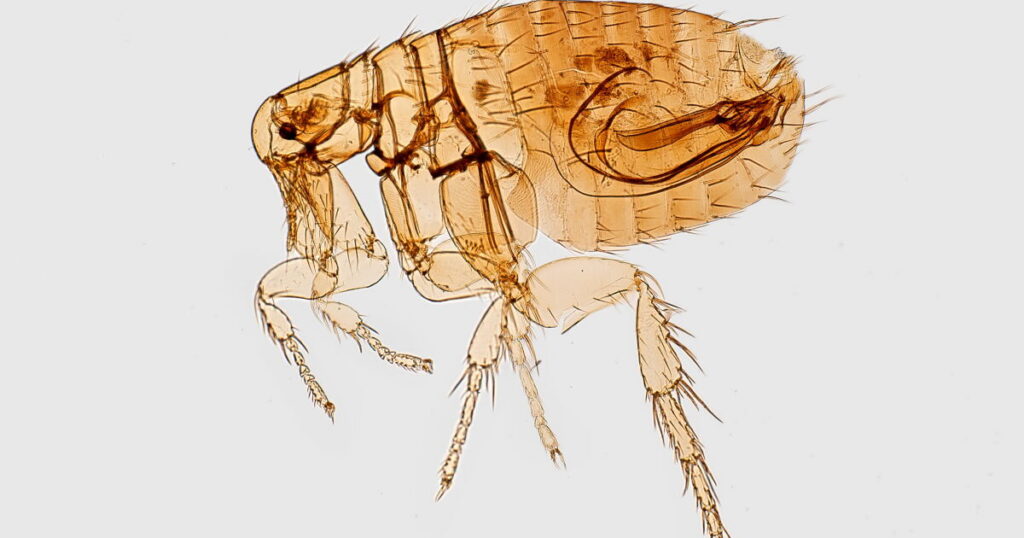
Typhus, a flea-borne disease, has recently seen a significant spike in cases in Los Angeles, prompting public health officials to issue warnings and provide preventative guidelines. The recent outbreak in the Pico-Union area resulted in five hospitalizations, though all patients have since recovered.
Statistics from the L.A. County Department of Public Health reveal that typhus cases have been on the rise for over a decade, nearly doubling in the past three years. In 2025 alone, a record 220 cases were reported, with expectations for this year to surpass that number. For more details, visit the official health update page.
According to experts, the increase in typhus cases is linked to more frequent human-animal interactions. Contributing factors include population growth into animal habitats, ample food sources for wildlife in urban environments, and a rise in pet ownership.
Understanding and Preventing Typhus Outbreaks
Typhus is caused by the bacteria Rickettsia typhi, which is transmitted to humans through fleas. Unlike some diseases, it cannot be spread from person to person and is treatable, especially if caught early.
Outbreaks typically occur in areas with high concentrations of host animals such as rats, opossums, and stray cats. Dr. Aiman Halai from the L.A. County Department of Public Health notes, “Wherever these animals may be present or wherever they may be congregating, in those areas we can see an increase in the number of human infections.”
Residents can help prevent outbreaks by securing garbage, avoiding leaving food outside, and ensuring pets are treated for fleas. Overgrown areas should be maintained, and crawl spaces sealed to prevent animal sheltering. Feeding wildlife should be avoided.
Assessing the Risk and Seeking Treatment
Despite the rise in cases, experts like Dr. Jeffrey Klausner from USC’s Keck School of Medicine assure that the incidence rate remains low. “That’s a very low rate at the population level,” Klausner stated.
Symptoms of typhus are similar to the flu, including fever, headache, and muscle aches, and can be treated with antibiotics like doxycycline. Testing for typhus isn’t always standard, so awareness is key. Klausner advises, “The most important thing is that when patients come in to their doctor…that the doctor’s thinking about potentially flea-borne infectious diseases because the treatment can be different.”
For individuals experiencing flu-like symptoms, it’s important to inform healthcare providers about recent interactions with animals or outdoor activities, such as hiking, to ensure proper testing and treatment.
Original Story at laist.com