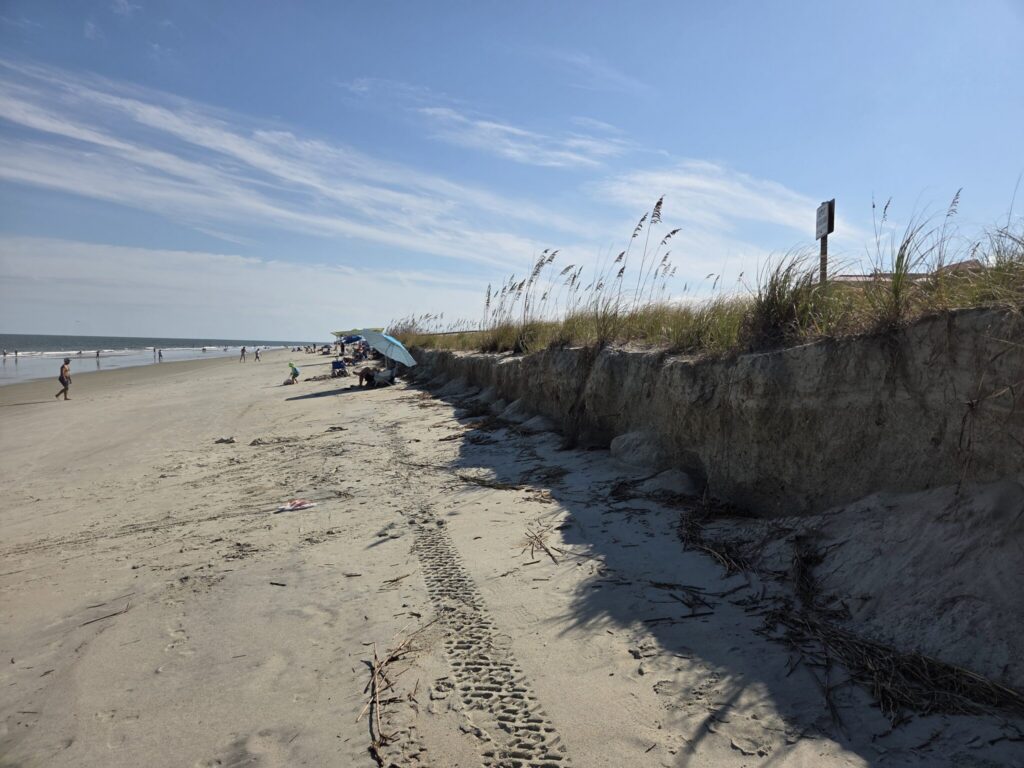
Tybee Island, Georgia’s beloved barrier island getaway near Savannah, has secured new funding to restore its eroding shoreline — a development that carries significant implications for coastal communities, tourism economies, and the long-term health of Georgia’s fragile coastal ecosystems. Beach replenishment projects like this one sit at the intersection of environmental stewardship and economic survival for communities that depend on healthy shorelines.
The funding, reported by Georgia Recorder climate journalist Emily Jones of WABE/Grist, marks a critical step forward for Tybee Island officials who have long sought resources to combat the steady loss of beach sand that threatens both the island’s natural habitat and its identity as a coastal destination.
Why Beach Replenishment Matters
Barrier islands like Tybee are naturally dynamic — they shift, erode, and rebuild over time. But accelerating sea level rise, stronger storm surges, and increased coastal development have pushed erosion rates beyond what natural processes can recover from on their own. Sand replenishment, which involves pumping or trucking sand onto depleted beaches, is one of the most widely used tools coastal communities have to buy time and protect infrastructure.
For Tybee Island, the stakes are high. The island’s beaches draw hundreds of thousands of visitors each year, generating revenue that supports local businesses and the broader Savannah-area economy. Beyond tourism, the beaches serve as critical nesting habitat for loggerhead sea turtles and other protected species that depend on undisturbed coastal shorelines.
A Recurring Challenge
Tybee Island has undertaken beach replenishment efforts in the past, but securing consistent, long-term funding has remained a persistent obstacle. Coastal restoration projects of this scale typically require a combination of federal, state, and local dollars — a funding puzzle that can take years to piece together. The newly secured funding represents progress in that ongoing effort to keep the shoreline stable and viable for both residents and wildlife.
Coastal erosion is not unique to Tybee. Communities up and down the Georgia coast, from Cumberland Island to Jekyll Island, face similar pressures. Environmental reporters covering the region, including those at the Georgia Recorder, have documented the growing tension between development interests, conservation needs, and the realities of a changing climate.
Related coverage from the Georgia Recorder has explored how federal and state agencies navigate these competing demands. Reporting by Jacob Fischler has examined the implications of Supreme Court rulings on wetlands protections, while Stanley Dunlap has covered decisions by the Army Corps of Engineers affecting Georgia’s coastal environment — the same federal agency that typically oversees and funds large-scale beach replenishment projects nationwide.
Beach replenishment is rarely a permanent fix. Sand washes away with every major storm, and projects must be repeated on cycles of several years. Critics of replenishment programs point to their cost and the temporary nature of the solution, while supporters argue they are essential for protecting coastal communities while longer-term adaptation strategies are developed and implemented.
For Tybee Island residents and local officials, however, securing this round of funding is a tangible victory — one that ensures their shoreline will be restored and protected in the near term, giving both the community and its coastal ecosystems a measure of stability in an era of increasing uncertainty.
Georgians who want to weigh in on coastal policy and environmental funding decisions can register to vote, find their polling place, find their state legislator, contact their U.S. representative, or contact their U.S. senator to make their voices heard on issues affecting Georgia’s coast.