US Government Reverses Course on Climate Change Regulations
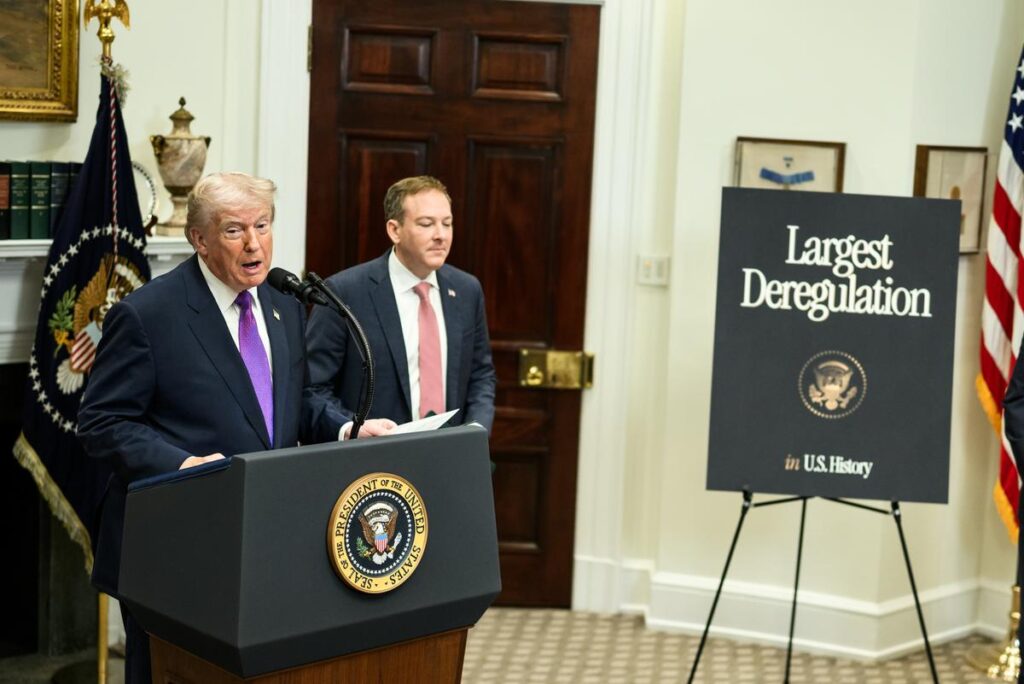
In a significant policy shift announced last Thursday, President Donald Trump declared the removal of a pivotal rule that identified the pollution contributing to global warming as hazardous. This alteration complicates the US government’s ability to address the climate crisis, both now and in future administrations.
Understanding the Climate Crisis
The global temperature has risen by approximately 1.2 to 1.4 degrees Celsius since the industrial revolution began with coal burning for factories. This warming trend causes long-lasting changes in weather, impacting all life forms on the planet.
The primary driver of this warming is the burning of fossil fuels such as coal, oil, and natural gas, which emit greenhouse gases like carbon dioxide and methane, exacerbating the climate emergency.
Signs of climate change include melting ice caps, increased temperatures, heatwaves, droughts, wildfires, heavy rainfall, and more intense hurricanes.
Scientists emphasize the need for decisive action by 2030 to limit global warming to 1.5ºC to prevent the most severe consequences of climate change.
(Source: US EPA [Public domain], via Wikimedia Commons.)
The Environmental Protection Agency, tasked with safeguarding the environment, was granted the authority to regulate harmful greenhouse gases by a 2007 Supreme Court ruling, under the Clean Air Act. In 2009, the EPA’s “endangerment finding” classified such pollution as dangerous, supporting regulatory measures to curb emissions from vehicles, factories, and power plants.
President Trump’s recent announcement rescinds this finding, effectively stripping the EPA of its regulatory powers concerning climate change. Trump’s stance has often been skeptical about the climate crisis, arguing that deregulation could reduce costs for businesses.
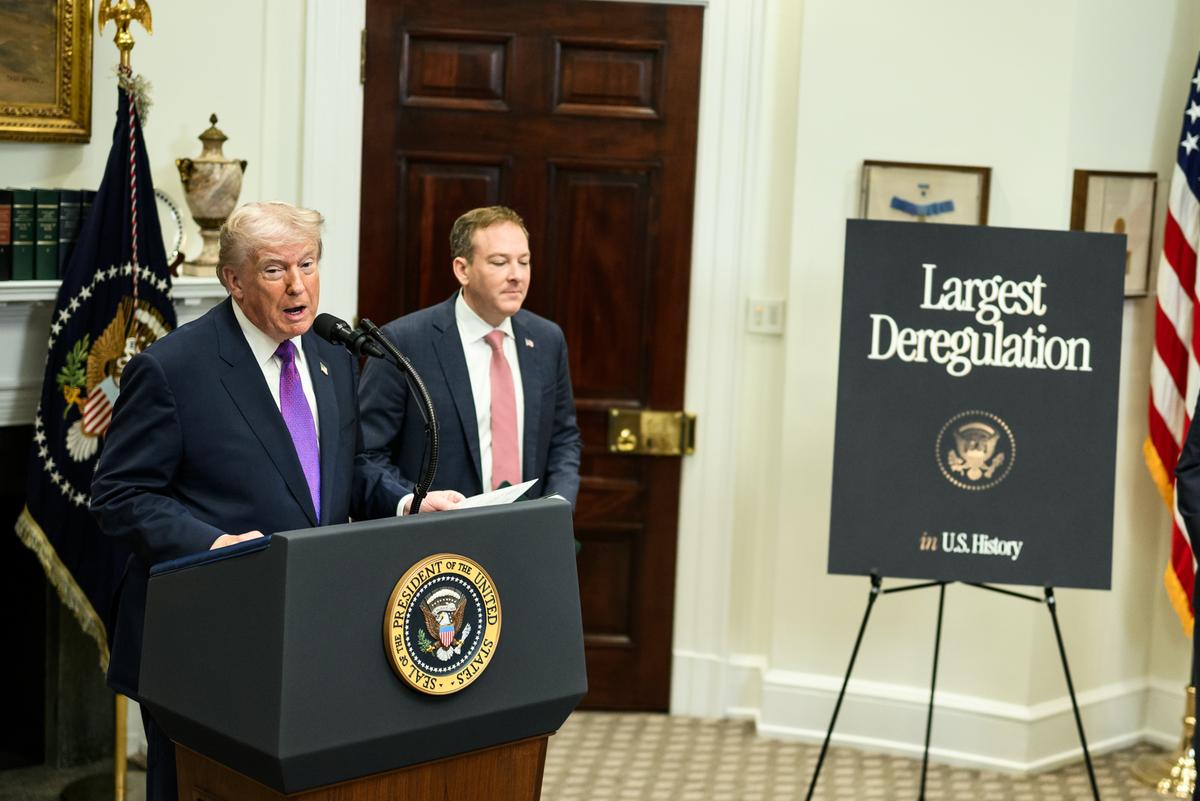
(Source: Daniel Torok/White House[Public Domain], via Wikimedia Commons.)
The reversal has sparked widespread concern among scientists and environmentalists who see it as a setback in combating climate change. They argue that the absence of the endangerment finding impairs the EPA’s ability to enforce emission reductions, jeopardizing the US’s climate commitments and hindering state-level pollution control initiatives.
Since the beginning of his second term in January 2025, President Trump has pursued policies favoring fossil fuel use, reduced pollution controls, and rolled back natural resource protections. These actions include cutting climate science funding and withdrawing from key international climate accords.
Legal challenges are expected, as several states and environmental organizations plan to contest the administration’s actions in court. However, legal proceedings could delay the enforcement of any pollution-reducing measures for years.
Furthermore, the current composition of the Supreme Court differs from that of 2007, raising uncertainties about future rulings regarding the EPA’s regulatory powers.
The absence of the endangerment finding may also complicate efforts by future US presidents to implement climate change policies, potentially requiring congressional approval for new regulations.
Did You Know…?
Transportation is the leading source of greenhouse gases in the US. The reversal of the endangerment finding means the US now has limited regulations on transportation emissions and fuel efficiency, contrasting with global trends towards electric vehicles.
Original Story at newsforkids.net