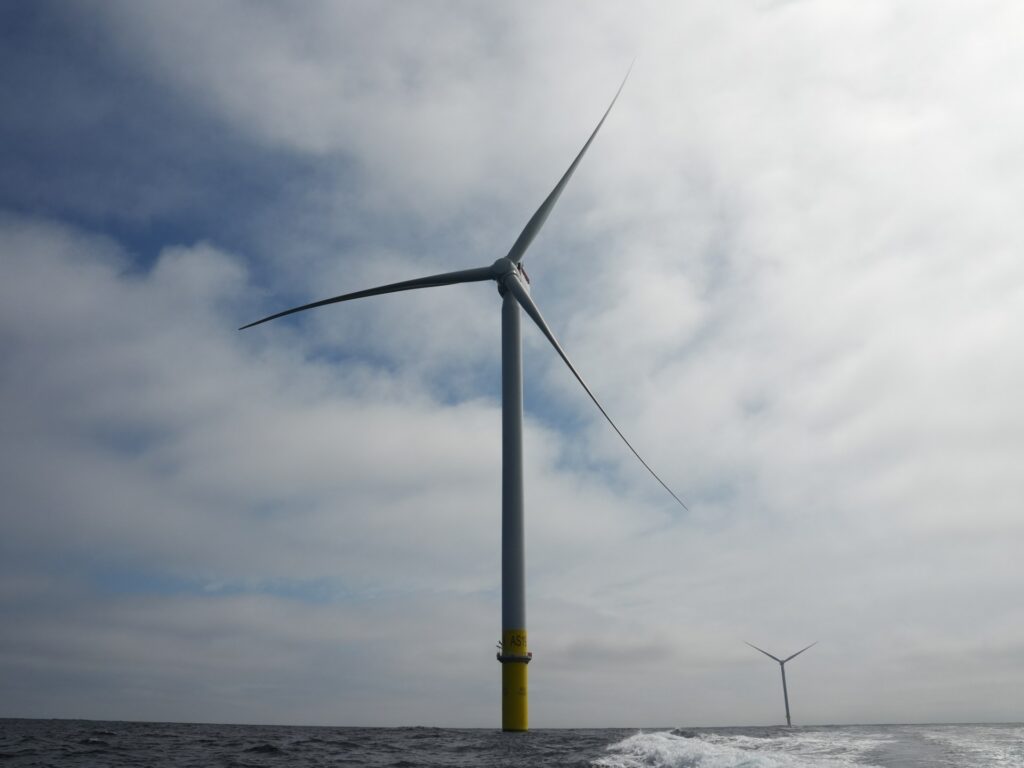
In a significant legal battle, TotalEnergies finds itself at the center of a lawsuit involving seven US states and the federal government. This confrontation arises as the Trump administration reshapes domestic energy policy, focusing on fossil fuels and sidelining renewable energy projects, including wind energy initiatives.
The unpredictable nature of the business and investment climate under President Donald Trump’s tenure is under scrutiny, especially after several policies enacted by his predecessor, President Joe Biden, to promote renewable energy investments were reversed.
Offshore Wind Projects in Jeopardy
TotalEnergies had planned two major offshore wind farms in the United States: the Attentive Energy project and the Carolina Long Bay project. The Attentive Energy project, located 54 miles south of Jones Beach, New York, was intended to power a million homes and businesses in New York and New Jersey. Meanwhile, the Carolina Long Bay project aimed to begin operations in North Carolina in the early 2030s.
However, in March, TotalEnergies struck a $928 million deal with the Trump administration to abandon these wind projects in favor of investing in oil and gas ventures. This decision led to a lawsuit filed by seven northeastern states against the Trump administration, challenging the arrangement.
The attorneys general argued that New York, in particular, faces a significant electricity shortage and that the Attentive Energy project would have bolstered grid reliability and helped meet climate goals.
Controversial Agreements and Legal Challenges
Following the March agreement, the Trump administration also canceled leases for two other wind projects: Golden State Wind in Morro Bay, California, and Blue Point Wind off the New York coast. Developers were compensated over $2 billion for withdrawing from these projects and redirecting investments to oil and gas. Legal experts, including Dave Owens from UC Law and Jordan Diamond from the Environmental Law Institute, have expressed surprise at these unprecedented deals.
The California Energy Commission has subpoenaed Golden State Wind for documents related to the agreement, potentially leading to further litigation against the company or the federal government. The commission argues that the project’s cancellation could result in a loss exceeding $100 million for the state due to investments in infrastructure.
The northeastern states’ lawsuit alleges that the interior department failed to provide a valid explanation for the lease cancellations, did not consider New York’s reliance interests, and neglected to explore alternative solutions.
Investigations and Industry Impact
Congressmen Jared Huffman and Jamie Raskin have launched an investigation into why taxpayer money was used to facilitate these agreements, deeming them “unlawful.” TotalEnergies, in response, reiterated its March statement citing offshore wind development costs in the US as a deterrent, contrasting with more affordable alternatives available domestically.
The interior department justified the lease cancellations due to security concerns, although these had been assessed before the leases were awarded. Critics, including Jordan Diamond, view these actions as part of a broader trend favoring fossil fuels, while renewable energy projects face cuts.
Furthermore, the northeastern states’ lawsuit questions the use of the Judgment Fund for developer payments, arguing there was no legitimate dispute to warrant such payments. The suit also raises concerns about the Outer Continental Shelf Act’s application in reaching these lease agreements without public hearings.
Despite TotalEnergies’ settlement, the New York State Common Retirement Fund is considering divesting from the company. Legal experts anticipate more litigation, especially if California’s Energy Commission seeks further documentation from Golden State Wind.
Industry analysts warn that these developments could deter further offshore wind investments, impacting infrastructure and job creation efforts. Kit Kennedy of the National Resources Defense Council suggests that resilient companies may ultimately benefit from this turbulent period.
Original Story at www.aljazeera.com