Texas Sees Surge in Electric Vehicle Adoption, Raising Questions About Power Grid Impact
Electric vehicles (EVs) are rapidly becoming a common sight on Texas roads, but the increase in their numbers is sparking discussions about the potential effects on the state’s power grid. According to the Texas Department of Transportation, an estimated 1,500 EVs are added to the roads each week.
“We have over 500,000 electric vehicles registered in the state of Texas,” stated Mario Bravo, Executive Director of the Texas EV Education Project.
Austin is at the forefront of this growth, with the U.S. Department of Energy noting the city ranks among the top three in the nation for EV ownership. Texas as a whole is expected to hit the milestone of one million EVs within the next 18 months.
Ramanan Krishnamoorti, VP for Energy and Innovation at the University of Houston, highlighted that “about 10 to 15% of all new car sales in the state of Texas are electric vehicles.”
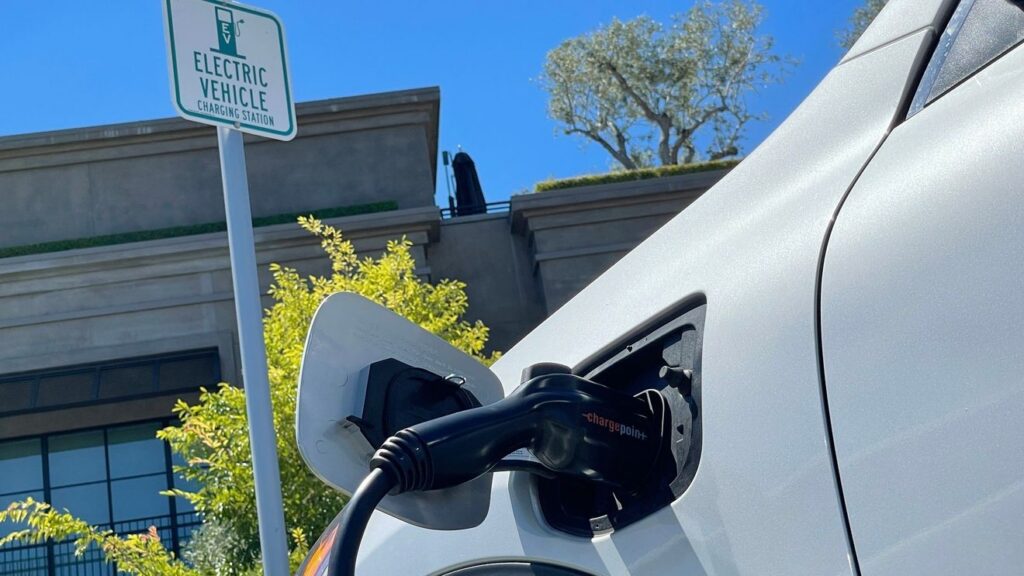
To support the transition to EVs, Texas is expanding its infrastructure with over 4,300 charging stations currently available and many more planned. The National Electric Vehicle Infrastructure Plan, initiated under the Biden administration, allocated more than $400 million to Texas for the development of these stations, according to Bravo.
This expansion is crucial as the Electric Reliability Council of Texas (ERCOT) anticipates peak electricity demand to reach nearly 368,000 megawatts by 2032, a significant increase from the 2023 peak of nearly 86,000 megawatts.
Charging Timing and Its Impact on the Grid
Experts emphasize that the timing of EV charging is just as critical as the volume of EVs on the road. Bravo explained, “They are the first time we’ve had a large-size manageable load on the electric grid. That means you can control when that load is used.”
The U.S. Department of Energy reports that most EVs using level two home chargers draw approximately 7.2 kilowatts, comparable to a household dryer. While level one chargers consume less power, public DC fast chargers require significantly more energy for quicker charging. The main challenge lies in the timing of these charging activities.
Krishnamoorti noted a common issue: “I go back home at 6:00 – 6:30 p.m. I instinctively plug my electric vehicle into the socket, it starts to draw in a lot more power.” This period coincides with peak demand on the Texas power grid.
To alleviate stress on the grid, experts recommend EV owners charge their vehicles overnight when demand is lower, utilize smart charging programs, and participate in vehicle-to-grid (V2G) technology, which allows EVs to send stored battery power back to the grid.
Bravo explained the benefits, stating, “When they need power, they could crowdsource from many electric vehicles throughout the community to put more electricity on the grid for everybody to use.” This practice not only reduces grid strain but can also lower electricity costs by spreading the infrastructure costs more broadly.
Some utility companies, such as Austin Energy, are already implementing these ideas. They offer homeowners $500 upfront to purchase a battery storage system and an average of $300 annually if they allow Austin Energy to tap into their stored power during peak times.
Experts agree that expanding such programs statewide could be a crucial step in managing the growing demand on Texas’s power grid.
Original Story at cbsaustin.com