Stellantis Faces Major Financial Revisions Amid EV Market Shifts
The global automotive landscape is undergoing significant transformations, and Stellantis finds itself at the heart of this turbulent shift. The multinational car manufacturer has announced a strategic pivot, incurring a hefty cost of €17 billion (£14.8 billion) as it reassesses its electric vehicle (EV) ambitions. This move follows similar adjustments from industry giants like Ford and GM, highlighting a broader industry trend.
Antonio Filosa, Stellantis’s CEO, expressed the challenges faced, stating, “The charges announced today largely reflect the cost of over-estimating the pace of the energy transition that distanced us from many car buyers’ real-world needs, means and desires.” The company’s portfolio includes renowned brands such as Peugeot, Citroen, Vauxhall, Fiat, Alfa Romeo, Maserati, Jeep, Ram, Dodge, and Chrysler.
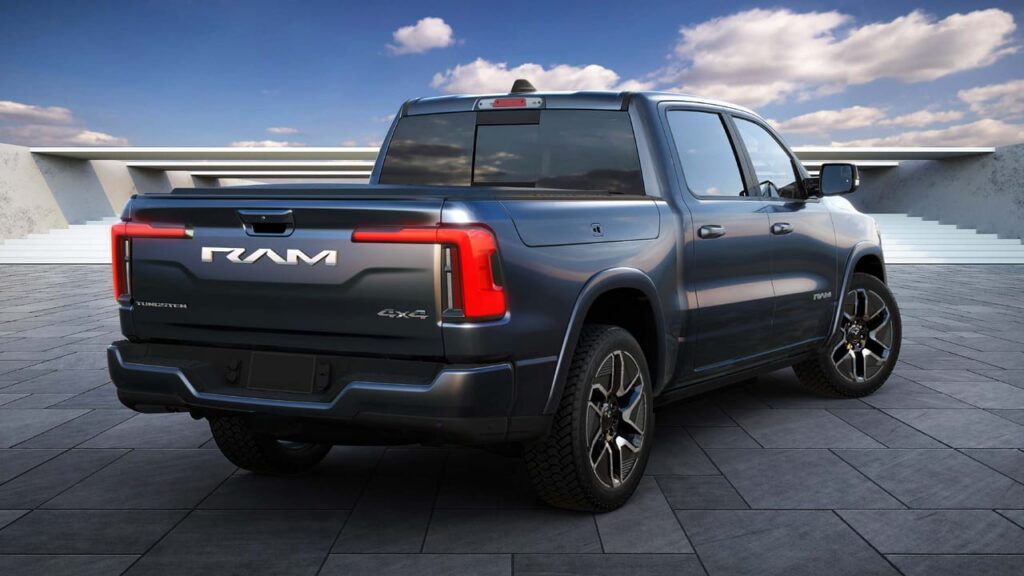
A significant factor contributing to the financial turbulence is the reversal of U.S. government incentives for EVs, which has notably impacted the market dynamics. In response, Stellantis has shelved its plans for the Ram 1500 BEV, following Ford’s cancellation of the F-150 Lightning electric pickup. The Ram electric truck project, which had not yet reached the market, involved substantial investments in engineering and tooling, now reflected in the financial write-off.
In Europe, Stellantis has faced similar challenges. The Fiat 500, originally designed as a battery-only vehicle, saw modifications to include an engine due to underwhelming electric model sales. Vauxhall’s plans to transition to an all-electric lineup by 2028 have been adjusted, with petrol and plug-in hybrid models being expedited. Alfa Romeo also delayed its electric transition, pushing back the launch of its all-electric Giulia and Stelvio replacements.
The company has also reported €6 billion in impairments related to electric platforms, initially anticipated to support high-volume EV sales across multiple models. With revised sales forecasts, future profitability is expected to be impacted.
Adding to Stellantis’s financial woes is an additional €4.1 billion (£3.6 billion) in warranty-related costs. This stems from both a change in accounting practices and the challenges of launching new models rapidly, often relying on untested suppliers. As Filosa noted, there has been “a deterioration in quality, as a result of operational choices, which did not deliver the expected quality performance.” The company is now focused on improving quality through new methods and additional engineering resources.
Formed five years ago from the merger of PSA (Peugeot-Citroen) and FCA (Fiat-Chrysler), Stellantis’s sprawling structure has raised questions about management effectiveness. Some investors have suggested splitting the company or selling off underperforming segments, such as Maserati. However, Filosa remains committed to keeping the group intact.
Stellantis’s previous CEO, Carlos Tavares, was removed due to underperformance in the U.S. market, though recent sales data indicate a recovery. Tavares had been cautious about the pace of EV adoption, advocating for a swift transition only when government support became evident. The current challenges suggest that balancing market demands and strategic investments remains a complex task for the automotive industry.
Original Story at www.topgear.com