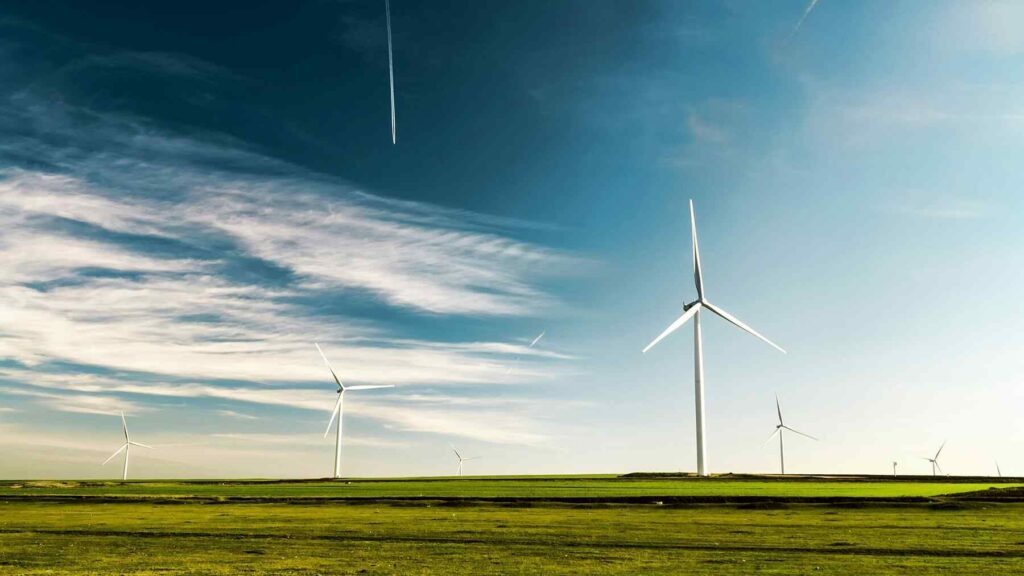
In a significant stride for renewable energy, RWE has activated the Peyton Creek II wind facility in Texas, marking another milestone in the U.S. wind power landscape. With Texas leading the charge in wind energy production, RWE’s latest project highlights the state’s pivotal role in the nation’s clean energy future.
Texas: A Wind Energy Powerhouse
Texas stands out as a leader in wind energy, generating about 28% of the United States’ total wind energy output. The state’s wind energy capacity, which surpassed 40,000 MW by 2024-2025, continues to rise, thanks to initiatives like RWE’s Peyton Creek II wind facility. This new facility, located in Matagorda County, adds to RWE’s growing renewable energy portfolio in the U.S.
RWE AG, established in 1898 in Essen, Germany, is transitioning from conventional power production to a focus on renewable energy. Their commitment is evident in the commissioning of the Peyton Creek II wind facility, which enhances the state’s energy capacity and strengthens RWE’s presence in the U.S. renewable energy sector.
Expanding Capacity with Peyton Creek II
The Peyton Creek II wind farm is set to boost Texas’s renewable energy capabilities with its 243 MW installed capacity. Situated near Bay City in Matagorda County, the facility takes advantage of the region’s robust wind conditions and established energy infrastructure. This project is part of RWE’s broader U.S. initiatives, which collectively add about 2 GW of new capacity.
For Texas, Peyton Creek II is a critical addition to its clean energy initiatives and reinforces the state’s position in the Electric Reliability Council of Texas (ERCOT) region. The demand for renewable energy in this region remains high, and projects like Peyton Creek II are essential in meeting that demand.
Building on Past Success
The Peyton Creek II project builds on the success of its predecessor, Peyton Creek I, which began operations in 2020. This phased development approach maximizes site efficiency and transmission access. Collaborating with industry leaders like Vestas and construction firms Wanzek and RES, RWE’s confidence in the project’s success is well-founded.
Long-term power purchase agreements (PPAs), including those with major corporate entities like Microsoft, support the project, ensuring its economic viability and sustainability.
Economic Impact and Future Prospects
The economic benefits of Peyton Creek II extend to local communities, creating thousands of construction jobs and generating substantial tax revenues. The ongoing operations will provide long-term employment opportunities in maintenance and site management, contributing to the local economy.
The U.S. wind energy sector is experiencing robust growth, with RWE playing a crucial role through its innovative projects. As the nation advances its clean energy goals, initiatives like Peyton Creek II are pivotal in shaping a sustainable future.
Original Story at energiesmedia.com