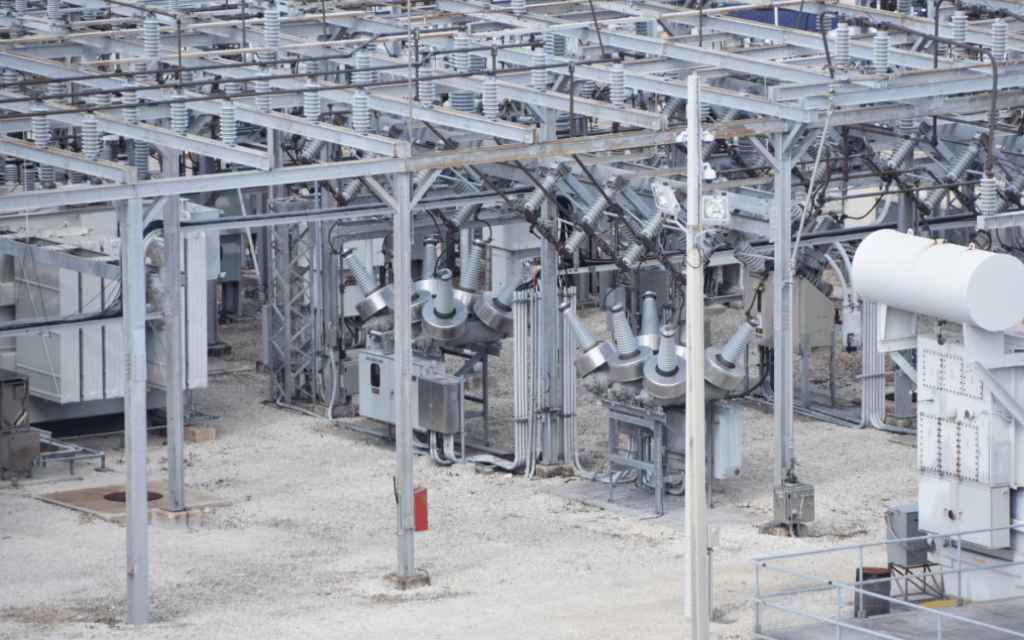
The scorching temperatures of this past summer have highlighted an urgent challenge for New York: upgrading its electric grid to withstand the increasing demands of a warming climate. During the peak heat of July, Con Edison urged residents to limit their use of major appliances, reduce air conditioning, and avoid charging electric vehicles at certain times. This request came as a response to the growing stress on New York City’s electric system, with nearly 10,000 customers in southwest Queens temporarily losing power so heat-damaged equipment could be repaired.
Heat waves, characterized by their intensity and frequency, are projected to become more severe. These conditions test the limits of a grid originally constructed for cooler climates, indicating that voluntary energy conservation and occasional power reductions are insufficient strategies for the future.
The Growing Threat
Heat remains the deadliest weather-related hazard in the U.S., particularly affecting vulnerable groups such as the elderly and those with chronic health issues. Climate experts have long cautioned that New York’s heat waves will extend in duration and frequency, with this summer serving as a testament to that forecast. Rising temperatures mean air conditioners run longer, straining electric grids further. When pushed past capacity, these grids are prone to outages, costing Americans approximately $44 billion annually, according to the Department of Energy (source).
New York’s push to electrify transportation, buildings, and heating systems to cut carbon emissions will only increase electricity demand. Without investments in modern transmission, renewable energy, and battery storage, the state’s power system will struggle during peak periods.
A Temporary Solution
Utilities sometimes implement brownouts, reducing voltage to sidestep widespread blackouts. While asking residents to limit their power use during peak times can alleviate immediate pressure — as Con Edison did in July — these are not sustainable solutions. Brownouts can harm electronic devices, disrupt businesses, and endanger vulnerable populations reliant on electrically powered medical equipment (source).
Future Directions
Recent heat waves underscore the necessity of expanding New York’s clean energy infrastructure. The Champlain Hudson Power Express, expected to deliver up to 1,250 megawatts of hydroelectric power from Québec to New York City, represents a significant clean energy investment. Additional projects like Empire Wind 1 and Sunrise Wind aim to add nearly 1,800 megawatts of offshore wind capacity. Furthermore, enhanced battery storage is becoming vital for maintaining grid reliability.
Transmission improvements, including the completed Smart Path and ongoing Propel NY Energy projects, are set to bolster electricity distribution efficiency across the state. Solar energy also shows promise, with New York surpassing eight gigawatts of distributed solar earlier this year, ahead of its 2030 target.
Though recent conservation efforts and voltage reductions helped avert a larger crisis, ongoing infrastructure development is crucial as hotter summers become the norm. Investments made today will determine how effectively New York’s electric system can adapt to future challenges. “The electric grid is the backbone of New York’s clean energy future,” said NYLCV President Julie Tighe. “As climate change drives more extreme heat and electricity demand continues to grow, investing in transmission, renewable energy, battery storage, and grid modernization is essential to keeping New Yorkers safe while reducing the emissions and stabilizing utility bills.”
Original Story at www.nylcv.org