New York Faces Rising Costs Due to Stricter Environmental Regulations
As New York’s stringent environmental regulations on hydrofluorocarbons (HFCs) continue to unfold, both homeowners and businesses are beginning to feel the financial pinch. The regulations, which took effect in January, are part of a broader effort by the state to reduce greenhouse gas emissions but have also led to significant cost increases for those needing to update their cooling systems.
In response to these challenges, a new legislative proposal has gained bipartisan support in Albany. The proposed bill aims to align New York’s HFC regulations with federal guidelines, which are not set to take effect until 2036. This adjustment could provide much-needed financial relief to consumers and businesses alike.
State Assemblyman William Conrad III, a Democrat from the Buffalo area, is leading the charge to roll back the current restrictions. He became aware of the significant impact on small businesses, like a friend’s grocery store, that might face closure due to the high cost of compliance. “I don’t want to put a burden on people who have existing systems that just needed, you know, a patch, to keep the life going,” Conrad stated.
Assemblyman John T. McDonald III emphasized that the original goals of the 2019 Climate Act were meant to be aspirational. He noted that the implementation should consider economic impacts on various stakeholders, including municipalities, businesses, and consumers. McDonald remarked, “As one who was on the floor (of the Assembly) when the (Climate Act) was passed, all the goals were aspirational, and it left a lot of authority to the Climate Action Council and the Department of Environmental Conservation to interpret and then regulate these processes.”
Economic Strain on Local Businesses
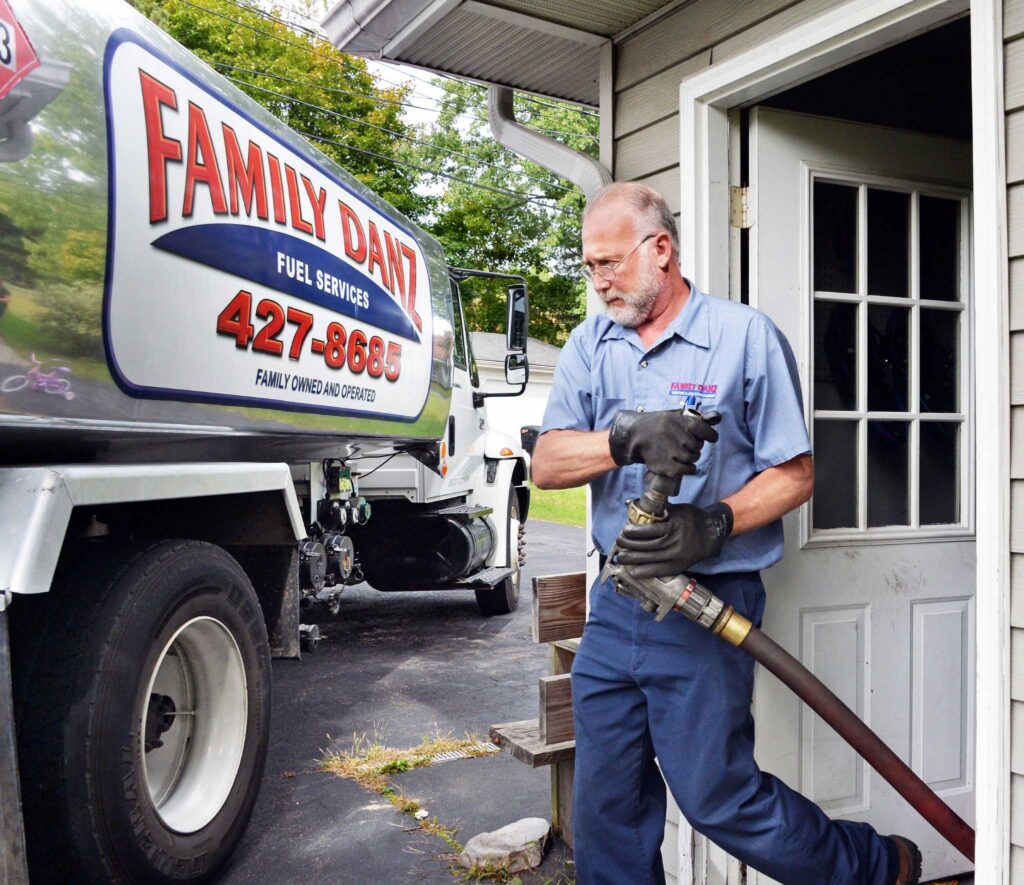
Todd Danz, who operates Family Danz Heating and Cooling in Albany, highlighted the growing costs associated with the new regulations. He noted that many HVAC systems cannot be repaired under the current rules, forcing consumers to face costly replacements. “Every year that goes by, it’ll become more expensive,” Danz commented, referencing the increasing costs of refrigerants that are being phased out.
As these costs rise, Danz’s company has received numerous inquiries from consumers concerned about skyrocketing utility bills. He expressed concerns about the rapid regulatory changes, stating, “We’ve already heard from several people, even some people that work for manufacturers, that this is only a 10-year stopover (for hydrofluorocarbons), before they transition again.”
Legislative Action and Industry Support
A coalition of 20 business groups recently sent a letter to Governor Kathy Hochul and state legislators, urging them to support the proposed alignment with federal standards. They argue that consistent national regulations are crucial for industries like supermarkets and hospitals that rely heavily on refrigeration systems. The letter states, “This legislation is essential — without it, New York residents and business owners will be forced to pay huge, unnecessary replacement costs under the state’s recently adopted (regulations).”
State officials, however, maintain that the regulations are necessary to promote climate-friendly alternatives and align with federal climate law. The Department of Environmental Conservation has previously asserted that the regulations would not directly cost consumers and could potentially save businesses money in the long run.
Despite these assurances, state lawmakers and industry stakeholders continue to push for regulatory adjustments. They argue that the current approach could lead to unintended economic consequences, as illustrated by McDonald’s anecdote of former New York residents relocating due to high energy costs. “Basically, the average family is impacted as they don’t understand what’s going on,” McDonald said, highlighting the broader implications for the state’s affordability and quality of life.
Original Story at www.timesunion.com