Adopting Electric Vehicles: Challenges and Opportunities in a Changing World
Transitioning to electric vehicles (EVs) is a significant step toward reducing carbon footprints, but it comes with its own set of challenges and learning curves. A firsthand account of navigating the EV landscape reveals the complexities and adjustments one faces when making such a change. From charging infrastructure to community acceptance, the journey to sustainable transportation is both rewarding and demanding.
Seven years ago, with a commitment to reducing carbon emissions, a decision was made to replace a traditional car with a 2019 Chevy Bolt. Initially, the experience of charging the vehicle at a local Westfield grocery store highlighted a crucial difference: charging an EV is not as straightforward as filling up a gas tank. This realization marked the beginning of a new lifestyle centered around EV infrastructure.
With 78,000 miles covered over the years, traveling from Southwick to Hartford, and even as far as Key West, the journey was made possible by the support of charging stations and the generosity of friends and family who offered access to their outlets. The convenience of a Level 1 charger, which uses a standard three-prong outlet, provided enough power for short trips, adding about 36 miles overnight. However, more efficient Level 2 chargers, such as those found at motels, could restore full battery capacity by morning, adding 200 miles overnight.
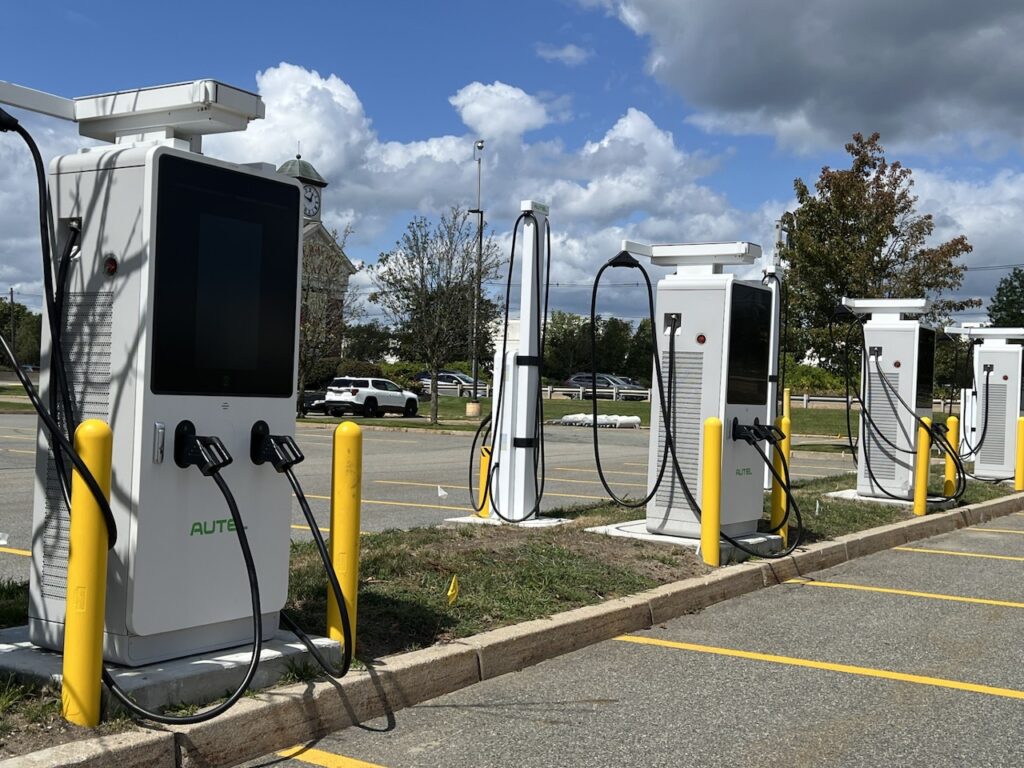
For longer road trips, the fast-charging capability of Level 3 chargers becomes essential, offering a near-complete charge in about an hour. These chargers are strategically placed along major highways, ensuring that long-distance travel remains feasible. Despite occasional inconveniences, such as busy or non-functional charging stations, the use of navigation apps and careful planning prevent being stranded.
However, the adoption of EVs is not without its societal hurdles. Concerns about safety, mainly the risk of fires from lithium-ion batteries, led to a homeowner’s association banning on-site charging. Despite assurances from experts like Greenfield Fire Chief Robert Strahan, who states that these batteries are generally safe unless damaged, misconceptions persist.
The global impact of climate change cannot be ignored, with extreme weather events and wildfires becoming more frequent. In 2024, extensive wildfires in the U.S. burned nearly 9 million acres, with associated smoke affecting air quality in regions like Western Massachusetts. These incidents underscore the urgent need for sustainable practices and a shift away from fossil fuels.
Despite the challenges, the future of firefighting includes innovations such as fire suppression blankets and de-energizing plugs for EVs. These advancements, alongside a growing understanding of climate change’s realities, are crucial for community safety and sustainability.
While not everyone can transition to an electric vehicle or support energy storage systems, there is a collective responsibility to explore alternatives to fossil fuels. As one professor aptly put it, “Reality is the thing that even when you don’t believe in it, you stub your toe on it.” Embracing this reality could inspire broader efforts to protect our planet.
Nancy Lois, residing in Southwick, contributes to the conversation on climate change through her work at Hartford International University for Religion and Peace and as a member of Voices for Climate.
Original Story at www.masslive.com