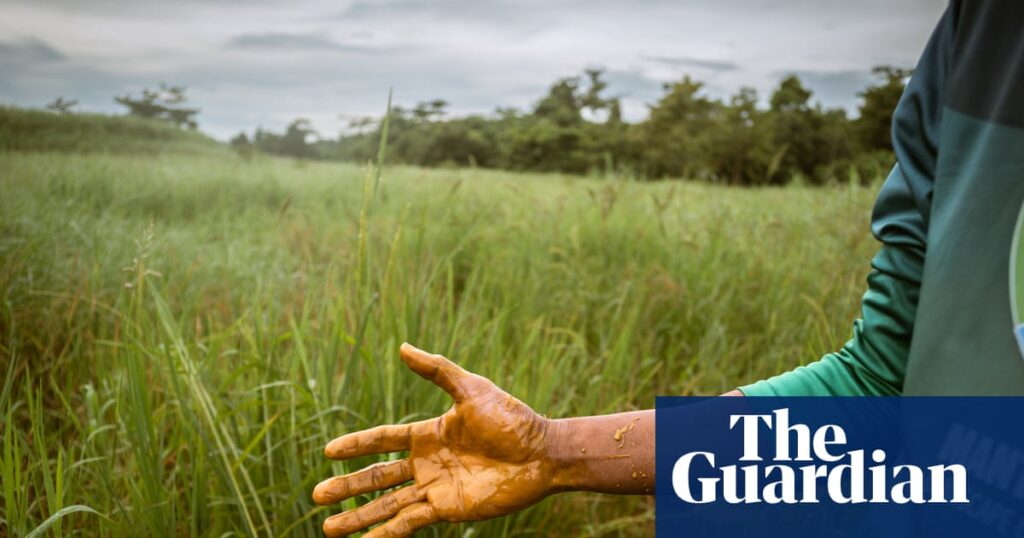
Palawan’s Ecological Dilemma: The Impact of Nickel Mining on Biodiversity and Local Communities
In the tranquil waters of Brooke’s Point, Palawan, a delicate ecological balance is being disrupted by the burgeoning demand for nickel. As Moharen Tahil Tambiling navigates the shallow reefs of this biodiverse island, he witnesses firsthand the changes wrought by mining activities on the environment and local livelihoods.
The island of Palawan, often referred to as “the last ecological frontier” of the Philippines, is home to a significant portion of the country’s untouched old-growth forests, mangroves, and coral reefs. This natural wealth is now under threat as global demand for nickel—a key component in electric car batteries and clean energy infrastructure—drives mining ventures into these pristine ecosystems. The deposits, known as nickel laterite, form in tropical regions and are critical to the world’s nickel supply, comprising about 70% of global reserves.
The environmental impact of nickel mining is evident in Palawan’s landscape. At low tide, the coral reefs reveal a coating of silt, a byproduct of mining activities that clouds the waters and affects marine life. Local fishermen, like Roddy Masap, have noticed a dramatic decline in fish stocks since mining expanded. “The mining company can give us all the money in the world, but once the mountain is gone, they cannot buy it back,” says Nelson Sombra, an Indigenous leader, highlighting the irreversible nature of environmental degradation.
The mining operations, particularly by Global Ferronickel Holdings’ Ipilan Nickel Corp, have faced criticism and legal challenges. Despite a 2025 mining moratorium, the company continues to exploit a large deposit on Mt Mantalingahan, a protected area. Community members report that the mine’s runoff contaminates rice fields, clogs rivers, and contributes to the destruction of coral reefs. The company, however, contends that “no evidence or direct link exists between our nickel stockpiles and any adverse impacts on the crops, rivers or marine environments” and attributes environmental changes to climate events.
Health concerns are also mounting among residents. While the company maintains that nickel laterite is non-toxic, studies indicate that exposure to processed nickel can lead to elevated levels of the metal in human tissues, with potential long-term health effects. Despite assurances from mining operators, community reports of skin conditions and respiratory issues persist.
The situation in Palawan exemplifies the broader conflict between environmental preservation and resource extraction. As Olivia Lazard, a Carnegie fellow, notes, “Essentially, they’re pushing against the last natural frontiers of the world.” The expansion of mining into biodiverse regions like Palawan, the Congo basin, and the Amazon raises crucial questions about the sustainability of the energy transition and the protection of critical ecosystems.
Legal battles and community protests continue as Indigenous leaders and environmentalists seek to safeguard Palawan’s ecological heritage. While some locals benefit from the economic opportunities provided by mining, many fear for the future of their land and the natural resources that sustain their way of life.
As the global community grapples with the need for minerals essential to renewable energy, the case of Palawan underscores the importance of balancing development with the preservation of biodiversity and Indigenous rights. As Grizelda Mayo-Anda, an environmental lawyer, emphasizes, Palawan’s role is “critical… to maintain the world’s biodiversity.”
Original Story at www.theguardian.com