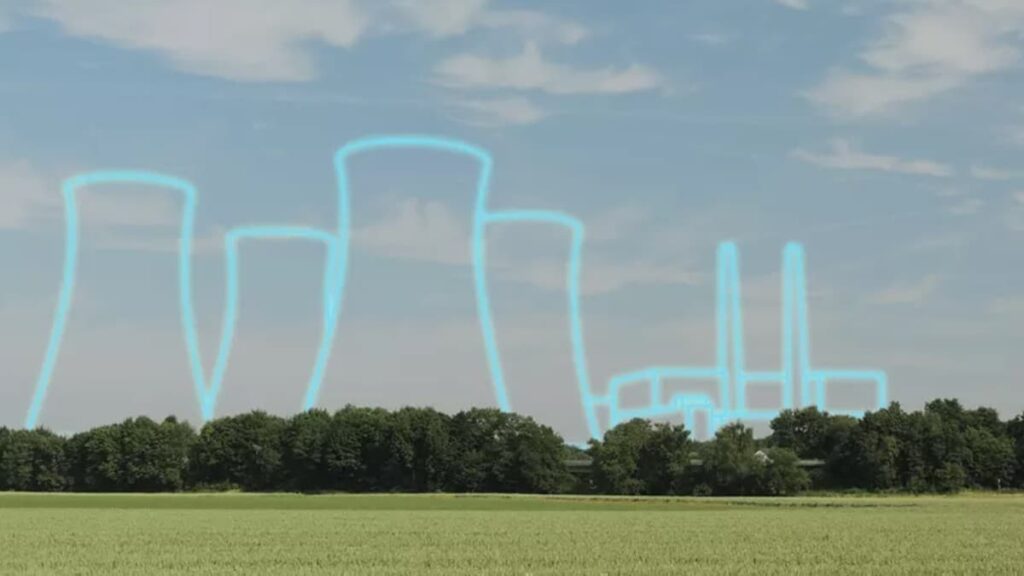
In light of the current global energy challenges, nuclear power is gaining renewed attention as a critical component in achieving low-carbon energy generation. The Middle Eastern conflict, exacerbating the oil and gas shortage, has only expedited this shift towards nuclear energy. However, the challenge remains that increasing nuclear capacity is a time-intensive process.
The president of the European Commission, Ursula von der Leyen, acknowledged the strategic error of Europe’s previous stance against nuclear energy, describing it as “a reliable, affordable source of low-emission power.” At a recent nuclear summit in France, she announced a commitment of 200 million euros towards developing “innovative nuclear technologies.” Read more.
These technological advancements primarily focus on small modular reactors, which have been the subject of much discussion yet remain largely unimplemented. Despite these hurdles, countries like Japan have existing nuclear infrastructure that can be reactivated.
A report by Wood Mackenzie suggests that the Middle Eastern crisis is likely to encourage Japan and South Korea to increase their reliance on nuclear energy over time, while coal will continue to play a crucial role in ensuring energy security in the short term. This shift towards nuclear is happening even though Japan and South Korea are not the most affected by the crisis. The report highlights how the crisis is “accelerating structural shifts toward nuclear expansion, slower coal retirements, and the localisation of clean energy supply chains.” Read the full report.
Since 2022, Japan has restarted five nuclear reactors, enhancing its energy capacity by 4.6 GW without the need for imported resources. Meanwhile, in South Korea, both public sentiment and governmental policies favor nuclear energy. France, led by President Emmanuel Macron, is also advocating for increased nuclear power development across Europe. Macron emphasized, “Nuclear power is key to reconciling both independence – and thus energy sovereignty – with decarbonisation, and thus carbon neutrality.” Find out more.
The European Union’s leadership is increasingly supportive of nuclear energy, with the Commission’s president advising member nations to extend the operational life of their nuclear facilities. “Avoiding the premature decommissioning of facilities such as existing nuclear power plants, which can continue to supply reliable, cost-effective, and low-emission electricity, can also play a role,” von der Leyen stated, as reported by Brussels Signal.
For South Korea, maintaining its nuclear reactors is a strategic necessity. According to Wood Mackenzie, Seoul plans to extend the life of 7.8 GW of nuclear capacity set to retire by 2030. Nuclear energy already constitutes a third of South Korea’s electricity generation, with a total capacity of 26 GW. Nonetheless, previous government considerations to phase out nuclear in favor of less reliable, weather-dependent energy sources have been reconsidered. Explore South Korea’s nuclear profile.
The International Energy Agency supports the expansion of nuclear energy, acknowledging that wind and solar power alone cannot meet the anticipated increase in electricity demand. The agency reports that nuclear power, with 413 GW in global capacity, significantly reduces emissions and global gas demand. Learn more from the IEA.
As geopolitical tensions impact gas supplies, particularly from Qatar, nuclear power provides a viable solution for electricity generation. However, it cannot replace the use of gas in industries such as fertilizer production, where shortages are already causing agricultural sector disruptions and potential food price inflation. Countries with nuclear capabilities can take comfort in their stable and locally sourced electricity supply. In the words of Wood Mac analyst Xiaonan Feng, “Energy security considerations will continue to accelerate nuclear expansion, delay coal retirements and drive greater emphasis on domestic energy supply chains in both markets.”
More Top Reads From Oilprice.com
Original Story at oilprice.com