Navigating the Oscars: Behind the Scenes of Luxury Transportation and Traffic Management
When the Academy Awards roll around, the logistics of transporting Hollywood’s elite to the event are anything but simple. Rain can turn this glamorous evening into a logistical nightmare, slowing down the convoy of chauffeured cars and causing gridlock. David Seelinger, CEO of EmpireCLS, one of the leading providers of luxury transportation for the Oscars, emphasizes that “traffic in itself is a security risk,” highlighting the need for a smooth and efficient operation to ensure safety for both attendees and staff.
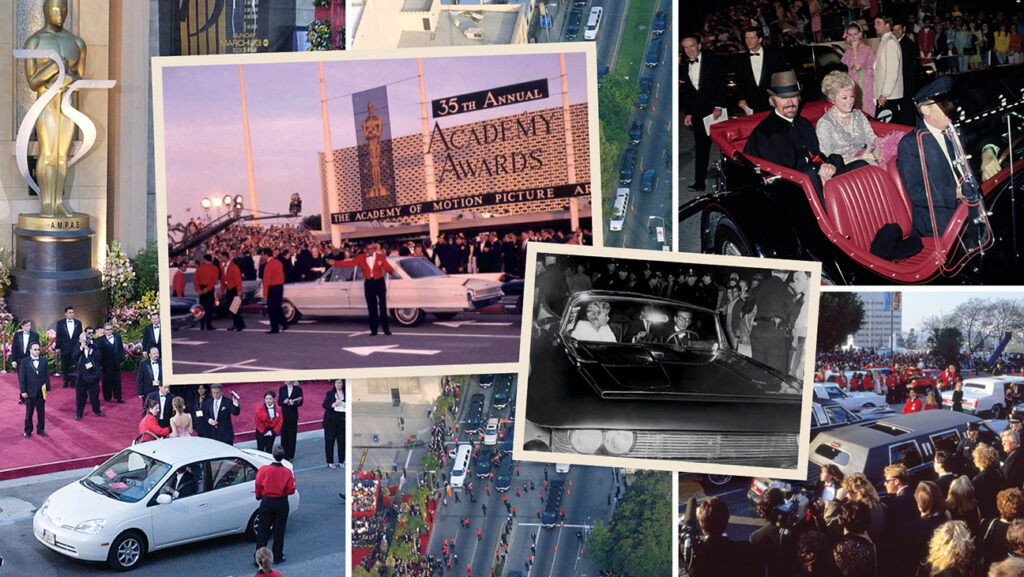
EmpireCLS is set to deploy around 300 vehicles for this year’s Oscars, drawing from local fleets and supplementing with cars from as far as San Francisco and Las Vegas. The shift in vehicle preference over the years is notable. While stretch limos dominated the 20th century and the early 2000s saw a rise in stars arriving in eco-friendly Priuses, the current favorite is the SUV, particularly the Cadillac Escalade. “The Cadillac Escalade is the No. 1 request,” Seelinger explains. With both battery-powered and gas versions, as well as electric Lucid Air sedans, EmpireCLS caters to diverse demands, including studios opting exclusively for electric vehicles.
For larger groups or those traveling with stylists, luxury Mercedes Sprinter vans are available. Seelinger notes, “They’re very spacious, with high ceilings and a low step-out to the red carpet, so for the ladies — or whoever’s wearing a gown, I should say — it’s easier to get in and out.” The vehicles come equipped with bottled water and snacks, and while specific client requests remain undisclosed due to NDAs, Seelinger assures that EmpireCLS goes above and beyond to accommodate, provided the requests are legal.
The orchestration of arrivals at the Dolby Theatre is meticulously planned. Months before the event, coordination begins between the Academy, local authorities, and first responders. Colin Sweeney from the Los Angeles Department of Transportation (LADOT) explains, “For all planned events, the Los Angeles Department of Transportation develops a comprehensive traffic management plan that identifies the required road-closure timing and locations, parking restrictions and [traffic] signal timing changes.” Road closures around the Oscars start up to two weeks in advance, with public transport rerouted to accommodate the event.
Secrecy surrounds the exact chauffeured routes, which include multiple contingencies. “There’s always a primary, secondary and tertiary route, so if something happens, we can switch mid-stream,” Seelinger shares. Each Empire vehicle is tracked, with location data shared with transport and Academy staff across two command centers equipped with advanced communication systems. “Nobody pulls up without notification being given to the Academy folks on site,” Seelinger adds, with LADOT operating its own command structure to manage the flow of traffic.
At the theater, strict protocols dictate vehicle and chauffeur behavior. Unlike typical drop-offs, chauffeurs remain in their vehicles to ensure a quick getaway if necessary. “We can’t have the chauffeur walking on the red carpet,” Seelinger insists. The company’s drivers, who undergo extensive background checks and training, are prepared for emergency scenarios, although specifics on the use of armored vehicles remain confidential.
As the night unfolds, the well-orchestrated pick-up and departure process ensures that attendees are not left waiting, swiftly whisked away to various post-event celebrations. While Seelinger refrains from discussing costs due to NDAs, he hints, “Let’s just say, if you’re shopping at Louis, you know what it costs.”
For more insights on this topic, visit The Hollywood Reporter.
Original Story at www.hollywoodreporter.com