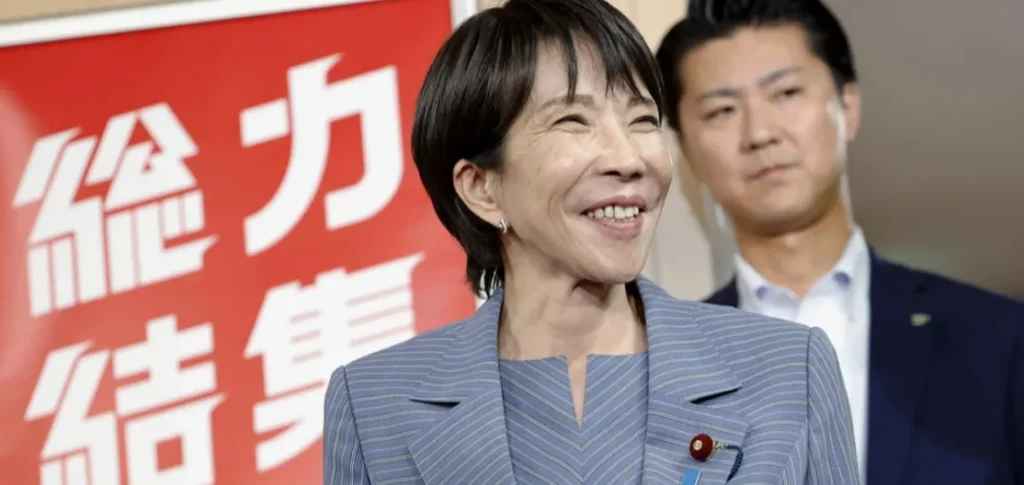
Japan’s political landscape is experiencing a significant shift as the Liberal Democratic Party (LDP) and the Japan Innovation Party (Nippon Ishin no Kai) forge a partnership focusing on energy reform, inflation control, and reducing import reliance. This collaboration emphasizes restarting nuclear reactors, investing in cutting-edge technologies, and providing transitional support to households and small businesses through specific budgetary measures. The Ministry of Economy, Trade and Industry (METI) and the Agency for Natural Resources and Energy (ANRE) are responsible for establishing the regulatory framework, with fiscal adjustments being coordinated with the Ministry of Finance (MOF). The initiative aims to decrease electricity costs and stabilize consumer bills while maintaining industrial priorities.
Fiscal Measures for Energy and Fuel
The government plans to rapidly eliminate the provisional gasoline surtax of ¥25.1/L, enhancing purchasing power and supporting road transport. This move is expected to increase demand, impacting logistics and private fleet usage. The profitability of domestic refiners will be influenced by international market conditions and exchange rates. Adjustments in regulated fuel tariffs might delay cost pass-through to consumers, potentially squeezing profit margins for downstream operators.
To alleviate winter energy costs, the government is reintroducing discounts on electricity and gas, backed by additional budget allocations. This initiative aims to reduce peak consumption constraints. Utilities will need to align budget compensation with contractual adjustments, affecting cash flow and short-term financing. ANRE will set the operational details, such as eligibility and compensation per unit of energy consumed, while closely monitoring the impact on households and small businesses. The duration of these measures is contingent upon the resurgence of non-fossil fuel capacity and the stabilization of import prices.
Advancing Nuclear Energy
Under the watchful eye of the Nuclear Regulation Authority (NRA), nuclear reactor restarts are contingent upon stringent safety standards and investments in site improvements. The government’s strategy aims to maximize the use of the current nuclear fleet and prepare for next-generation reactors, thereby reducing dependency on hydrocarbon imports. The nuclear fuel cycle, including upstream and reprocessing capacities, is designed to ensure long-term supply security. Challenges include review timelines, local acceptance, and supply chain readiness for scheduled outages and upgrades.
By increasing nuclear energy production to over 10% of the energy mix, Japan aims to mitigate import risks and decrease thermal plant costs. Energy operators, both independent and integrated, will adjust pricing and currency hedges to align with a more predictable cost environment. This approach seeks to reduce market volatility, except during extreme weather, and lessen exposure to maritime and logistical disruptions. Decisions on local restarts and potential legal challenges will influence the pace of nuclear energy reintegration.
Strategic Energy Sourcing and Compliance
Japan’s energy strategy includes securing liquefied natural gas (LNG) supplies from Sakhalin-2, which accounts for approximately 9–10% of imports. A price cap on Russian crude, set at $47.6 per barrel, requires stricter documentation from shipowners, insurers, and traders. Protection and Indemnity (P&I) clubs will demand detailed attestations, enhancing Know Your Customer (KYC) measures and cargo tracking. Compliance will extend to trade terms, price verification, and shipment destinations.
To diversify energy sources, Japan is turning to the United States, Australia, Qatar, and Mozambique, which reduces reliance on a single supplier but increases flexibility costs. Destination clauses and partial cancellation options will become pivotal in managing energy portfolios. Combined-cycle gas turbine (CCGT) plants will adjust their operations based on seasonal subsidies and the rate of nuclear restarts. Efficient terminal operations and coordination with power producers will be crucial in minimizing unit costs.
The electricity market is expected to experience reduced short-term fluctuations when budget compensations are in place. On the Japan Electric Power Exchange (JEPX), day-ahead prices might stabilize outside of peak periods, becoming more sensitive to weather patterns and nuclear energy availability. Over time, a lower marginal cost from nuclear restarts will lessen susceptibility to global fossil fuel price fluctuations. Foreign exchange (FX) hedging strategies will need reevaluation, particularly for companies with significant import requirements.
Following the tax relief, oil product volumes, especially gasoline and diesel, are anticipated to rise. Profit margins will be influenced by crack spreads and the yen’s value, with potential import arbitrage risks in gasoline and naphtha. While coal usage remains minimal as nuclear energy gains prominence, it will still be used during seasonal peaks. Gas decisions will be guided by the Japan Korea Marker (JKM) for spot pricing, and long-term contracts will be renegotiated for greater flexibility and compliance.
Original Story at energynews.pro