Financial Strain Threatens Future of IPCC Climate Reports
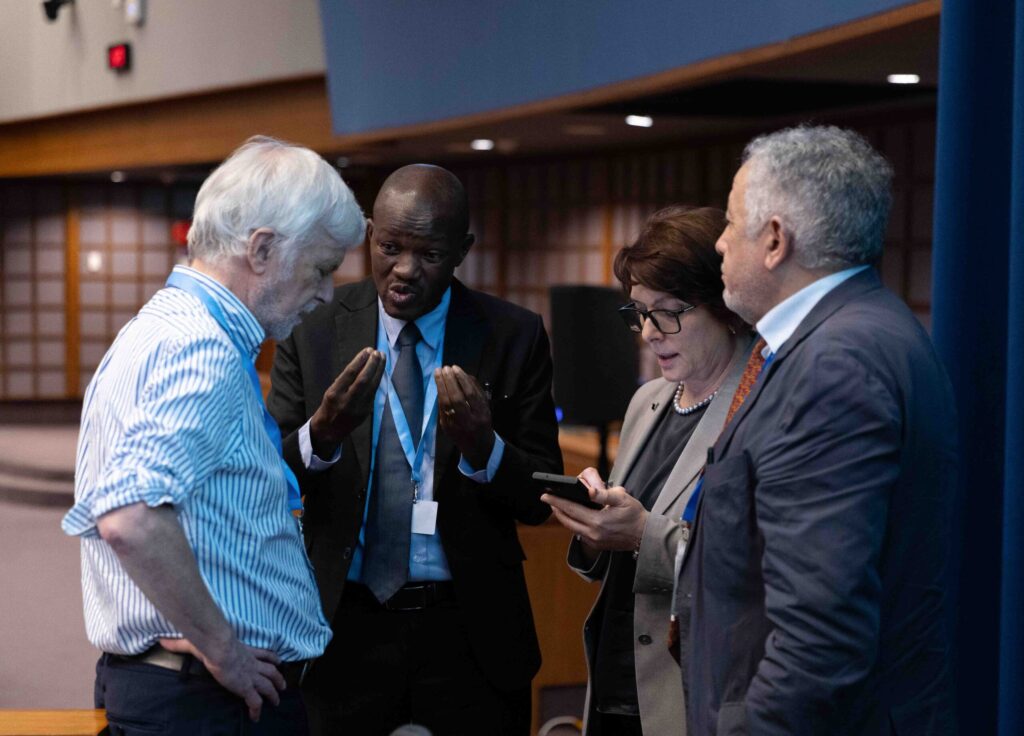
The Intergovernmental Panel on Climate Change (IPCC) is facing significant financial hurdles, potentially jeopardizing the completion of its upcoming climate reports. According to Jim Skea, chair of the IPCC, a boost in funding is crucial as governmental contributions have dwindled for 2024 and 2025. Without new funds or budget cuts, the organization may exhaust its resources by 2028, warned Skea during an IPCC meeting in Bangkok last week, as reported by the Earth Negotiations Bulletin (ENB).
The IPCC, responsible for a series of critical climate assessments, known as AR7, risks delaying these reports unless funding is secured. The organization is currently exploring cost-saving measures, such as virtual meetings and reducing travel and staffing expenses, in response to financial constraints, according to internal scenarios from the IPCC secretariat.
Concerns about the funding crisis have been echoed by various representatives. Manjeet Dhakal of Nepal expressed his worries to Climate Home News, while Japan labeled the situation as alarming. Although South Korea and Sweden have pledged increased support, the European Union has advised caution, indicating that previous contributors may not maintain their levels of funding.
Report Timelines in Dispute
Beyond financial issues, the timeline for the AR7 reports remains contentious. The reports, which focus on climate change adaptation, mitigation, and a special report on urban climate impacts, are caught in a debate over completion dates. Some nations advocate for a 2028 deadline to align with the UN’s global stocktake, while others prefer the traditional seven-year cycle, completing by 2030. This disagreement dominated discussions at the Bangkok meeting, which ended without a consensus or a plan for future agreement by October 2026.
Transparency issues also plagued the meeting, with delegates unable to approve summaries of past sessions due to disputes over naming speakers in reports. Additionally, there was division over the inclusion of a scientific conference on climate tipping points in discussions, with countries like Saudi Arabia and India opposing its mention.
Impact of Funding Reductions
The IPCC’s work is largely supported by voluntary government contributions, predominantly used to support scientists from developing regions. However, geopolitical tensions have strained finances, with notable reductions in U.S. funding. Financial documents reveal that under President Joe Biden, the U.S. contributed an average of $1.7 million annually, but this support ceased during President Donald Trump’s administration, with no funds provided in early 2025.
The organization spent beyond its means in 2024, leading to proposals for financial cutbacks, including ceasing travel to outreach events and freezing non-essential website updates. Richard Klein, a long-time IPCC contributor, remarked on the growing gap between the panel’s ambitions and its financial capabilities, stressing that it could place additional pressure on volunteer authors and reduce inclusivity for experts from developing nations.
Ongoing Disagreements
Since January 2024, IPCC delegates have been at odds over the AR7 report deadlines. Nations such as Saudi Arabia and India have resisted a 2028 completion date, arguing it may be too rushed. Despite not being on the formal agenda at the Bangkok session, the issue was added after pressure from several countries. However, the meeting concluded without a strategy for reaching an agreement by the next session in October.
Nepal’s Dhakal expressed concern over the lack of progress, emphasizing the importance of timely delivery for the second global stocktake. France’s Environment Ministry also voiced unease over potential delays in the reports’ publication schedule. Klein warned that ongoing delays could hinder the reports from informing the global stocktake as planned.
Transparency and Scientific Debates
Contention also arose over procedural matters, such as the approval of meeting summaries. ENB reported that countries like France, Germany, and Belgium advocated for transparency by naming speakers in reports, a move opposed by Saudi Arabia. The matter was postponed to the next meeting in October.
Additionally, Saudi Arabia and India objected to the discussion of a workshop on climate tipping points, citing the contentious nature of the topic within the IPCC. While journalist attendance is restricted at IPCC sessions, ENB staff are permitted to observe and report on proceedings.
Original Story at www.climatechangenews.com