Innovative ideas often spark debate, especially when they challenge the norm. A recent patent filing by Hyundai and Kia reveals a new approach to energy generation in vehicles, one that could redefine how cars harness the power of the wind. This concept, while reminiscent of popular online memes, has a scientific backing that may hold potential beyond mere speculation.
Harnessing Wind Power in Vehicles
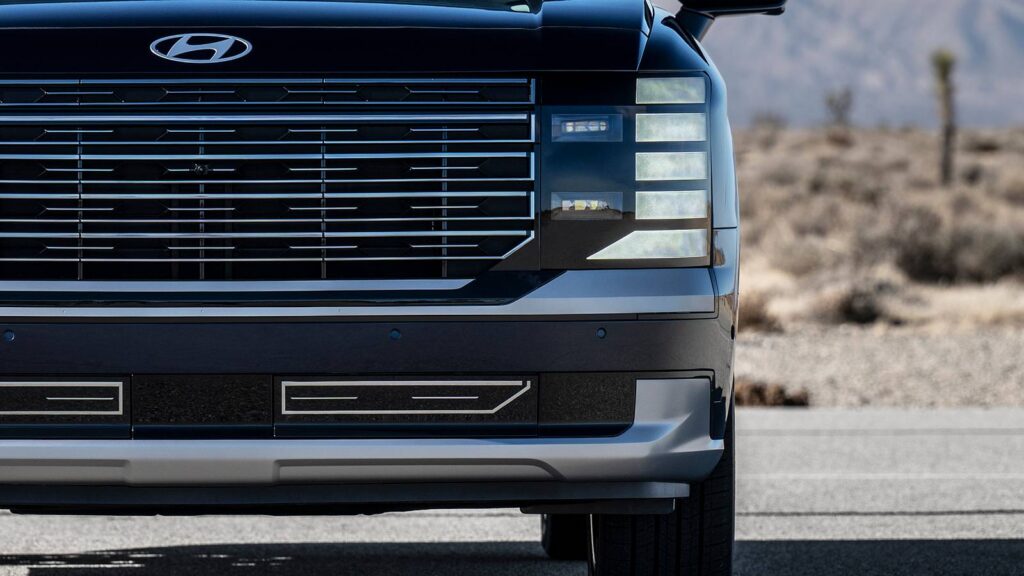
CarBuzz has discovered Hyundai and Kia’s patent for a vehicle wind power generation system. The system features a generator positioned behind a grille in the vehicle’s front bumper to capture energy from the wind. This design aims to utilize natural forces without defying physical laws, a concept distinct from perpetual motion fallacies.
Patent filings do not guarantee the use of such technology in future vehicles and are often used exclusively as a means of protecting intellectual property. Such a filing cannot be construed as confirmation of production intent.
Hyundai’s system integrates the generator behind adjustable flaps within the grille, situated in an air channel that directs airflow through the generator when open. This airflow then exits beneath or behind the vehicle, optimizing wind capture and conversion.
While generating electricity at high speeds in EVs typically proves inefficient due to energy conversion losses, Hyundai posits that lower speeds present a viable opportunity. At such speeds, energy demands shift from aerodynamic drag to tire rotation and vehicle weight, making energy capture more feasible.
Potential Beyond Electric Vehicles

This wind power system could supplement existing regenerative braking technologies, capturing energy when a vehicle coasts or brakes. It might even generate electricity while parked, depending on wind conditions. For hybrid vehicles, this system could further improve efficiency by operating the internal combustion engine at optimal conditions for fuel economy.
In gasoline-only vehicles, the system could replace traditional alternators, using wind energy to charge batteries and support 12-volt systems, reducing fuel consumption. Such innovation could transform how vehicles manage energy, offering benefits from reduced emissions to improved fuel efficiency.
The allure of this technology lies in its potential for increased efficiency, especially for gas-powered vehicles. As automakers strive to innovate within the realm of traditional engines, exploring novel ideas like this reflects a commitment to enhancing vehicle sustainability.
While the practical implementation and effectiveness of Hyundai’s wind energy system remain to be seen, the patent suggests a future where vehicles might harness natural forces more effectively, perhaps paving the way for new efficiencies in automotive design.
Source: US Patent & Trademark Office
Original Story at carbuzz.com