
Hyundai has made a significant mark in the automotive industry by dominating the SUV segment in the 2026 PARENTS Best Family Cars Awards. With a reputation for affordability, innovative electric vehicles, and improved reliability and quality, the South Korean manufacturer is hard to overlook. Yet, for those exploring options, viable alternatives do exist.
Hyundai secured awards in four distinct categories. The IONIQ 5 was named the “Best Electric 5-Passenger Vehicle,” while the IONIQ 9 took home the “Best 3-Row EV” title. The Palisade earned recognition as the “Best Mid-Size 3-Row SUV,” and its hybrid counterpart claimed the “Best Hybrid SUV” award.
While Hyundai’s success is notable, Kia, its sister brand, offers a more budget-friendly alternative. Known for sportier designs at a more affordable price point, Kia provides options like the EV6 as an alternative to the IONIQ 5 and the EV9 as a counterpart to the IONIQ 9. The Telluride, once a less refined version of the Palisade, is also evolving with its latest model. For this discussion, however, Kia comparisons are set aside.
The Hyundai Palisade is solid, but alternatives do exist
In the world of ICE and Hybrid SUVs, the Hyundai Palisade stands out with its practical design, luxurious interior, and distinctive retro-futuristic look. Despite its appeal, other options may better suit specific needs.
For those prioritizing practicality, the Honda Pilot might be preferable. Although its interior isn’t as refined, the Pilot offers significantly more cargo space—nearly 112 cubic feet compared to the Palisade’s 86.7 cubic feet—providing more comfort for back-row passengers. The Pilot also excels in off-road capabilities, with features like a 1-inch lift, torque-vectoring AWD, and protective steel skid plates, while the Palisade’s off-roading trim is largely aesthetic.
Regarding specifications, both vehicles offer similar power and fuel efficiency. While Honda holds a stronger reputation for reliability, Hyundai provides a 10-year/100,000-mile powertrain warranty to alleviate concerns.
In the “hybrid SUV” category, if size is negotiable, the Toyota RAV4 is a popular choice in the U.S. However, due to its high demand, availability can be an issue, prompting some to consider alternatives like the Mazda CX-50.
For those who prefer a larger hybrid, the Toyota Grand Highlander Hybrid may be more appealing than the Palisade. It provides more cargo space (97.5 cubic feet) and offers options for higher horsepower or better fuel efficiency than the Palisade. Additionally, the Grand Highlander is slightly more affordable.
While the regular Highlander could be considered, it is poised to transition to an all-electric lineup.
The EV battle against Hyundai is even closer
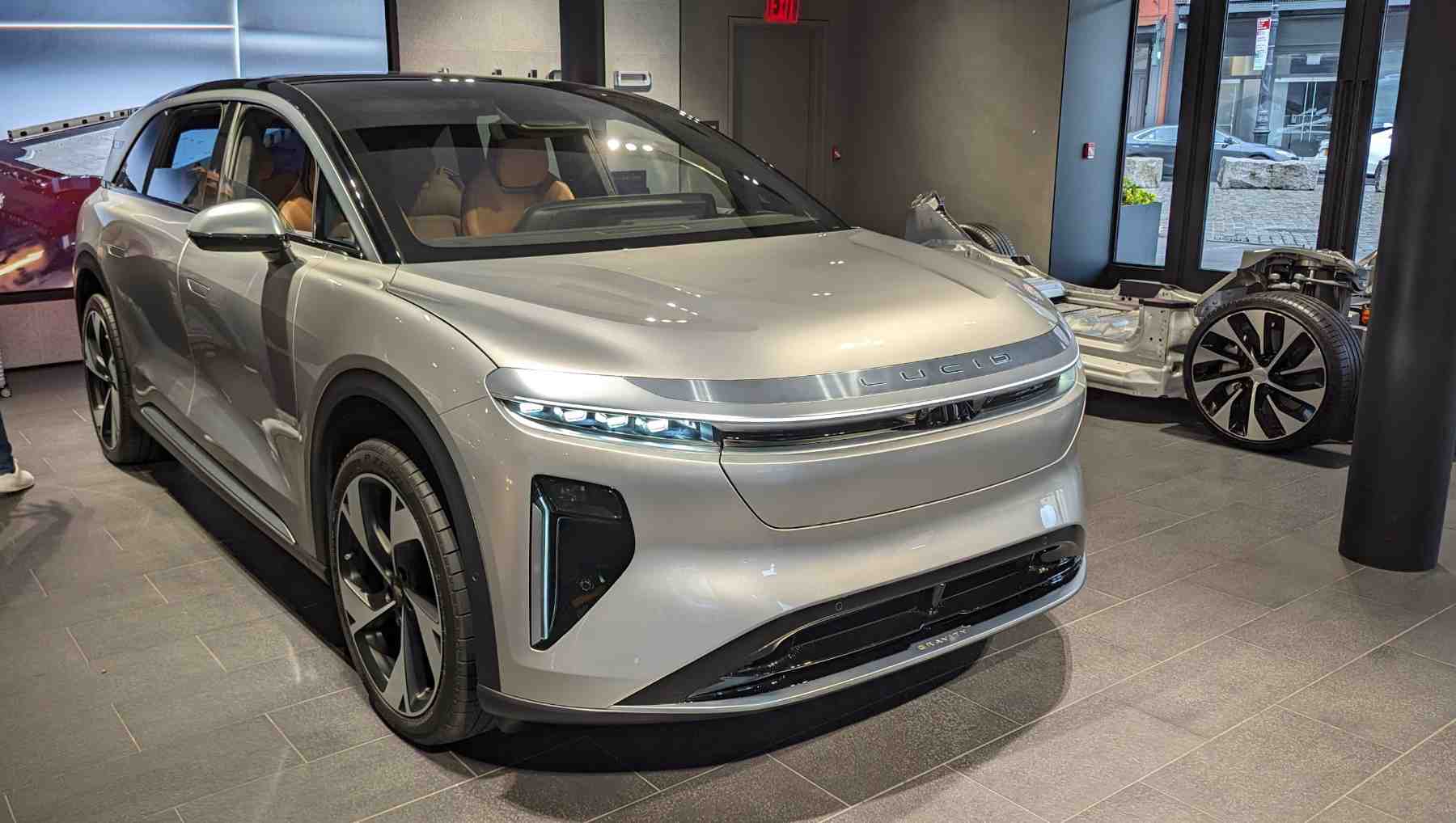
Hyundai’s electric vehicles are impressive, but finding competitors for the IONIQ 6 and IONIQ 9 is challenging yet possible.
The Tesla Model Y is a notable competitor to the IONIQ 5. Its recent Juniper refresh introduced features like ventilated seats and improved ride quality. The Model Y also offers a longer range (over 350 miles for certain trims) and access to Tesla’s extensive supercharging network. Additionally, Tesla’s advanced self-driving system, while an added cost, surpasses Hyundai’s technology.
For those not inclined towards Tesla, the Chevrolet Blazer EV provides an option with up to 324 miles of range, ample interior space, and GM’s remarkable SuperCruise Level 2 self-driving system.
Competing with the IONIQ 9 is challenging due to its extensive driving range, rapid charging capabilities, and competitive pricing. The Rivian R1S, Cadillac Vistiq, Volvo EX90, and Lucid Gravity exceed Hyundai’s offerings in some areas but come at a higher price. Meanwhile, the Mercedes Benz EQB and Volkswagen I.D. Buzz are either significantly smaller or offer less range.
In terms of size and price, the EV9 is Hyundai’s closest competitor. Until Chinese EVs enter the market, Hyundai holds a strong position in this segment.
Original Story at www.autonocion.com