China’s automotive landscape has been reshaped by regulatory shifts that have elevated the status of extended-range electric vehicles (EREVs). In contrast to the earlier plug-in hybrids, which merely tacked on a small electric motor to conventional engines, EREVs are gaining traction due to their ability to travel significant distances on battery power alone. This new category of vehicle has emerged as a pivotal player in the market, especially after Chinese regulators mandated that only plug-in hybrids with a minimum battery-only range of 100 km would qualify for “new energy vehicle” incentives.
This decision effectively phased out older models with limited electric-only capabilities, reminiscent of the first-generation Audi plug-in hybrids that offered a mere 8 miles of range. Today’s EREVs, like those from BYD, can achieve a staggering 1,300 km by combining electric and gasoline power, with the gasoline engine solely charging the battery rather than directly powering the wheels.
Hyundai’s Strategic Entry into the EREV Market
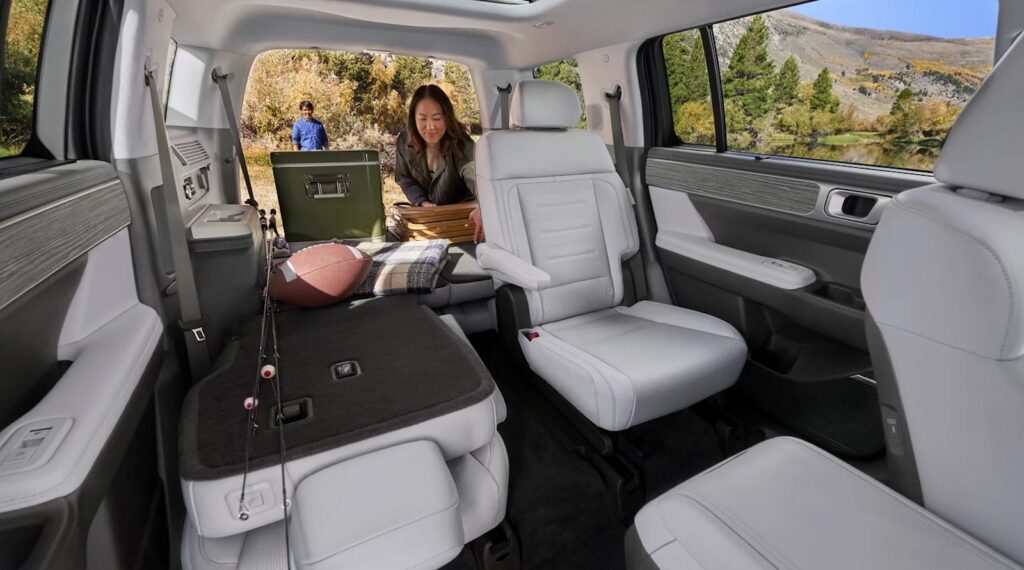
Hyundai has announced plans to introduce EREVs to the American market, signaling its commitment with the launch of the three-row Santa Fe. As reported by Car and Driver, this model will feature dual electric motors providing all-wheel drive and a combined range exceeding 600 miles, potentially easing the range anxiety that deters some consumers from transitioning to electric vehicles.
In addition to the Santa Fe, Hyundai’s luxury brand Genesis is set to adopt this technology, initially with the GV70, and shortly after with a GV80 Hybrid. While specifics on whether the Santa Fe and GV70 will share the same powertrain remain unconfirmed, the Genesis variant promises slightly greater range. Production of the Santa Fe EREV will take place in Alabama, while the GV70 continues to be manufactured in South Korea.
Hyundai’s ambitions extend beyond EREVs, with a pledge to roll out 10 new conventional hybrid models by 2030, which are expected to constitute half of its sales in the U.S. market. The company also plans to ramp up production capacities in North America, projecting an increase of 500,000 units by 2030.
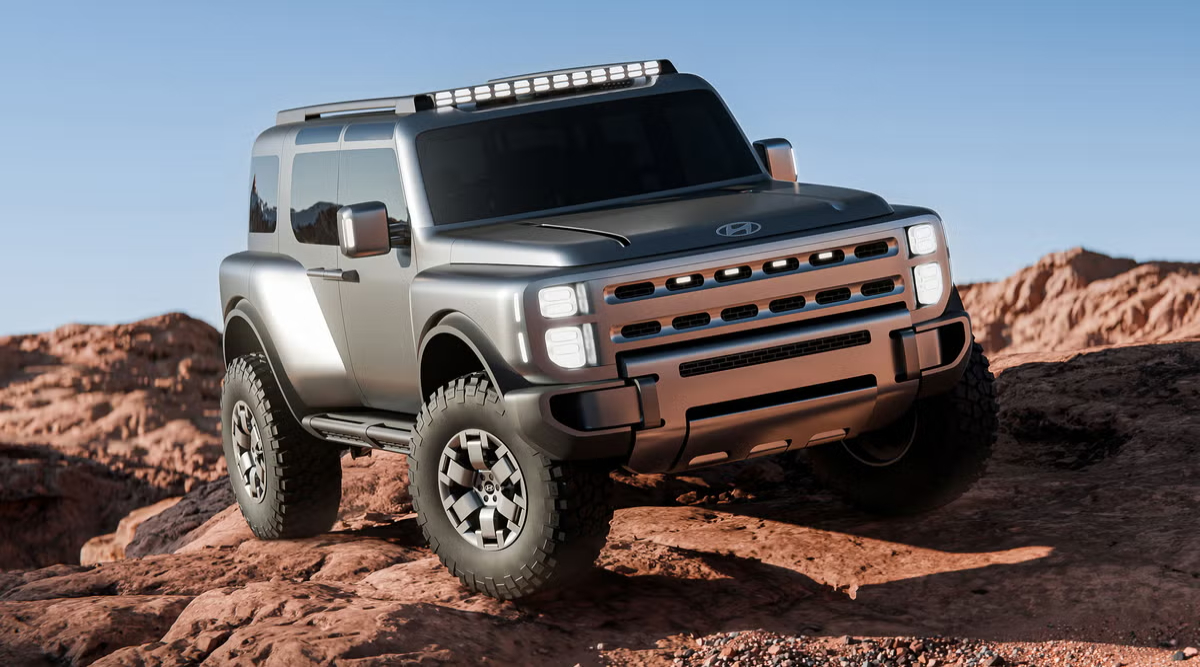
Furthermore, Hyundai is exploring new vehicle segments, such as pickup trucks and SUVs, with concepts like the Boulder, revealed at the New York Auto Show. The success of the Ford Bronco has spurred interest from other automakers, including Hyundai, in tapping into the lucrative off-road and adventure vehicle niche.
Broader Industry Movements Toward EREVs
The momentum for EREVs isn’t limited to Hyundai. Stellantis is poised to launch its EREV technology in the Jeep Grand Wagoneer, followed by the Ram 1500 REV truck. Meanwhile, Ford is reportedly developing an EREV truck as a successor to the discontinued F-150 Lightning. Volkswagen’s new Scout division is also considering EREV solutions for its upcoming Traveler SUV and Terra pickup, with pre-orders indicating a strong interest in plug-in capabilities.
The question remains whether EREVs can finally alleviate range anxiety for consumers. While many still find comfort in the familiar presence of gas stations, the efficiency and cost benefits of electric vehicles are undeniable. For instance, a study showed that fueling a Hyundai Santa Fe Hybrid costs significantly more than powering a Hyundai Ioniq 5, emphasizing the potential savings for those willing to embrace electric technology.
Original Story at cleantechnica.com