Honda’s Strategic Shift to Vietnam: A New Chapter in Electric Mobility
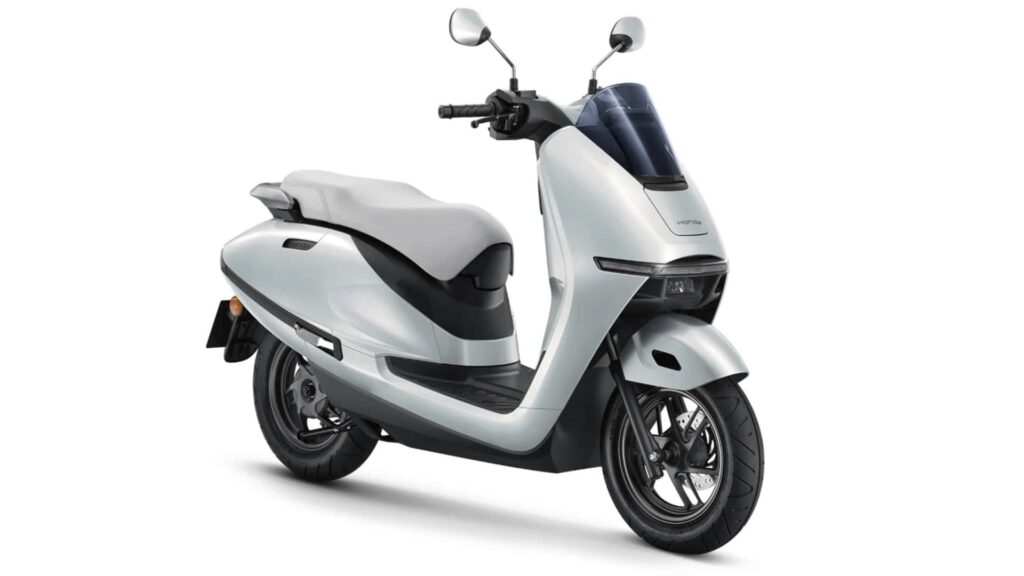
Honda is making headlines with its decision to relocate the production of its UC3 electric scooter from Thailand to Vietnam, specifically to its factory in Phu Tho province. This move, expected to commence by September, could be more than just a change of manufacturing location. It signals Honda’s potential exploration of a broader strategy in electric mobility, reminiscent of its historic Super Cub approach.
While the UC3 itself might not be the next Super Cub, it acts as a pioneer, assessing infrastructural and consumer dynamics. The scooter, launched in Thailand and Vietnam, is equipped with a fixed lithium iron phosphate battery, a six-kilowatt motor, and offers a range of approximately 76 miles. Comparable to a 110cc gasoline scooter, the UC3 is designed for urban commutes, not leisurely rides.
Photo by: Honda
The real focus lies on what Honda plans next. According to Honda Vietnam, the company aims to price its upcoming electric models competitively, around the popular price point of 30 million dong ($1,140). This strategy aligns with Honda’s legacy of offering affordable, robust vehicles that are accessible to the masses, a formula that led to the success of the Super Cub.
This approach proved successful as Honda developed a flexible transport platform with the Super Cub, easily adaptable to various markets. The bike’s success stemmed from its simplicity and ease of use, requiring minimal explanation and maintenance.
Vietnam presents an ideal environment for Honda to replicate this strategy with electric vehicles. The country boasts a large motorcycle market with dense urban areas, increasing fuel costs, and a burgeoning domestic EV industry. For instance, VinFast reported the delivery of over 406,453 electric scooters and e-bikes in 2025, demonstrating a high demand for such vehicles.
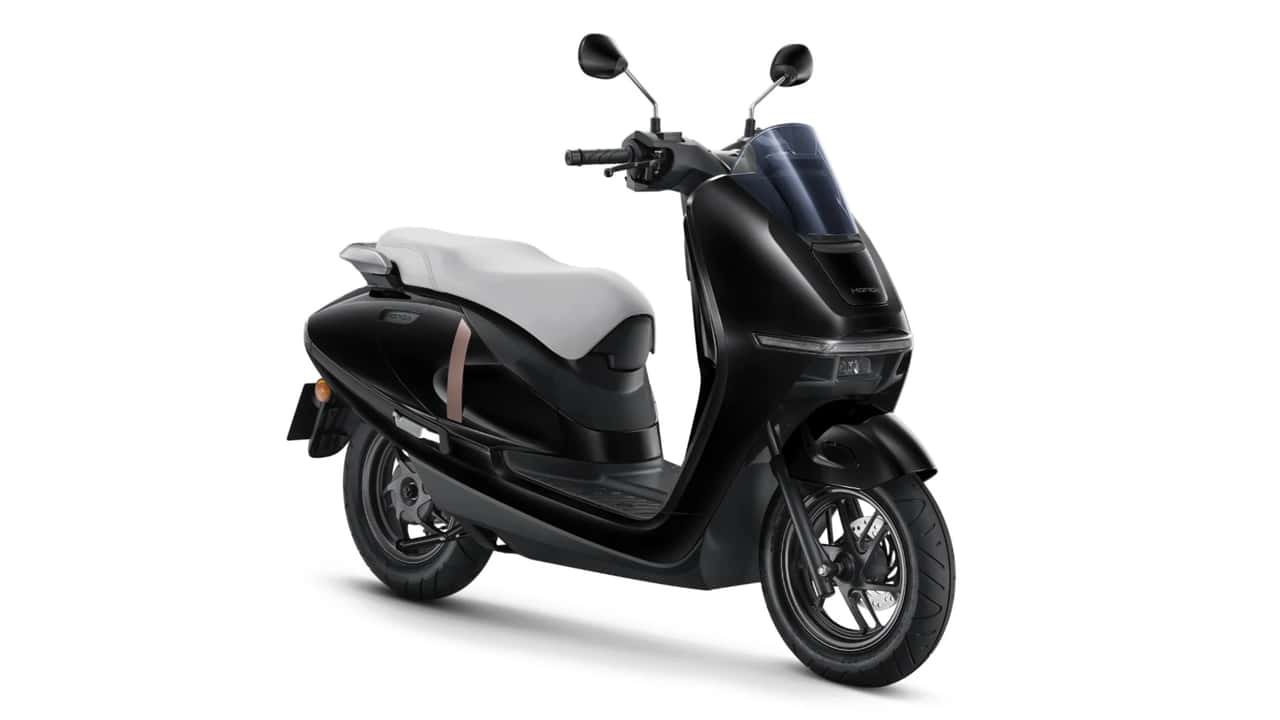
Photo by: Honda
Manufacturing the UC3 in Vietnam offers Honda the chance to streamline its supply chain, source components locally, and respond swiftly to market demands. This model can be replicated in other regions like India, Indonesia, and parts of Latin America and Africa, where affordable urban transport is crucial.
Honda has set ambitious goals, intending to introduce around 30 electric motorcycle models worldwide and achieve sales of four million electric two-wheelers annually by 2030. The focus will initially be on India and Southeast Asia, where electric motorcycles could thrive due to smaller battery requirements and shorter daily travel distances.
However, challenges remain, such as inconsistent charging infrastructure across countries and the lack of private parking for many riders. Honda currently supports the UC3 with CHAdeMO-based charging while exploring swappable battery options, indicating its search for a versatile solution.
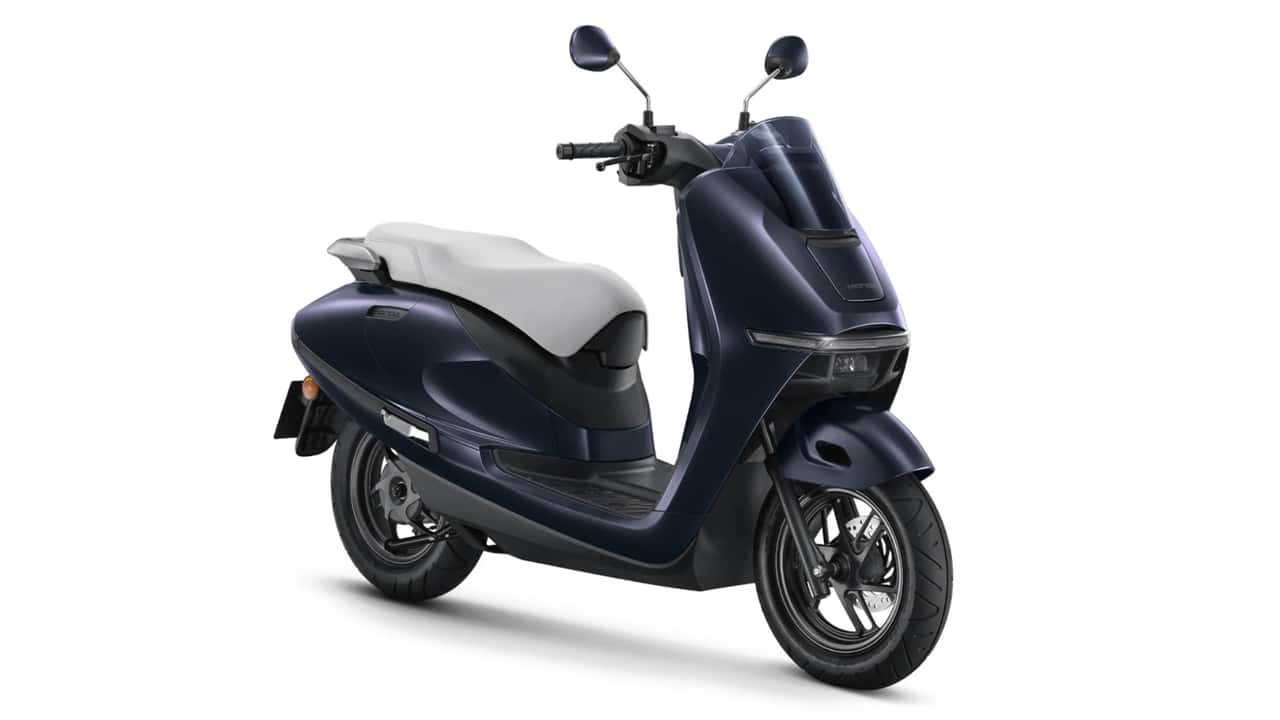
Photo by: Honda
The UC3 may not achieve global recognition like the Super Cub, but its role could be pivotal in shaping Honda’s electric future. By producing an affordable electric scooter locally and leveraging existing dealer networks, Honda could replicate its past success in the electric vehicle era.
Original Story at www.rideapart.com