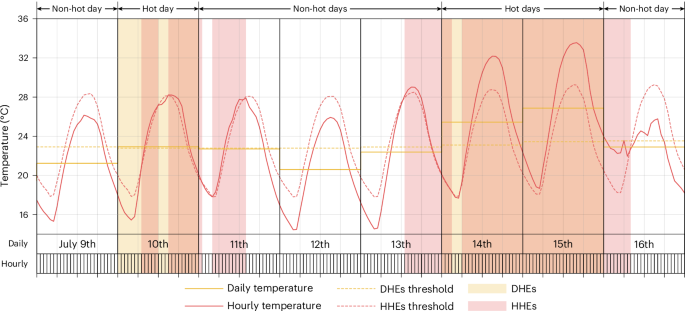
The rising frequency and intensity of heatwaves across the globe are becoming an undeniable reality, impacting not only the environment but also public health and safety. A growing body of research highlights how these climatic events are not just short-term anomalies but part of a longer-term shift in weather patterns.
Escalating Heatwave Conditions
Researchers have been observing a marked increase in the frequency, intensity, and duration of heatwaves worldwide. According to a study published in Geophysical Research Letters, heatwaves are becoming more frequent and severe (Perkins et al., 2012). This trend is supported by findings from the Intergovernmental Panel on Climate Change (IPCC) 2021 report, which underscores the physical science basis of climate change contributing to these extreme weather events.
In addition, research published in Science suggests that the 21st century is experiencing heatwaves that are more intense, frequent, and prolonged (Meehl & Tebaldi, 2004). These conditions pose a significant threat to public health, as highlighted by Lancet, where the health risks associated with heat extremes are explored in detail (Ebi et al., 2021).
Public Health Implications
The health impacts of heatwaves are particularly severe for vulnerable populations. A study in Nature Medicine focuses on the risk factors associated with heatwave-induced mortality among Chinese adults over 65, suggesting that older populations are disproportionately affected (Xi et al., 2024). Similarly, the risks are not confined to older demographics alone, as research indicates that heatwaves are a concern across various regions, including Canada, as detailed in Natural Hazards (Smoyer-Tomic et al., 2003).
Anthropogenic Influences and Predictions
The role of human activity in exacerbating these climatic changes is highlighted in research published in Science Advances, which links anthropogenic factors to the increased risk of more extensive and slower-moving heatwaves (Luo et al., 2024). This is further corroborated by predictions and projections of heatwaves discussed in Nature Reviews Earth & Environment (Domeisen et al., 2022), which forecast a continuing trend of rising temperatures and more extreme weather patterns.
Overall, these studies underscore the urgent need for effective mitigation strategies and adaptive measures to address the multifaceted challenges posed by global warming and its impact on heatwave occurrences. As these climatic shifts continue, understanding and responding to their implications will be crucial for safeguarding public health and resilience against future climate extremes.
Original Story at www.nature.com