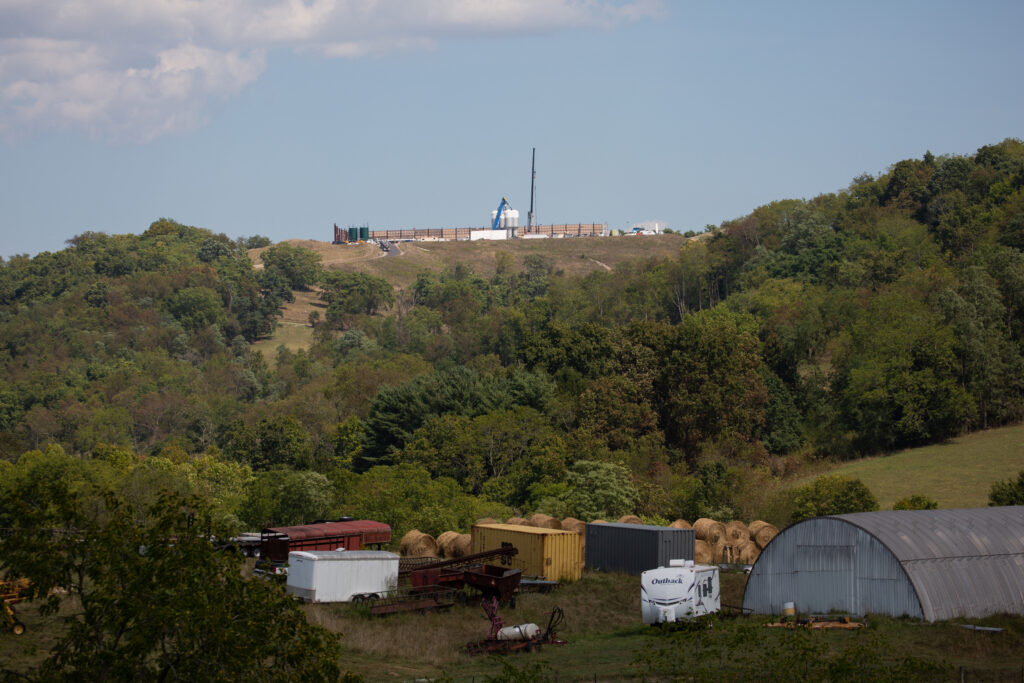
Environmental groups and citizens are urging Pennsylvania regulators to expand the buffer zones between gas wells and residences, schools, and water sources. This demand has gained urgency due to the increased need for natural gas from AI data center projects.
On Wednesday, a coalition of environmental and community groups gathered at the state capitol to highlight their concerns. They have awaited action for two years from the Department of Environmental Protection on a petition filed in 2024, requesting increased minimum setback requirements.
Katie Weber of Hanover Township, Washington County, visited Harrisburg due to concerns over plans to build a large cluster of data centers powered by an on-site natural gas plant near her home.
“We are united and our message is clear,” Weber stated. “We do not want data centers or fracking near our homes, schools, or daycares.” The previous day, activists advocated for a three-year moratorium on data centers at another rally.
Gov. Josh Shapiro, initially a supporter of AI expansion in Pennsylvania, revised his stance earlier this year in response to public opposition. He has issued executive orders to limit data centers by requiring them to “build, bring online, or buy incremental electric capacity” to power their facilities, aiming to shift the cost burden from Pennsylvania ratepayers to data center developers.
More Data Centers, More Natural Gas
Environmental advocates, such as Lisa Graves-Marcucci from the Environmental Integrity Project, fear Shapiro’s actions might lead to increased reliance on natural gas, resulting in more pollution and adverse health effects from increased shale gas production.
“We’ve realized now that fracking will fuel the data centers,” Graves-Marcucci noted. “Communities with existing fracking may see an increase, or new areas might be affected. This underscores the necessity for protective setback distances.”
Environmental groups cite peer-reviewed research suggesting that increased space could mitigate potential health risks such as chronic stress, noise, and air pollution.
The coalition filed a petition for rulemaking with the Department of Environmental Protection’s Environmental Quality Board to consider expanding setback requirements. Current laws allow gas wells to be 500 feet from a residence.
“We seek a protective setback of one kilometer, over 3,000 feet,” said Gillian Graber, executive director of Protect PT. “The current 500-foot setback is outdated.”
The petition also advocates for greater distances between gas wells and buildings serving vulnerable populations. David Hess, a former Department of Environmental Protection secretary, supports reevaluating setbacks.
“Pennsylvania has over 20 years of shale gas drilling, and ignoring setbacks would be negligent,” Hess commented. “If anyone thinks 500 feet is adequate, they are misunderstanding the issues.”
In 2018, Colorado increased oil and gas well setback requirements to 1,000 feet from schools. A 2020 grand jury report recommended 2,500-foot setbacks for buildings and 5,000 feet for schools and hospitals.
DEP spokesman Neil Shader stated that the agency is reviewing the petition.
“DEP reviews all petitions thoroughly, including scientific studies submitted with them, before proposing recommendations to the EQB,” Shader stated. “This petition includes several studies, which DEP personnel, including a toxicologist, are reviewing.”
The Marcellus Shale Coalition, a natural gas industry group, claims the DEP lacks authority to amend setback requirements without legislative approval, as these are outlined in state law.
Patrick Henderson from the Marcellus Shale Coalition, formerly serving under Gov. Tom Corbett, was involved in updating state oil and gas laws in 2012.
“The process initiated by Governor Corbett involved input from environmental, industry, and local government stakeholders,” Henderson said. “Setback requirements were derived from this input.”
Lisa Graves-Marcucci of the Environmental Integrity Project expressed hope that DEP will respond to their petition by year-end.
“No draft rule exists yet,” she noted. “We await confirmation that the petition was reviewed and merits the full rulemaking process.”
Original Story at insideclimatenews.org