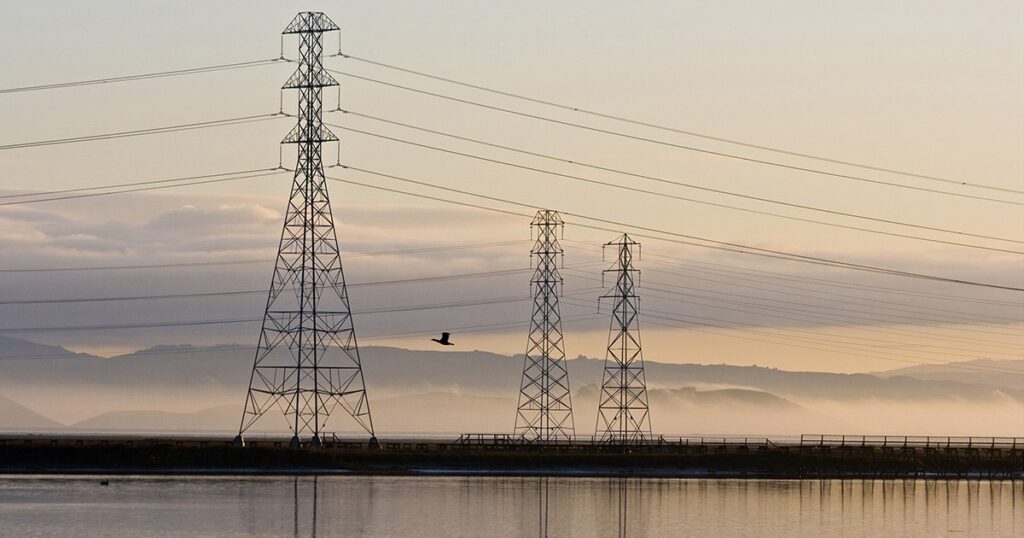
The Intermountain West is poised for a transformative change in its energy landscape following the signing of a landmark Joint Statement of Agreement at the Western Governors’ Association (WGA) Annual Meeting on June 30th. This bipartisan initiative signifies a crucial advancement in the coordination of transmission planning, aiming to ensure the delivery of affordable and reliable power while facilitating a smoother transition to clean energy sources.
Audubon, alongside its partners, played a pivotal role in shaping the agreement, leveraging science-based collaboration to garner support across the region. As outlined in Audubon’s Birds and Transmission report, climate change poses a significant threat to avian species, necessitating a rethinking of electricity generation and transportation to stabilize the climate. Proactive collaboration is essential to planning infrastructure that minimizes environmental impacts on birds and communities.
Despite electricity flowing across western states daily, the current state-by-state and agency-by-agency approach to transmission planning often leads to inefficiencies and lost opportunities for harnessing renewable energy. The Joint Statement of Agreement aims to address this by fostering regional cooperation across states such as Utah, Colorado, Wyoming, and more, marking a significant move towards collective planning and development.
Through this Agreement, governors from 11 western states have pledged their support for the Western Transmission Expansion Coalition’s (WestTEC) technical analyses. These analyses provide a common framework for identifying future transmission needs, enabling a more reliable and cost-effective regional grid over the next 10 to 20 years. WestTEC’s membership encompasses a diverse range of stakeholders, including state and Tribal governments, utilities, and planning bodies.
Additionally, the Agreement has led to the creation of the Permitting Alignment & Coordination Task Force (PACT), designed to streamline the permitting process for transmission projects across multiple states. This multi-state initiative aims to enhance coordination among states and agencies, leading to more efficient permit approvals and improved environmental and community outcomes.
As electricity demand continues to surge, the need to expand and modernize the transmission grid becomes increasingly urgent. Current studies by the U.S. Department of Energy highlight the inadequacies of the existing grid in meeting growing demand while keeping energy costs manageable. A robust and interconnected transmission system not only boosts reliability but also provides consumers with access to a diverse mix of energy resources, helping to stabilize electricity costs and enhance resilience against extreme weather events.
The Agreement exemplifies the potential of collaborative efforts among states, conservation groups, utilities, and developers in achieving mutual energy and environmental goals. As the U.S. progresses in its efforts to modernize the electric grid, regional cooperation will be key in ensuring that new transmission projects deliver clean energy while also safeguarding wildlife and communities. Audubon is committed to continuing its work with partners to mitigate impacts on birds and their habitats as part of building a sustainable energy future.
Original Story at www.audubon.org